Table of Contents
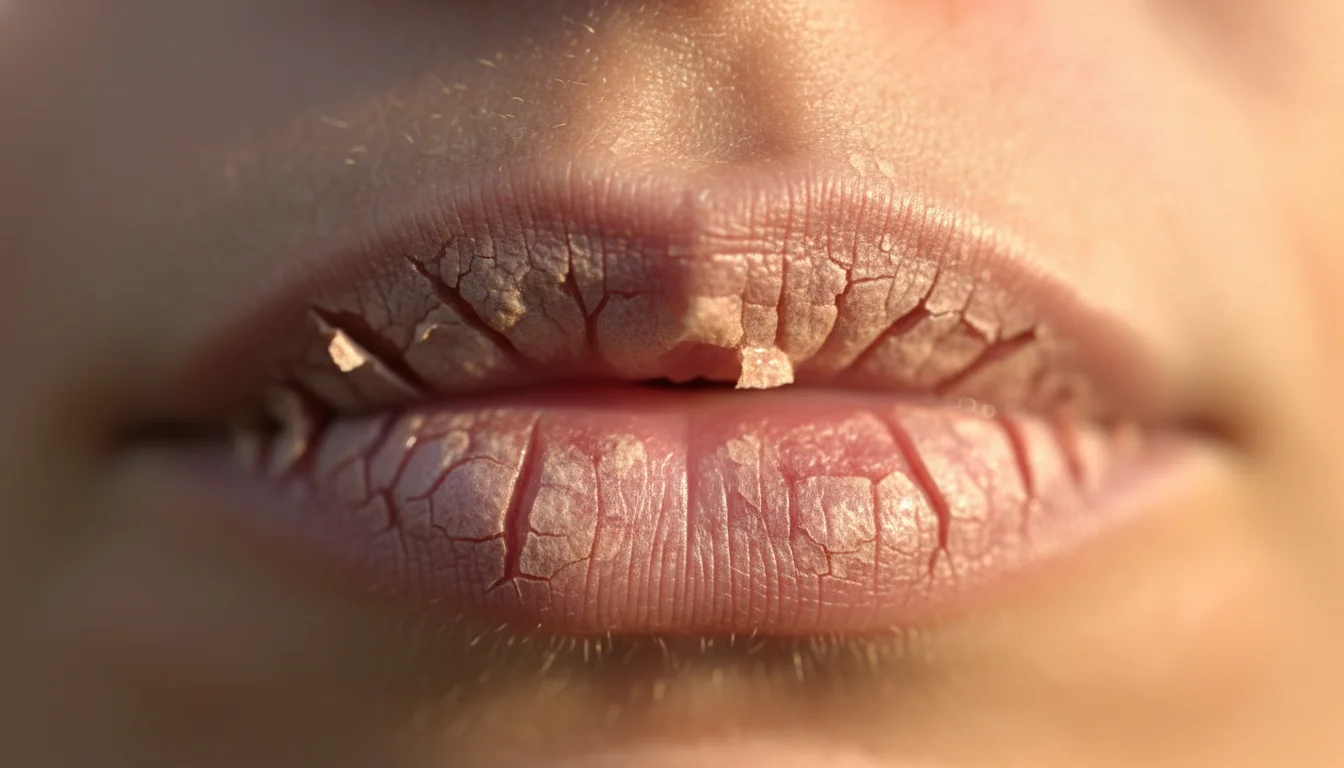
Chapped lips hurt. They bleed. They crack when you smile and sting when you eat anything acidic – and they don’t fix themselves because your lips have no oil glands. You have to do it for them.
Consistent treatment clears most cases, but consistent means weeks, not days. Both the Cleveland Clinic and AAD put full healing at 2-3 weeks. If you expect overnight results, you’ll quit before it works.
What Causes Chapped Lips
Mostly environmental: cold air, wind, dry indoor heating, sun exposure. But also behavioral: licking your lips is the big one (saliva evaporates and dries them out further), breathing through your mouth, and not drinking enough water. Some medications – retinoids especially – dry lips as a side effect. If yours are chronically wrecked and nothing helps, it’s worth asking your doctor whether something you’re taking is the cause.
1. How to Get Rid of Chapped Lips Using Lip Balm
The brand doesn’t matter. The ingredients do.
Skip: menthol, camphor, phenol, eucalyptus, peppermint, cinnamon, salicylic acid, oxybenzone. These either irritate or create a "cooling" sensation while drying you out. Also lanolin – it’s a common allergen that worsens chapping despite appearing on many "good ingredients" lists.
Look for: castor seed oil, ceramides, dimethicone, hemp seed oil, mineral oil, petrolatum, petroleum jelly, shea butter.
One more thing: if your lip balm stings or tingles, that’s not it "working." That’s irritation. Stop using it.
For mild dryness, any fragrance-free balm with those ingredients will do. For severe cracking, switch to a thick ointment – white petroleum jelly, plain Vaseline – applied at night. Ointments seal in moisture longer than wax-based balms, and for badly cracked lips, that matters.
Apply several times a day, before bed, and after eating or drinking. If you’re outside, SPF 30+ reapplied every 2 hours.
2. Exfoliate Every Night
That layer of dead skin on chapped lips blocks the balm from reaching the skin underneath. You need to clear it, but gently – lip skin is much thinner than face skin.
DIY scrub: mix a pinch of sugar with a little honey or aloe vera. Scrub for 30 seconds, rinse, then apply balm immediately while your lips are still slightly damp. Every other night while your lips are actively healing. Daily once they’re mostly recovered.
The store-bought chemical exfoliants (AHAs, BHAs) are too harsh for this. Don’t use them on lips.
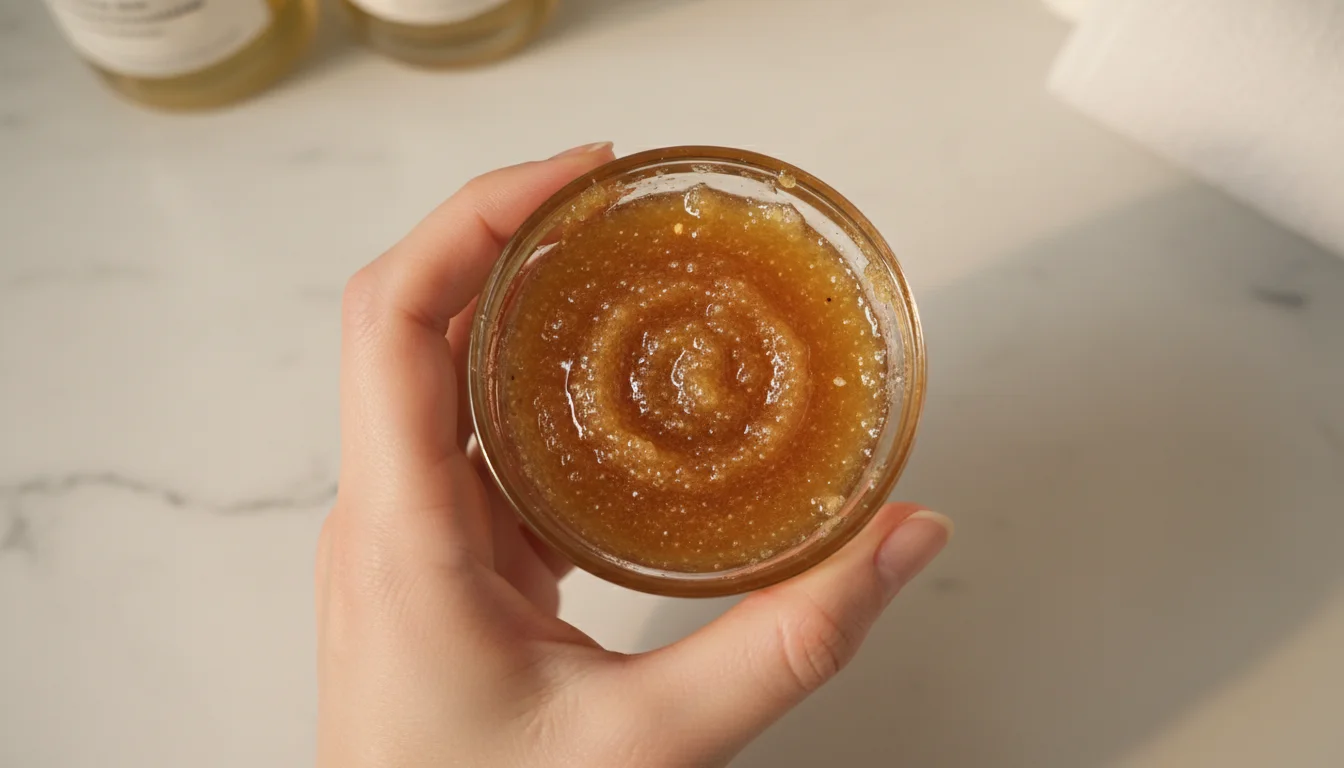
3. Incorporate Natural Remedies Into Your Routine
A few of these are genuinely useful:
Honey – Antibacterial and moisturizing. Apply a thin layer, leave it for 20 minutes, rinse. Every other day works well.
Coconut oil – An emollient: it softens and smooths. Good as an overnight layer or between balm applications.
Aloe vera – Anti-inflammatory and soothing. Particularly good for lips that are irritated and raw, not just dry.
Green tea – The damp leaves from a used tea bag make a gentle exfoliating pad. The tannins have mild anti-inflammatory effects.
None of these fix anything overnight, but they’re all safe and they work over time.
4. Stay Hydrated

Dehydration shows up on your lips before most other places. When your body is short on water, it pulls moisture from the extremities first – lips included.
Don’t wait until you’re thirsty – by then you’re already behind. Aim for 8 glasses throughout the day, spread out. Herbal teas count; coffee and alcohol don’t.
5. Use a Humidifier
Indoor air in winter – or any air-conditioned room – can drop below 30% humidity. That’s dry enough to pull moisture directly from your lips as you breathe. A humidifier in your bedroom makes a real difference because that’s where you spend 7-8 hours a night. Target 40-50% relative humidity.
6. Get Rid of the Cigs
Tobacco smoke is a direct irritant to the sensitive skin on your lips. If you smoke and have chronic chapped lips, the two things are connected. Most smokers who quit see improvement in lip condition within days.
7. Try Over-the-Counter Treatments for Persistent Cases
If your lips aren’t improving after 2-3 weeks of consistent care, or if the cracking is concentrated specifically at the corners of your mouth, you may have angular cheilitis – a fungal infection that needs targeted treatment, not just balm.
For the fungal version (most common): clotrimazole cream, available over the counter. For bacterial: bacitracin ointment. Keep moisturizing alongside the treatment; the infection thrives in dry, cracked skin.
If nothing works after 3 weeks, see a dermatologist. Persistent chapped lips can signal an allergy, a vitamin deficiency, or in rare cases something more serious like actinic cheilitis. Don’t just keep applying Chapstick and hoping.
FAQs
Is Vaseline good for chapped lips?
Yes. Petroleum jelly (what Vaseline is) is one of the better options for severely chapped lips – it’s an occlusive that locks in whatever moisture is already there. It works best over a humectant like honey or aloe, or when lips still have some moisture. Applying it to completely dry lips just seals in the dryness.
Why are my lips always chapped?
The usual suspects: licking your lips constantly, not drinking enough water, using a scented or flavored balm that’s actually irritating you, sleeping in very dry air without a humidifier, smoking, or mouth-breathing. If you’ve ruled all of those out, it could be a medication side effect or a contact allergy to something in your lip products. A dermatologist can patch-test for the latter.
How do I heal chapped lips overnight?
Before bed: exfoliate gently with a sugar-honey scrub, apply a thin layer of honey and leave for 20 minutes, rinse, then coat with a thick layer of plain petroleum jelly. That’s the best you can do in one session. You won’t be healed by morning, but you’ll be noticeably better. Keep it up for a week.