Table of Contents
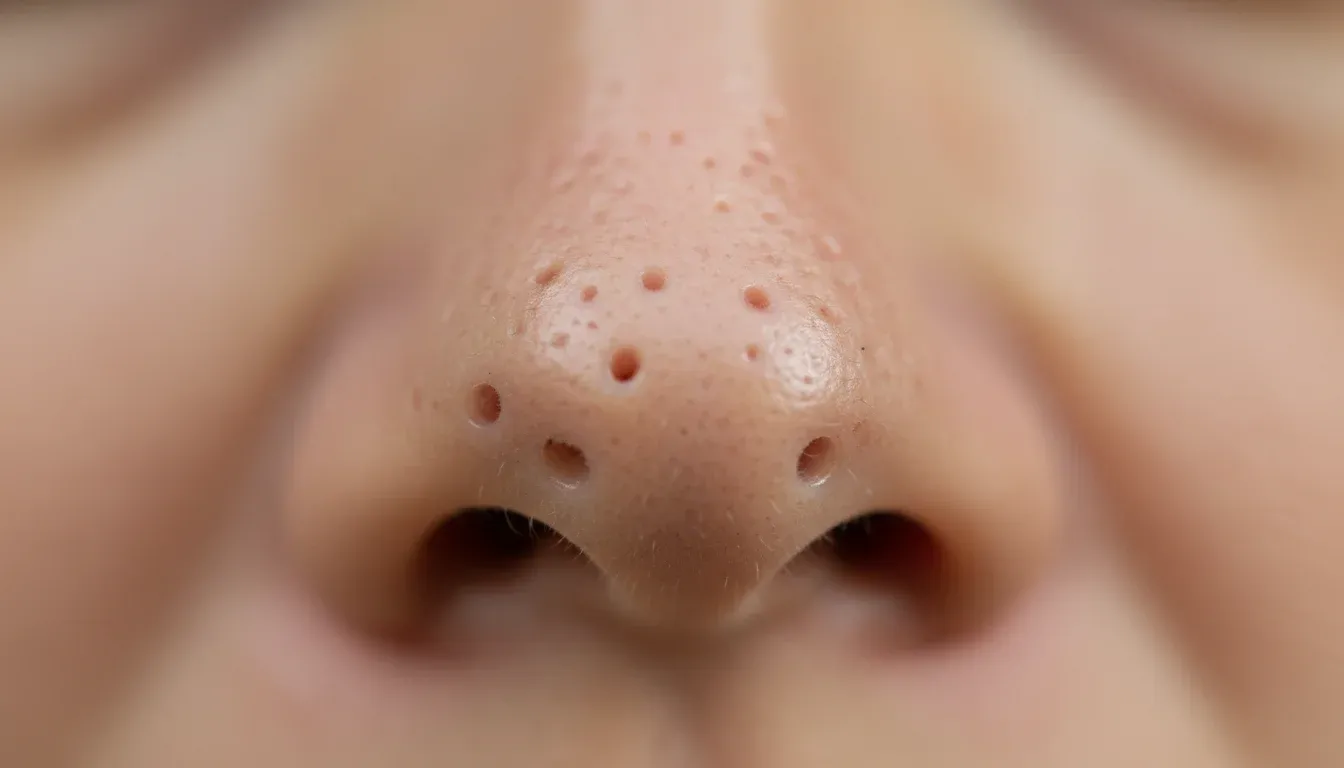
Pores don’t open and close. They’re not doors. They’re just follicle openings that look bigger when they’re clogged with sebum, debris, or dead skin, and they look bigger on oily or sun-damaged skin because the surrounding tissue has lost some of its elasticity. You can’t surgically shrink them from home. But you can keep them consistently clear, you can improve the skin texture around them, and with the right approach, they become nearly invisible. That’s the realistic goal.
Genetics determines your baseline pore size. You can’t change that. What you can change is how they appear day-to-day, and that’s a function of your skincare habits, what products you’re using, and – if you want to go further – what treatments you pursue.
Daily Skincare Routine
This is the foundation and it’s not complicated. Gentle face washing twice a day keeps pores from congesting in the first place. The word "gentle" matters: harsh scrubs and stripping cleansers damage the skin barrier, which triggers more sebum production, which makes pores look worse. Use a mild, low-pH cleanser and resist the urge to scrub.
Oil-free and non-comedogenic products are non-negotiable if you’re prone to congestion. Any moisturizer, sunscreen, or makeup that clogs pores undoes everything else you’re doing. Check labels.
Broad-spectrum SPF daily is probably the most overlooked thing in pore management. UV damage breaks down collagen, which causes the skin around pores to lose firmness – making them look larger. Consistent sun protection keeps that degradation from happening. Use at least SPF 30, every day.
Witch hazel toner can help after cleansing. It removes residual oil and tightens the appearance of pores temporarily. Useful. Don’t expect permanent results, and skip it if your skin runs dry – it can be slightly drying.
At-Home Treatments
Clay masks are the best at-home treatment for visibly congested pores. Kaolin and bentonite clay absorb excess sebum and draw out the stuff clogging the follicle. Use once or twice a week. More than that and you’re overdoing it.
Ice cube treatment is genuinely effective for a quick tightening effect – the cold constricts the skin and makes pores look smaller for a few hours. Wrap a cube in a cloth and hold it against your face for 30-60 seconds. Good pre-event trick, not a long-term fix.
Niacinamide is the ingredient that actually delivers on long-term pore size improvement. At 5-10% concentration it reduces sebum production, improves skin texture, and strengthens the barrier. Apply a serum daily – it stacks well with almost everything else in your routine.
Retinol at night is the slower, more powerful version of the same idea. It speeds up cell turnover, clears congestion, and over months of consistent use, genuinely improves the appearance of pores. Start at a low concentration (0.025-0.1%) a few nights a week and build up. Expect some initial dryness.
Cosmetic Workarounds
Pore-minimizing primer fills the appearance of pores before makeup, giving skin a smoother texture for photos or events. It’s not a treatment – it washes off – but it works exactly as advertised and there’s no reason not to use it.
Topical Prescription Treatments
If over-the-counter retinol isn’t cutting it, prescription retinoids (tretinoin, adapalene at higher strengths) are significantly more effective. They require a dermatologist prescription and the adjustment period is more intense, but the results are also more pronounced. Worth discussing with a derm if you’re serious about improvement.
Oral medications like spironolactone reduce androgen-driven sebum production. That’s relevant because excess sebum is one of the main reasons pores appear enlarged – less oil means less congestion. This is for people with genuinely oily skin and visible pores who’ve exhausted topical options.
Professional Procedures
Chemical peels exfoliate the surface, clear congestion, and improve skin texture. Superficial peels (glycolic, lactic, salicylic) are available at medspas and dermatologist offices. Medium-depth peels are more effective but require downtime. Results are real.
Professional microneedling creates controlled micro-injuries that stimulate collagen production – the collagen that makes skin around pores firmer and therefore makes pores appear smaller. Multiple sessions are needed (typically 3-6) spaced 4-6 weeks apart. Not a one-time fix, but the improvement persists.
Laser therapy targets both the surface and the deeper dermis. Fractional laser treatments (like Fraxel) are the standard for pore reduction. More expensive than the other options, more effective than most, and recovery is measured in days rather than weeks for most treatments.
Where It Shows Up
How to get rid of open pores with daily skincare – Building the right daily habit: washing, moisturizing, SPF, and the actives (niacinamide, retinol) that improve pore appearance over time.
How to get rid of open pores with home treatments – Clay masks, ice, witch hazel, and at-home peels. The stuff you can do yourself without a prescription or a clinic.
How to get rid of open pores with professional treatments – Prescription retinoids, microneedling, laser, and oral medications. For people who want real, measurable improvement and are willing to invest in it.