Table of Contents
Having a pet means accepting a certain level of chaos. Fur on the furniture, mysterious stains, toys scattered like landmines across the hallway. But there’s a difference between normal pet mess and the slow accumulation of stuff that turns your home into a storage unit for a small zoo.
Professional organizers see this all the time. Pet owners hang onto everything: costumes worn once for a photo, leashes from dogs who died years ago, enough plush toys to fill a dumpster. The sentimental attachment is real, but so is the clutter that takes over your living space.
Here’s what the pros say you should actually get rid of, and what to do instead.
1. Donate Unused Pet Costumes
That Halloween outfit you bought for your dog seemed hilarious in the store. Your pet tolerated it for exactly one photo, then looked at you with betrayal in their eyes. Now it’s sitting in a drawer, taking up space and reminding you of the $24 you spent on three minutes of content.
Professional organizers see pet costumes as one of the biggest space wasters. Very few pets tolerate regular costume changes, and even enthusiastic owners rarely dress their animals more than once or twice a year. Resist the urge to build a wardrobe. One or two seasonal items is plenty.
If you’ve already accumulated a collection, donate them to local pet shelters. Shelter animals get photographed for adoption listings constantly, and a fun costume can help them stand out. Your unused pirate hat might be the difference between a cat getting adopted or not.
2. Swap Grooming Wipes for Towels
Grooming wipes seem like a smart purchase. Individually packaged, convenient for travel, marketed as essential for pet hygiene. In reality, most pet owners buy them "just in case" and never actually use them.
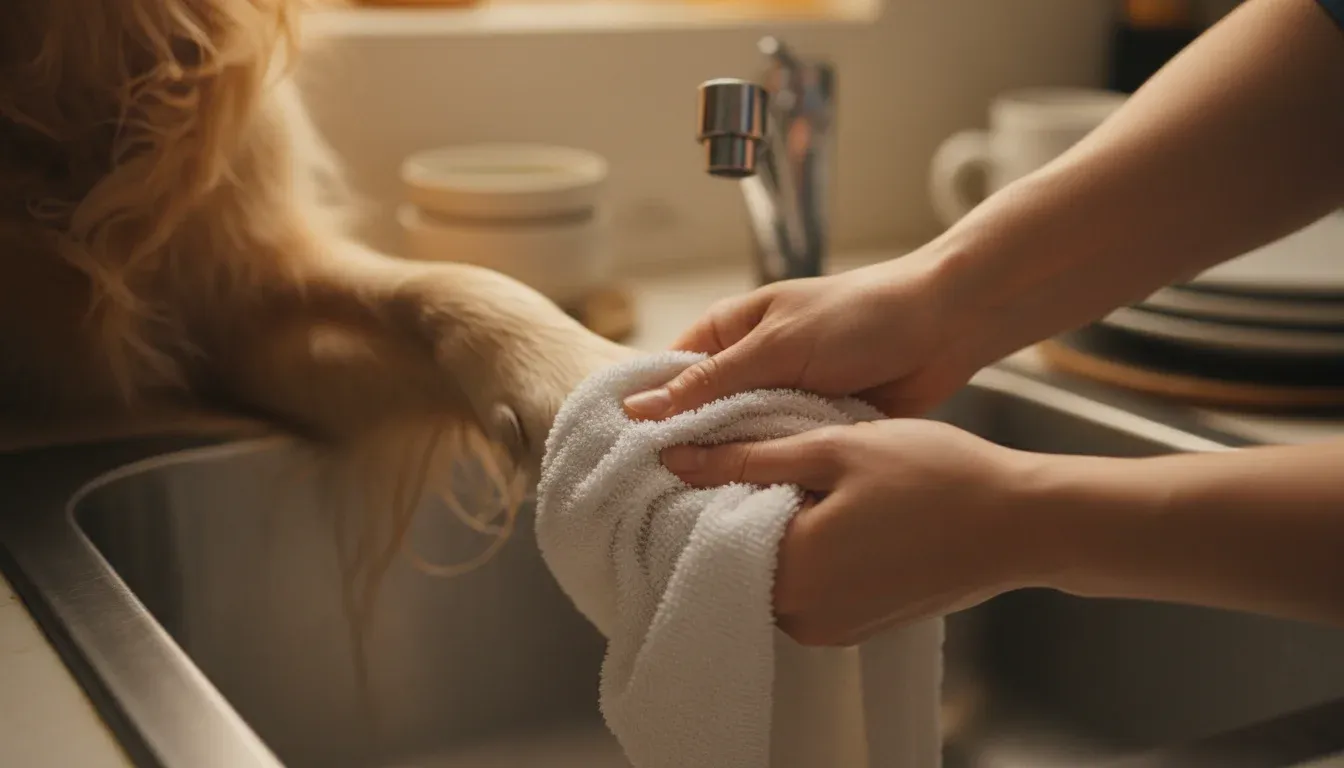
Simple truth: a designated old towel or rag works just as well for quick cleanups and doesn’t require ongoing purchases or storage space. Keep one towel specifically for pet messes. Wash it when dirty. Done. The wipes you bought two years ago that are now dried out in the package? Throw them out and don’t replace them.
3. Stop Overstocking Pet Food
Bulk buying makes sense for some things. Pet food is not one of them unless you have multiple large dogs and a dedicated storage room. That 40-pound bag of kibble takes up serious real estate in your kitchen or garage, and most households don’t go through it fast enough before it goes stale.
With subscription services and same-day delivery, there’s no reason to keep more than one bag on hand. Order when you’re down to a week’s supply. The space you reclaim is worth the minor inconvenience of more frequent ordering.
If you do find a great sale and buy multiple bags, store them properly. A clear plastic storage bin with a hinged lid keeps food fresh and contained. Wheels on the bottom help if you need to move it around. But honestly? Just don’t overbuy. Your storage space is more valuable than the few dollars you save on bulk pricing.
4. Purge Old Collars and Leashes
This one hits hard for people who’ve lost pets. That first puppy collar, the leash from your childhood dog, they feel like keepsakes. But professional organizers see these items creating clutter in homes where grief has turned into hoarding.
If you have no plans for another pet, be honest about whether you’re keeping these items for memory or utility. One meaningful collar preserved in a memory box is reasonable. A drawer full of every collar your dog ever outgrew is clutter.
For current pets, outgrown sizes, training collars you no longer use, and duplicate leashes should go. Keep one everyday collar, one backup, and one leash per pet. Donate the rest to shelters who desperately need these items.
5. Clear Out Expired Medications
Pet medications accumulate faster than you’d think. The antibiotics from that ear infection six months ago. The flea treatment you switched away from. The supplements your vet recommended that your pet refused to take.
Expired pet medications are clutter and a safety hazard. They’re also confusing when you’re trying to find current prescriptions in a hurry. Go through your pet medicine stash twice a year. Dispose of expired items properly (many pharmacies take them). Keep current medications in a clearly labeled container organized by pet.
Store newer products behind older ones so you use them first. Knowing exactly what you have prevents unnecessary repurchasing and ensures you’re never digging through outdated items during an emergency.
6. Rotate and Limit Pet Toys
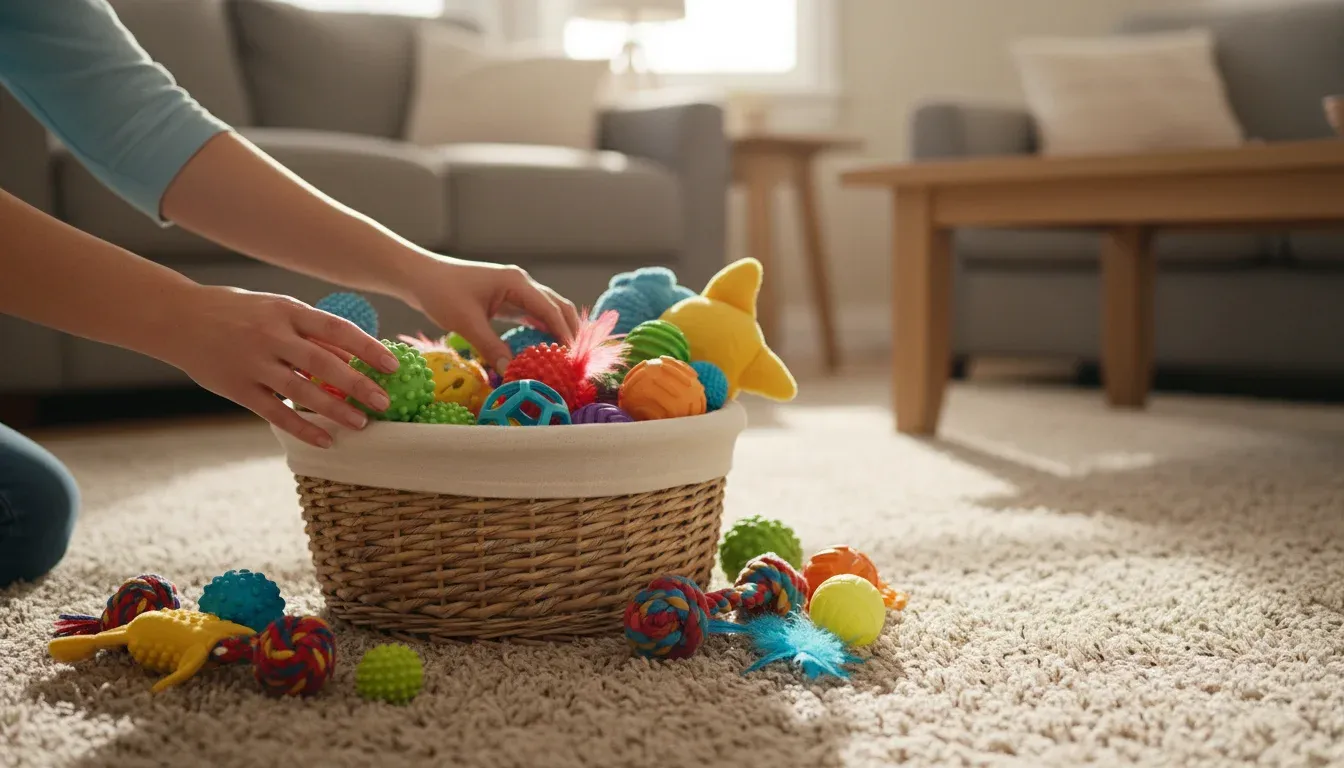
Pet toys multiply like rabbits. Every holiday, every sale, every well-meaning gift adds to the pile. Soon you’re navigating an obstacle course of plushies, squeakers, and chew toys every time you cross the living room.
Pets have favorites just like kids do, but many owners hold onto every single toy "just in case." The result is overflowing bins of things their pet hasn’t touched in months. Be ruthless: keep a small, manageable collection and donate the rest.
Establish a one-in-one-out rule. New toy arrives, least-favorite old toy goes to donation. For destroyed toys, let them go immediately. That stuffing-free plush that’s been sitting in the corner for three weeks? Your pet has moved on. Toss it.
7. Organize Paperwork in One Place
Pet paperwork has a way of spreading throughout the house. Vaccination records in the kitchen drawer, vet receipts in the car, adoption papers stuffed in a filing cabinet somewhere. When you actually need documentation for boarding, grooming, or emergency care, you end up tearing the house apart.
Professional organizers recommend a single dedicated folder or binder for each pet. Keep only current, relevant documents. Toss last year’s vaccination reminders and outdated training certificates. After each vet visit, update the folder and discard old versions of the same records.
Digital works too. A cloud folder with photographed documents is searchable and always available. Just make sure you’re not keeping scans of outdated paperwork "just in case."
8. Donate Unused Grooming Tools
The grooming tool collection grows gradually. A brush that didn’t work for your dog’s coat type. Nail clippers you bought before realizing you’d rather pay a groomer. Deshedding tools that promised miracles and delivered disappointment.
These items sit in bathroom drawers and under sinks, taking up space while you buy the next "miracle" tool. Be honest about what you actually use regularly. That one brush that works? Keep it. Everything else? Animal shelters and rescue organizations often need grooming supplies for incoming animals.
Before you buy the next grooming gadget, ask yourself if you’re solving an actual problem or just hoping for an easier solution. The best grooming routine is the one you’ll actually do consistently, not the one requiring seventeen specialized tools.