Table of Contents
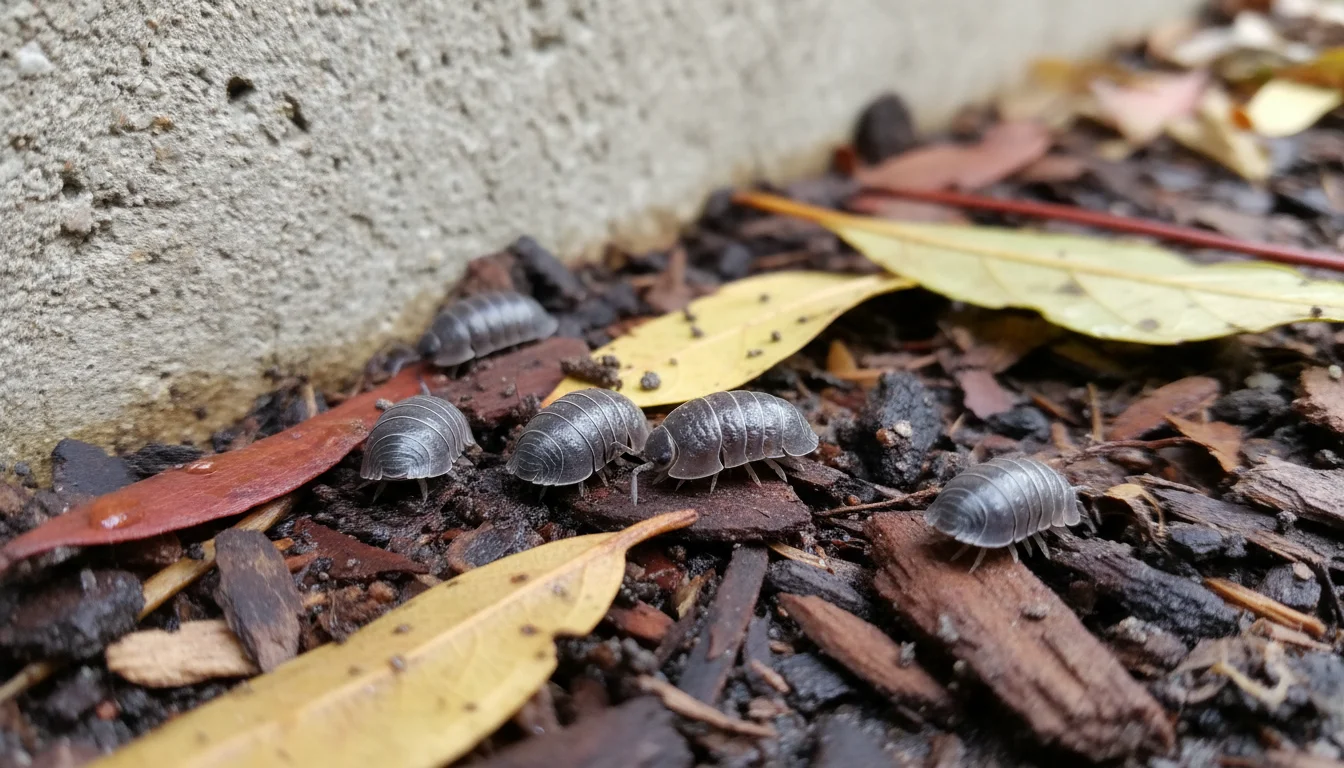
Knowing how to get rid of roly poly bugs starts with understanding what they actually are. Pill bugs and armadillo bugs – whatever you call them – are technically crustaceans, not insects. They breathe through gills, which is why they’re always in damp places. That biology is the key: they can’t survive without moisture, and every method below works by either removing what attracts them, blocking them out, or killing them on contact.
Most people have roly polies in the garden without issue. They’re decomposers – they eat rotting organic matter and are genuinely beneficial. The problem starts when they show up in large numbers inside the house, or when they’re eating seedlings and plant roots in the vegetable garden. If that’s where you are, here’s what works.
1. Remove Mulch and Debris from Foundation Perimeter
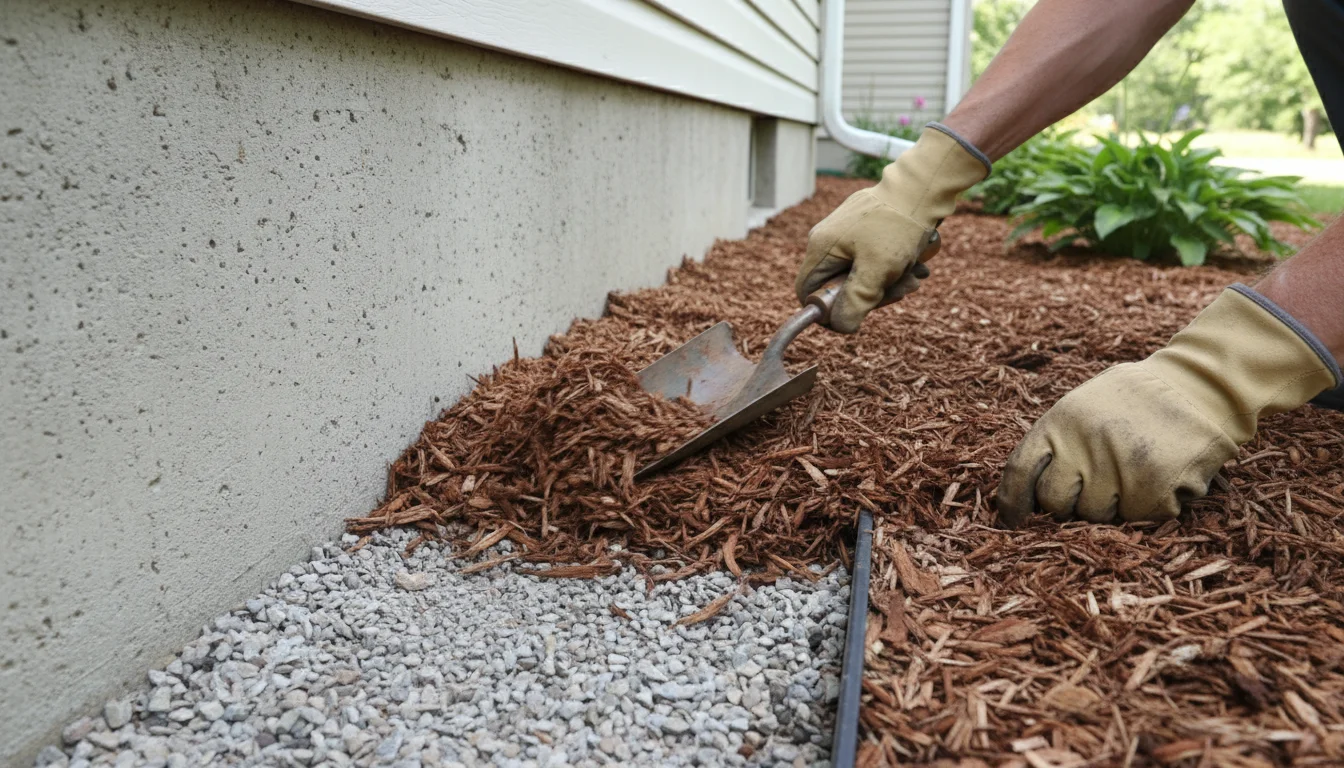
Wood mulch pressed against your foundation is habitat. It holds moisture and gives roly polies everything they need to live a few inches from your wall. This is the most common reason people get them indoors repeatedly – they’re living right outside and wandering in through gaps.
Create at least a 12 in (30 cm) bare zone between any mulch and your foundation. Swap wood chips for river rock or pea gravel in that strip – stone doesn’t hold moisture or provide organic material for them to eat. Firewood stacked against the house needs to move: at minimum 20 ft (6 m) away and up off the ground on a rack. Leaf piles, grass clippings, and any organic debris right against the foundation create the same problem. Clear it out.
This one change eliminates the population living closest to your entry points. Everything else works better once you’ve addressed this.
2. Diatomaceous Earth
Food-grade diatomaceous earth (DE) is a fine powder that damages the waxy coating on roly poly shells, causing them to dehydrate and die within 48-72 hours. Sprinkle a thin, even layer along the foundation perimeter, in garden bed pathways where populations are high, and at any gap or threshold where they’re entering the house.
The critical detail is moisture: DE stops working when it gets wet. Rain, irrigation, or heavy dew will clump the powder and it needs to be reapplied. If you apply it and it rains the next day, the application is essentially wasted. Apply during a dry stretch, or use it in protected spots – under steps, in covered entryways, along the inside of a raised garden bed wall – where it can stay dry.
Food-grade DE is safe for humans, pets, and garden plants. It won’t harm earthworms or beneficial insects unless they walk through it, so apply it where roly polies travel rather than broadcasting it across your whole garden.
3. Eliminate Moisture Sources
Roly polies breathe through gills. They extract oxygen from moisture, which is why they only live in damp locations and die out in dry conditions. Systematically removing moisture sources – both indoors and out – directly attacks their survival.
Outdoors: fix dripping outdoor faucets. Any slow drip creates a reliable wet patch that draws them. Check downspout drainage – water pooling at the foundation after rain soaks the soil and the mulch zone. Grade soil away from the foundation if it’s holding water against the wall.
For the indoor access case: look at what’s wet near where they’re entering. A crawl space with high humidity is a major roly poly habitat. Vapor barriers on crawl space soil and a dehumidifier dramatically reduce the conditions they need. Basements with moisture seeping through the walls do the same thing.
Leaky pipes and dripping fixtures indoors can pull them in through foundation gaps. Fix the leak and you remove the attractant. Pet water bowls left on concrete floors in basements or garages are a minor point but worth addressing.
4. Seal Entry Points
Roly polies come inside through gaps around doors, vents, foundation cracks, and where utility lines enter the house. A gap the width of a pencil is enough space. Sealing these is the permanent fix for indoor invasion.
Work around the exterior: install or replace weatherstripping on all exterior doors – check that it makes solid contact with the threshold. Apply fresh caulk around window frames at ground level, around any pipe or conduit entry points through the foundation, and along any visible cracks in the foundation itself. Fit screens over any vent or exhaust opening at or near ground level.
Check door thresholds specifically. Many threshold seals degrade and leave a small gap along the base. A door sweep on the bottom of exterior doors closes this. Roly polies are ground-level pests and won’t climb to find entry points – focus your effort from the ground up to about 12 in (30 cm) of height.
5. Elevate Pots and Containers
The damp, sheltered space under a container sitting flat on a patio or deck is a prime roly poly habitat. They shelter there during the day, feed on any organic debris that accumulates underneath, and move into the soil and root zone above.
Raising containers off the ground on pot feet, a plant stand, or a wheeled platform removes that sheltered space. The area dries out, stops providing cover, and the population relocates. This is a simple habitat modification – they won’t be harmed by the change, but they’ll move on when the habitat no longer suits them.
This works well on patios, decks, and concrete surfaces. It won’t help for containers sitting in garden beds or directly in soil, where the surrounding environment provides the same conditions.
6. Reduce Garden Watering
Overwatering creates wet, compressed soil that stays moist well into the day – ideal conditions for roly polies. Adjusting your watering habits makes the garden less hospitable without any other intervention.
Water at the base of plants rather than overhead. Overhead watering wets the soil surface and surrounding pathways where roly polies forage at night. Let the top inch of soil dry out between waterings. Most vegetables and ornamentals tolerate this better than expected, and overwatering is a common cause of other plant problems anyway.
Water in the morning. Morning watering gives the soil surface time to dry during the day, so the ground isn’t wet overnight when roly polies are most active. Night watering keeps the surface wet during peak foraging hours and actively concentrates them in watered areas.
This method works best as part of the broader moisture reduction approach – paired with removing mulch from the foundation perimeter and fixing any actual moisture sources, it maintains the drier conditions that keep populations low.
7. Inspect Incoming Potted Plants
Roly polies travel in on potted plants. They’re common in nursery pots and outdoor container plants, hiding in the potting mix and under the pot. When you bring a plant in for winter or add a new plant from the nursery, you can accidentally introduce them to a new indoor environment.
Before bringing any pot indoors, check the underside of the container and the surface of the potting mix. Roly polies are visible to the naked eye – gray, oval, and they roll when disturbed. If you find them, knock them out over a bucket of soapy water before the plant comes inside. A quick soak of the pot in water for about 10 minutes will also drive any hiding in the soil up to the surface.
Two weeks of quarantine for new or returning plants before they go back into your main indoor space is the safest approach. It also catches other pests that are less visible at the point of inspection.
Prevention
The moisture pattern is the thing to maintain long-term. Roly polies are permanently present in gardens – they’re beneficial decomposers and eliminating them entirely isn’t realistic or worthwhile. What you can control is whether conditions near your house encourage them to build up in numbers.
Keep the 12 in (30 cm) dry zone at the foundation year-round, not just when you notice a problem. Leaf litter, fallen fruit, and organic debris that accumulates along the foundation edge through autumn recreates the habitat in a season, even if you cleared it in spring.
For vegetable gardens where they’re eating seedlings: young transplants are the most vulnerable. A ring of diatomaceous earth around seedlings during the first few weeks gives them time to establish before roly poly pressure becomes a problem. Once plants are larger, the damage level usually drops off.
Outdoor essential oils – lavender, peppermint, citronella – have some anecdotal support as repellents. Mixed in water (a few drops per spray bottle) and applied around entry points, they won’t kill anything but may reduce foraging near the house. The effect is short-lived and needs frequent reapplication, so treat it as a supplement to the structural fixes, not a replacement.
Frequently Asked Questions
What home remedy kills roly poly bugs?
Diatomaceous earth is the standard home remedy – food-grade DE is available at garden centers, safe for pets and people, and kills them by dehydration within a few days. It needs to stay dry to work, so reapply after rain. A spray made from dish soap and water (1 tablespoon per quart / 1 L) kills them on contact but has no residual effect. Some people use cayenne pepper mixed with dish soap and rubbing alcohol as a contact spray – it works on direct hit but doesn’t provide lasting control.
What keeps roly poly bugs away?
Moisture reduction is the durable answer. Remove wood mulch from the foundation perimeter, fix any dripping faucets or drainage problems, and seal gaps in doors and vents. These changes eliminate the habitat conditions they need. Essential oils (lavender, rosemary, peppermint, citronella) work as short-term repellents when sprayed around entry points, but the effect fades quickly and they don’t address the underlying attractants.
What smell do roly poly bugs hate?
Citrus and aromatic essential oils – citronella, peppermint, tea tree, lavender, rosemary. A few drops diluted in water can be sprayed around doorways and foundation gaps as a deterrent. They won’t eliminate an established population, and you’ll need to reapply every few days. Use them alongside structural fixes rather than instead of them.
What causes a roly poly infestation?
Moisture and organic matter. They congregate where conditions suit them: damp soil, wood mulch, leaf litter, rotting wood, or any wet organic debris. High numbers near or in the house usually means there’s a moisture problem nearby – standing water from poor drainage, saturated mulch against the foundation, a crawl space humidity issue, or an outdoor water source that stays wet. Fix the moisture and the population drops on its own.