Table of Contents
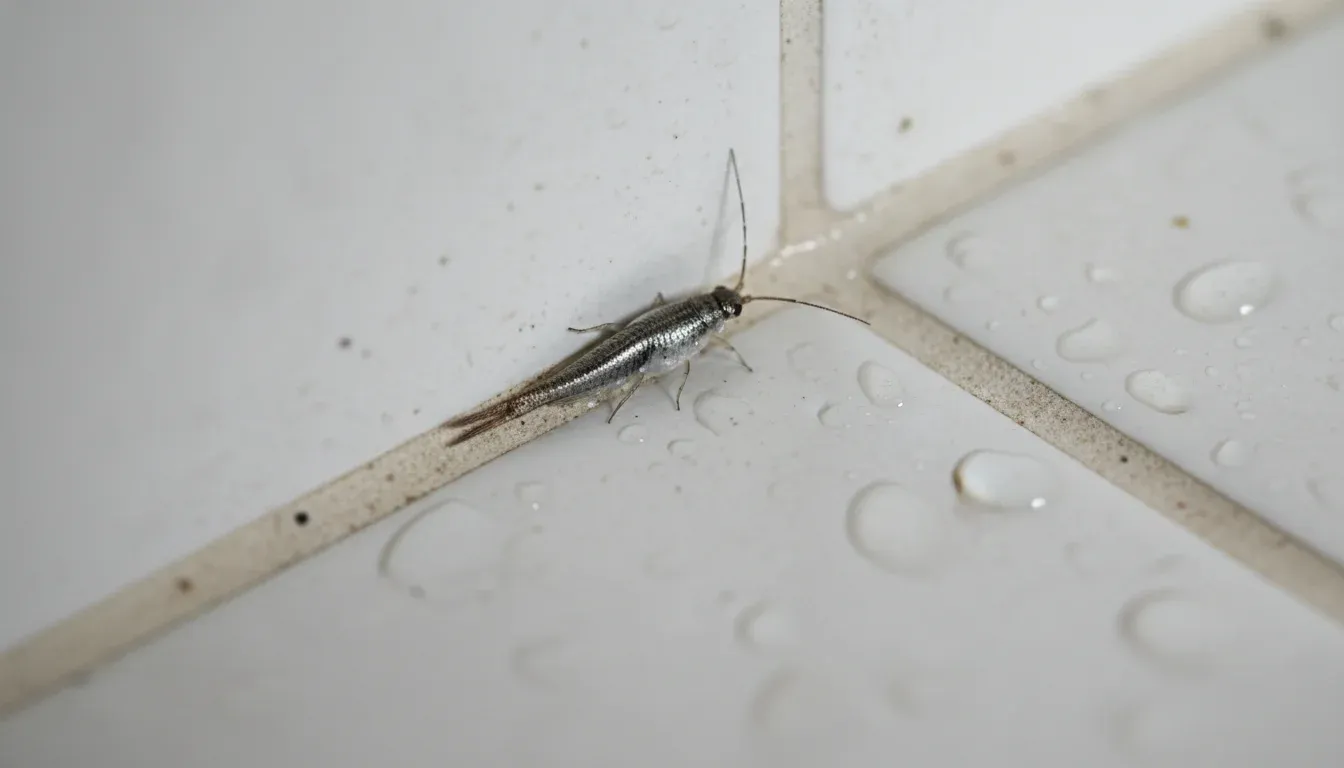
Silverfish are a moisture problem first, a pest problem second. They need humidity above 75% to thrive – take that away and most infestations resolve on their own over time. They eat starchy organic material: paper, book bindings, wallpaper paste, dried food, your shed skin cells. They don’t bite, they don’t carry disease, they don’t cause structural damage. But they’ll ruin books, contaminate pantry goods, and chew through wallpaper, and they breed fast in the right conditions.
They’re nocturnal and hide in narrow cracks, so you often won’t see many even in a significant infestation. Finding one or two near baseboards or in a drain is already a sign there are more in the walls, under floors, or behind appliances.
The fix is a combination of reducing the humidity that sustains them, trapping the ones already present, and cutting off the food and entry points that keep the population stable.
Moisture Reduction
This is the most important thing you can do. A dehumidifier in a basement, bathroom, or crawl space that stays consistently damp is the single most effective long-term intervention. Target humidity below 50% – silverfish populations crash without the moisture to support them. Run it continuously, not just occasionally.
Fix leaking pipes and drains. Even a slow drip under a sink creates a permanently damp zone that silverfish will colonize. Check under bathroom vanities, kitchen sinks, and anywhere pipes run through walls or floors.
Fix gutters and downspouts that direct water toward the foundation. Pooling water against the house keeps the basement and crawl space damp regardless of what you do inside.
Traps and Contact Treatments
Sticky traps placed along baseboards and in dark corners tell you where the activity is and kill a useful number of silverfish in the process. Put them in known hotspots: under sinks, behind the toilet, in closets, along garage walls.
Homemade jar traps are more effective than they sound. Wrap a glass jar in masking tape (so the silverfish can climb up), put a piece of bread inside, and leave it overnight. They climb in and can’t get out on the smooth glass interior. Works well in enclosed spaces.
Diatomaceous earth is the contact kill with the best track record for silverfish. Apply a thin line of food-grade DE along baseboards, in cracks, and around pipe entries. The microscopic particles damage their exoskeleton and they dehydrate. It stays effective as long as it stays dry – reapply after any moisture exposure. Wear a dust mask when applying.
Boric acid bait works similarly – mix it with a small amount of flour and sugar, place it in cracks and crevices where silverfish hide, keep it away from pets and children. Slower acting than DE but effective.
If you have infested books, clothing, or papers that you can’t immediately treat, seal them in a bag and freeze them for 72 hours at 0°F (-18°C). Kills silverfish and eggs without chemicals.
Natural Repellents
Cedar shavings in closets and drawers work as a repellent. Cedar oil is toxic to silverfish at the concentrations found naturally in the wood. Sachets of cedar shavings in book storage areas, linen closets, and clothing drawers keep them away from the things they most want to eat.
Peppermint oil spray is a reasonable alternative – mix 10 drops per cup (240ml) of water and spray along baseboards and entry points. It needs reapplying every week or two, but it’s non-toxic and smells better than most of the alternatives.
Exclusion and Structural Sealing
Seal every crack and gap at the foundation, where pipes and cables enter the house, and along baseboards. Caulk is fine for most interior gaps. For larger foundation cracks, use hydraulic cement or mortar. This stops outdoor silverfish from migrating in and reduces the hiding spots available to the ones already inside.
Check the attic too – silverfish can enter from above and travel down through wall cavities.
Habitat and Food Source Reduction
Reduce indoor clutter, particularly boxes of old papers, magazines, and cardboard. These are both food and habitat. Anything stored in cardboard boxes in a damp basement or garage should go into sealed plastic bins.
Store papers – especially anything irreplaceable like documents and books – in sealed bins rather than on open shelves in damp areas. Silverfish can work through a box of papers quickly without you noticing.
Lock down food storage: transfer cereals, flour, oats, and dried goods from cardboard and paper packaging into airtight containers. Silverfish will get into poorly sealed boxes.
Vacuum regularly along baseboards, in dark corners, under furniture, and in closets. You’re removing eggs, debris, and food sources. Pay particular attention to areas where the floor meets the wall.
When to Call a Professional
Most silverfish infestations respond to home treatment within a few weeks if you address the moisture. Call a pest control professional if the infestation is extensive (finding them regularly throughout the house, not just in one damp area), or if you’ve fixed the humidity and maintained traps for a month with no improvement. They can apply insecticide dusts in wall voids where you can’t reach.
Where It Shows Up
How to get rid of silverfish with moisture control – Dehumidifiers, plumbing fixes, and gutter repairs. The foundational approach that makes everything else more effective.
How to get rid of silverfish with prevention – Clearing clutter, sealing food, storing papers properly, and vacuuming the spots they breed. The habit changes that keep them out.
How to get rid of silverfish with traps and treatments – Sticky traps, jar traps, diatomaceous earth, boric acid, and peppermint spray. Killing and repelling the ones already there.