Table of Contents
Repellents buy time. Exclusion and removal actually solves the problem. If a skunk is living under your deck or shed, here’s how to get it out and keep it out – without getting sprayed in the process.
Remove Attractants
First priority is cutting off the food supply. Skunks are omnivores and opportunists: unsecured garbage, pet food left outside overnight, fallen fruit under trees, spilled birdseed, and unsecured compost bins are all reliable draws.
Secure garbage lids with bungee cords or latching bins. Bring pet bowls inside at night. Rake up fallen fruit. Clean under bird feeders. If you compost, use a sealed bin or bury wire mesh underneath to block digging access. Removing attractants won’t immediately evict a skunk with an established den, but it removes the reason they’ll stay once you’ve pushed them out through other methods.
Sealing Spaces with Hardware Cloth
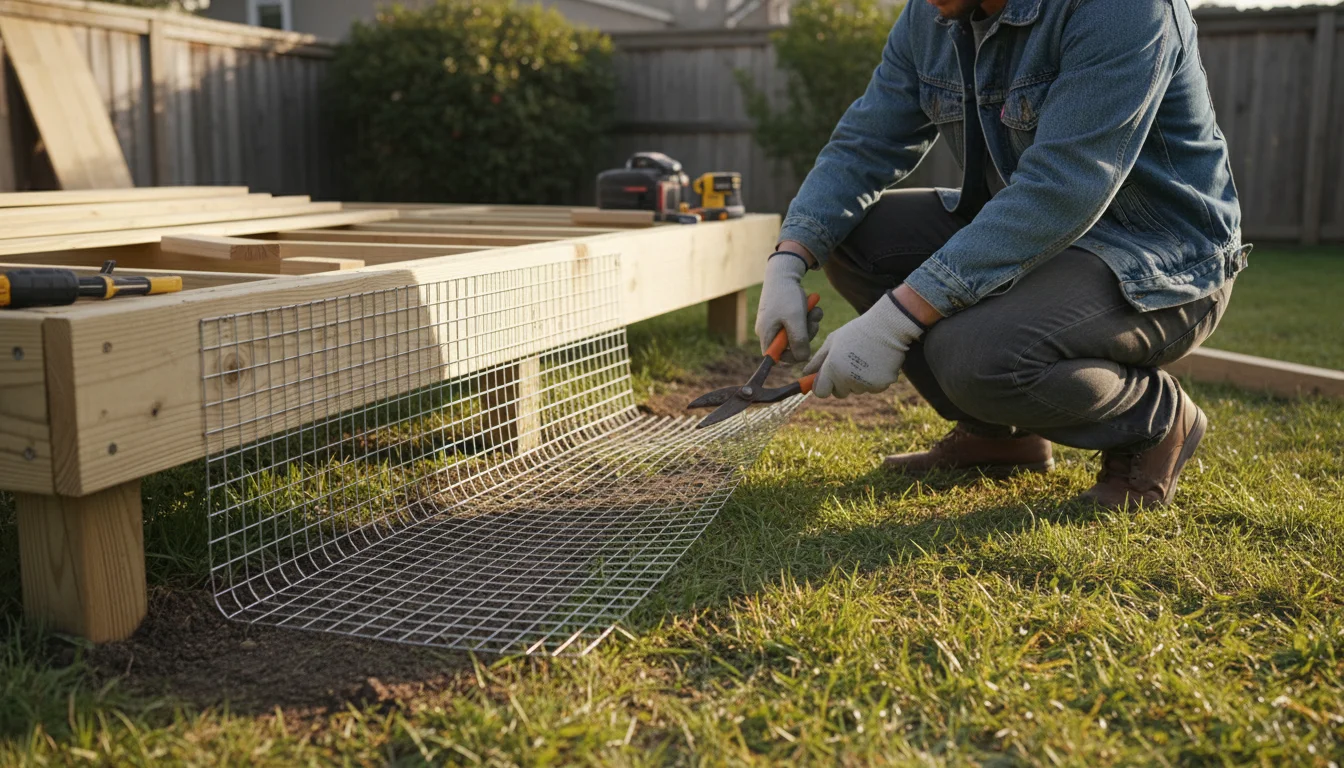
Once a skunk leaves, permanent exclusion prevents return. Use 1/4-inch (6mm) hardware cloth or heavy wire mesh around openings under decks, sheds, and porches. Bury it at least 6 inches (15 cm) into the ground, extending 12 inches (30 cm) outward in an L-shape – skunks dig, so surface barriers don’t work.
Critical: confirm the den is empty before sealing. Sprinkle flour at the entrance at dusk and check for tracks leading out but not back in for 2-3 nights. If you seal while a skunk is inside, you’ve trapped it. A trapped skunk will spray repeatedly and may destroy the structure trying to escape, or die inside and create an odor problem that makes a skunk visit seem minor by comparison. Time this correctly.
One-Way Door Eviction
For an occupied den, a one-way door lets the skunk push out at dusk to forage but prevents re-entry. Install it over the main entrance. Leave it in place for 3-4 nights to confirm the skunk has left, then remove the door and permanently seal the opening with hardware cloth.
One important constraint: this doesn’t work if there are young skunks inside. They can’t push through the door and will be separated from the mother. Skunk breeding season runs February through March, with young staying in the den until late spring. Wait until the family group is mobile and foraging together before using a one-way door. If you can hear or see young skunks, wait.
Fencing
A perimeter fence won’t keep out a determined skunk, but it makes your property less accessible than the easier alternatives nearby. Use wire mesh fencing buried 6-12 inches (15-30 cm) underground (to prevent digging under) and extending at least 3 feet (90 cm) above ground. An outward-angling overhang at the top makes climbing harder since skunks aren’t agile climbers.
More practical for protecting specific areas – vegetable gardens, chicken coops, compost areas – than for entire properties. For full-yard exclusion, combine fencing with den site elimination and attractant removal.
Yard Maintenance
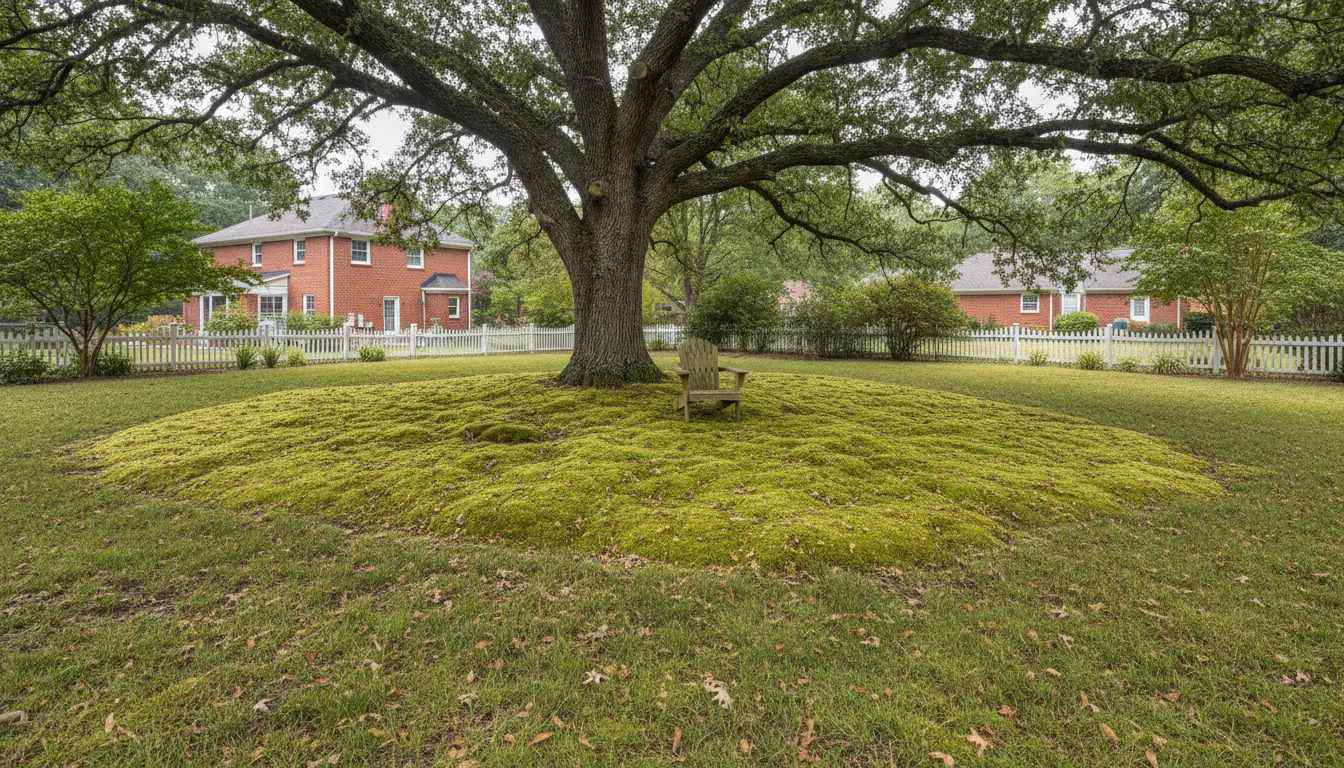
Overgrown brush, woodpiles, loose debris piles, and tall grass create ideal skunk habitat: cover, shelter from predators, and opportunities to dig. Keeping your lawn mowed, clearing brush piles, trimming low-hanging vegetation, and filling in any burrows or holes removes the appeal before a skunk decides to settle.
This is basic prevention, and it’s not exciting, but a well-maintained yard is a less attractive target than the neighboring overgrown lot. Skunks are lazy in the way most animals are lazy – they’ll take the easiest available option.
Baiting and Trapping
Live trapping is effective but comes with caveats. Check local regulations first – some municipalities prohibit relocation or require permits. Use a cage trap (minimum 10x12x30 inches / 25x30x75 cm) baited with cat food, sardines, or peanut butter. Place along known travel paths at dusk. Cover part of the trap with a tarp to make it feel like a safe shelter – this increases capture rates significantly.
For transport: approach the trap calmly and cover it completely with a thick blanket before moving it. A covered skunk generally won’t spray because it can’t see a threat. Move the animal at least 10 miles (16 km) away to prevent it returning. If you’re not comfortable handling a trapped skunk, stop here and call wildlife control – getting sprayed at close range while fumbling with a cage trap is a mistake you’ll remember for weeks.
Professional Wildlife Removal
For family groups, repeated intrusions after your own attempts, or animals that have accessed a crawl space or basement, professional removal is the right call. Wildlife control operators have the experience to remove the target species without triggering a spray, seal entry points properly, and handle odor remediation. They can also identify secondary access points you’ve missed.
Expect $200-$600 depending on location and complexity. Worth it if the skunk is in a difficult-to-access space, if there are young involved, or if you’ve already had two failed attempts on your own.