Table of Contents
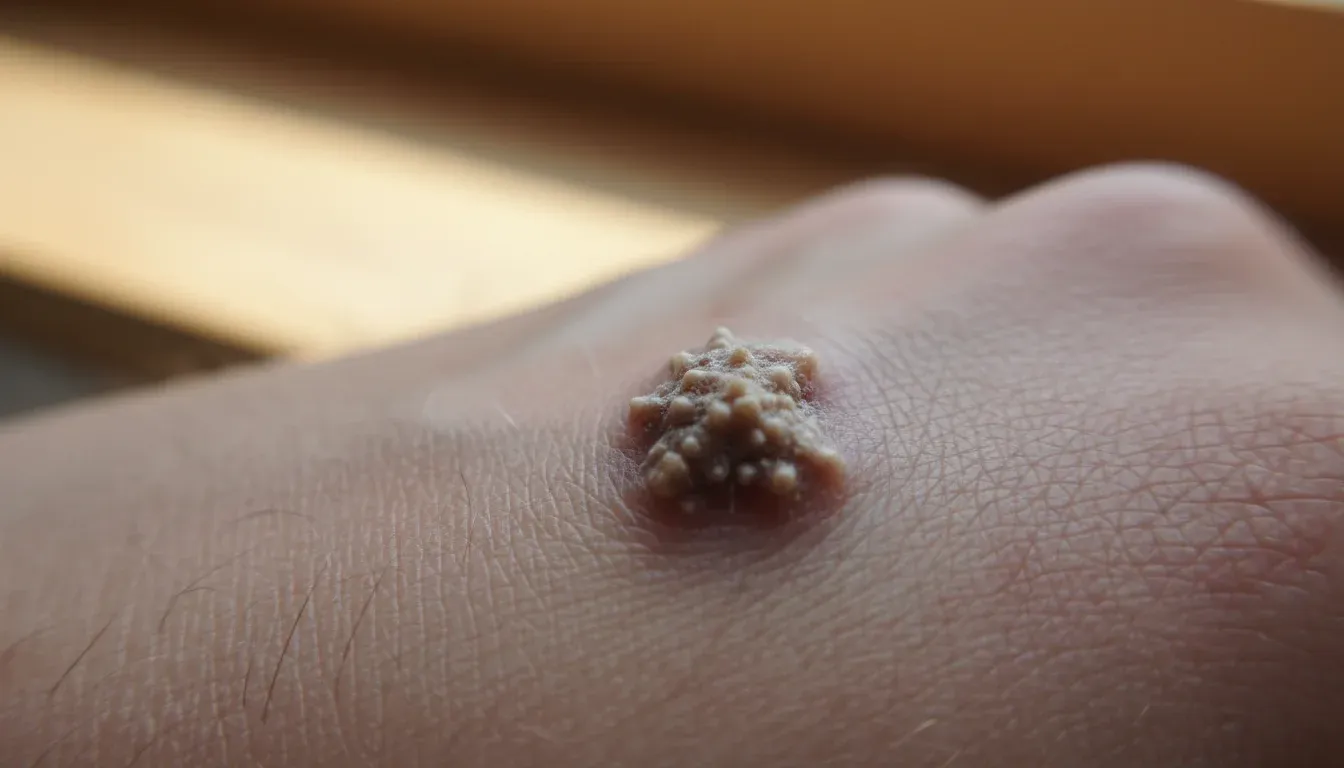
Warts are contagious skin growths caused by viral infection. They’re common, annoying, and stubborn. You’ve got options, though. Some work fast, others take patience.
1. Salicylic Acid
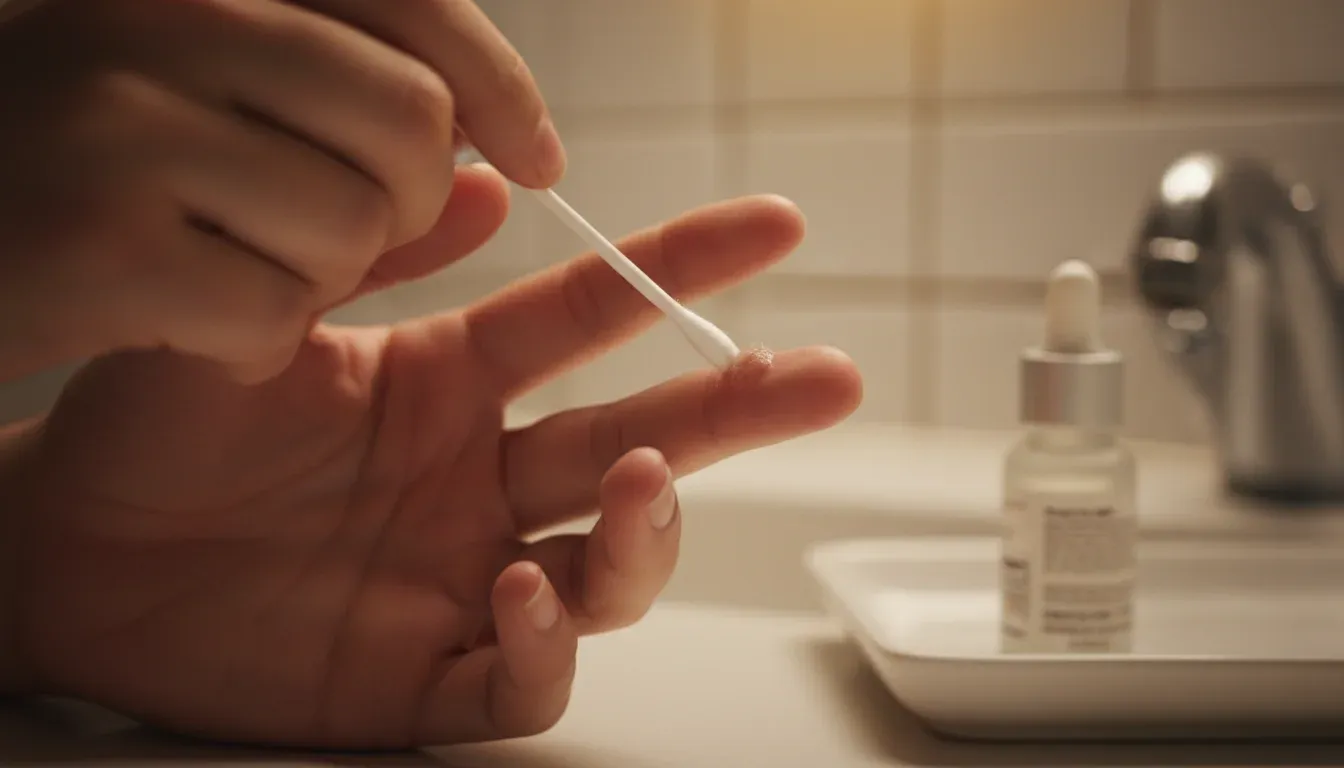
The slow burn. Salicylic acid (found in most over-the-counter wart removers) chemically exfoliates the infected skin layer by layer. Soak the wart in warm water for 5 minutes to soften it, apply the acid, and leave it for 24 hours. 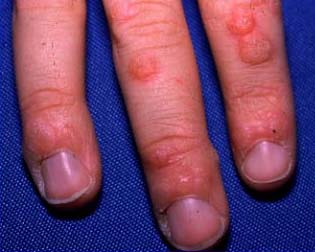 The dead skin will whiten and peel. Scrape it off with a pumice stone or file, then reapply. Repeat daily for weeks. It’s tedious but it works if you stay consistent.
2. Cantharidin
This one requires a doctor visit. Cantharidin is a blistering agent extracted from blister beetles (yes, really). The doc paints it on, covers the wart, and you leave it for 24 hours. A blister forms underneath the wart, lifting it off the skin. The whole thing dies and falls off within a week. It’s fast and effective, but since cantharidin is toxic if swallowed, you can’t just buy it yourself.
3. Freeze Treatment
Cryotherapy. Either buy an over-the-counter freeze kit or have a doctor do it with liquid nitrogen (the medical version is colder and more effective). The freezing kills the wart tissue. It stings, you’ll get a blister, and the wart falls off in about 10 days. Home kits work on small warts. For stubborn or large ones, see a doc for the real freeze.
4. Burn Treatment
Electrocautery. A doctor burns the wart off with an electric needle. You could technically burn it yourself at home, but don’t. You’ll either under-burn it (wart stays) or over-burn it (scar stays). Just pay someone who knows what they’re doing.
5. Other Medications
Prescription options include bleomycin injections (chemo drug that kills the wart cells), imiquimod cream (triggers your immune system to attack the virus), or topical retinoids. These are second-line treatments for warts that won’t budge. Talk to a dermatologist if the basics aren’t working.