Table of Contents
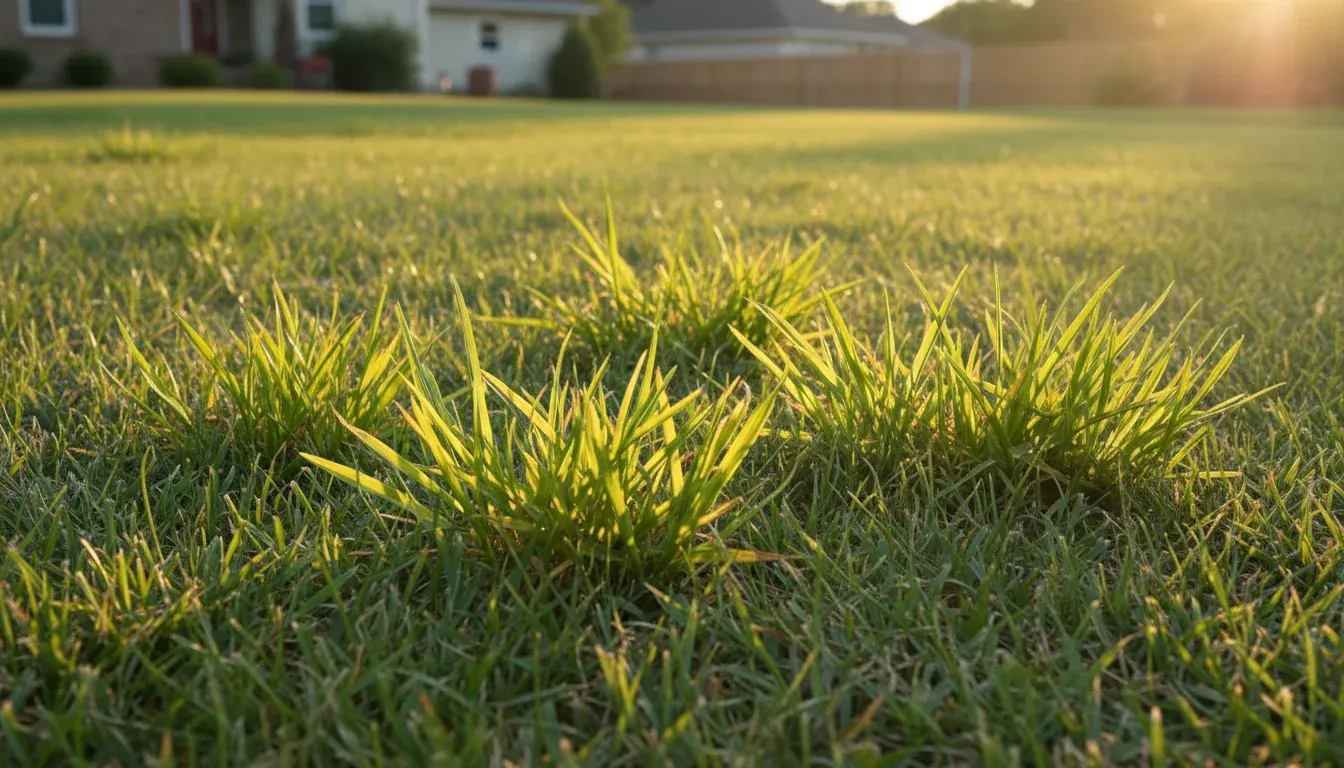
Nutsedge looks like grass but grows faster, taller, and spreads through underground tubers that laugh at surface-level control methods. You can mow it on Monday and by Thursday it’s back, sticking up like little green middle fingers across your lawn. The yellowish-green color and triangular stems (not round like grass) make it easy to spot once you know what you’re looking for.
The reason nutsedge is such a pain is those tubers. Each plant can produce hundreds of them, and they sit dormant in soil for years. Pull the top and the tubers stay behind, ready to send up new shoots. That’s why controlling nutsedge means attacking it on multiple fronts – killing what’s visible and stopping tuber production underground.
1. Manual Removal (for Small Patches)
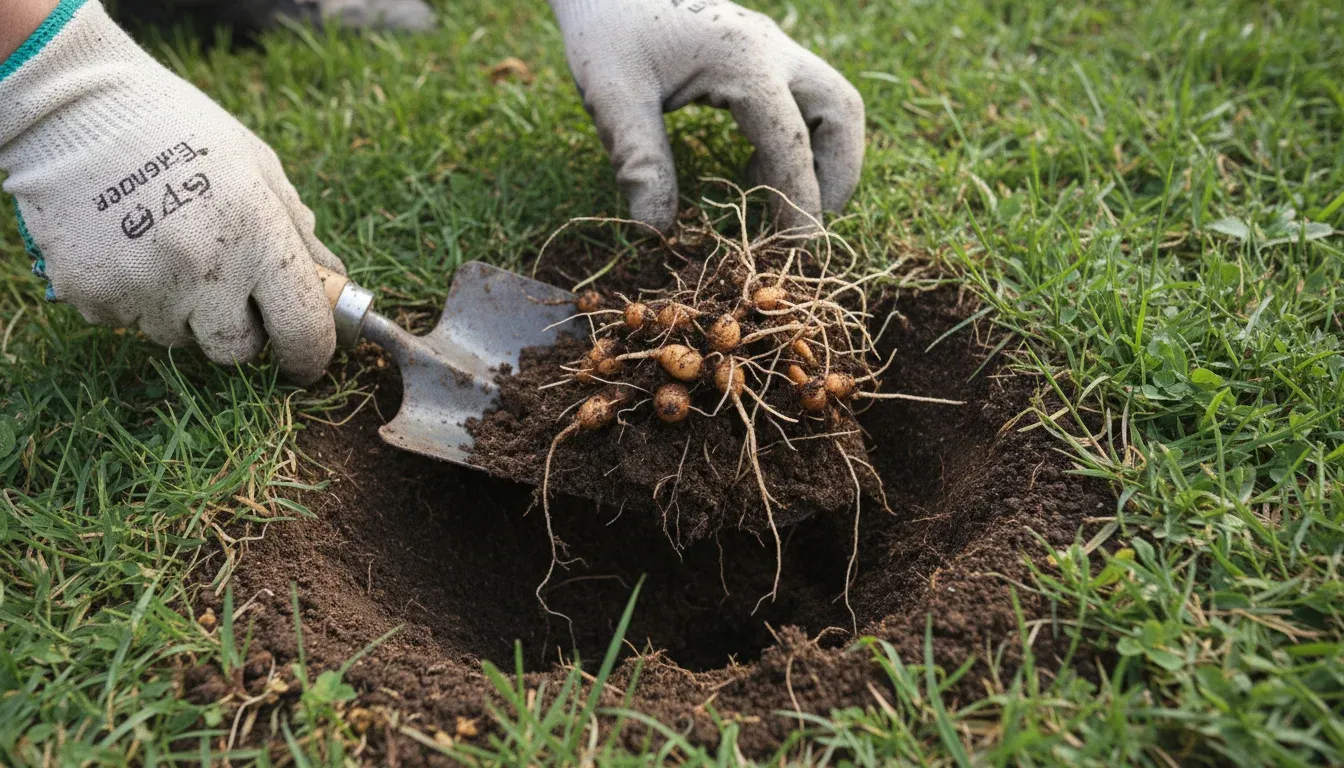
If you’ve got a few isolated clumps, dig them out completely. Not just pulling – actual digging. Get a trowel or garden fork and go at least 8-10 inches deep to get the tuber cluster. Pull gently to avoid breaking the tubers off underground.
Do this when soil is moist (after rain or watering). Dry soil makes tubers break easily, and every broken piece becomes a new plant. Bag what you remove, don’t compost it.
This only works for small infestations. If you’ve got nutsedge across half your lawn, move to the next methods.
2. Cardboard Smothering
Smother patches with cardboard during the growing season (late spring through summer). The idea is to block all light and heat up the soil enough to kill tubers.
Cover the nutsedge area with 4-6 layers of cardboard, water it thoroughly, then weight it down with mulch or stones. Leave it for 6-8 weeks minimum. The heat and darkness will kill both the plants and most tubers.
This leaves bare spots you’ll need to reseed, but it beats herbicides if you’re going organic.
3. Black Plastic Sheeting (Solarization)
Similar to cardboard but more aggressive. Lay black plastic over the infested area during peak summer heat. The plastic needs to be tight against the soil and sealed at the edges with rocks or landscape staples.
Soil temps under black plastic can hit 140°F on hot days, which cooks nutsedge tubers. Leave it for 8-10 weeks. This kills everything underneath – nutsedge, grass, beneficial organisms, everything – so plan to reseed afterward.
Solarization works best in full sun. Shady spots won’t get hot enough to kill tubers.
4. Sugar Water Treatment
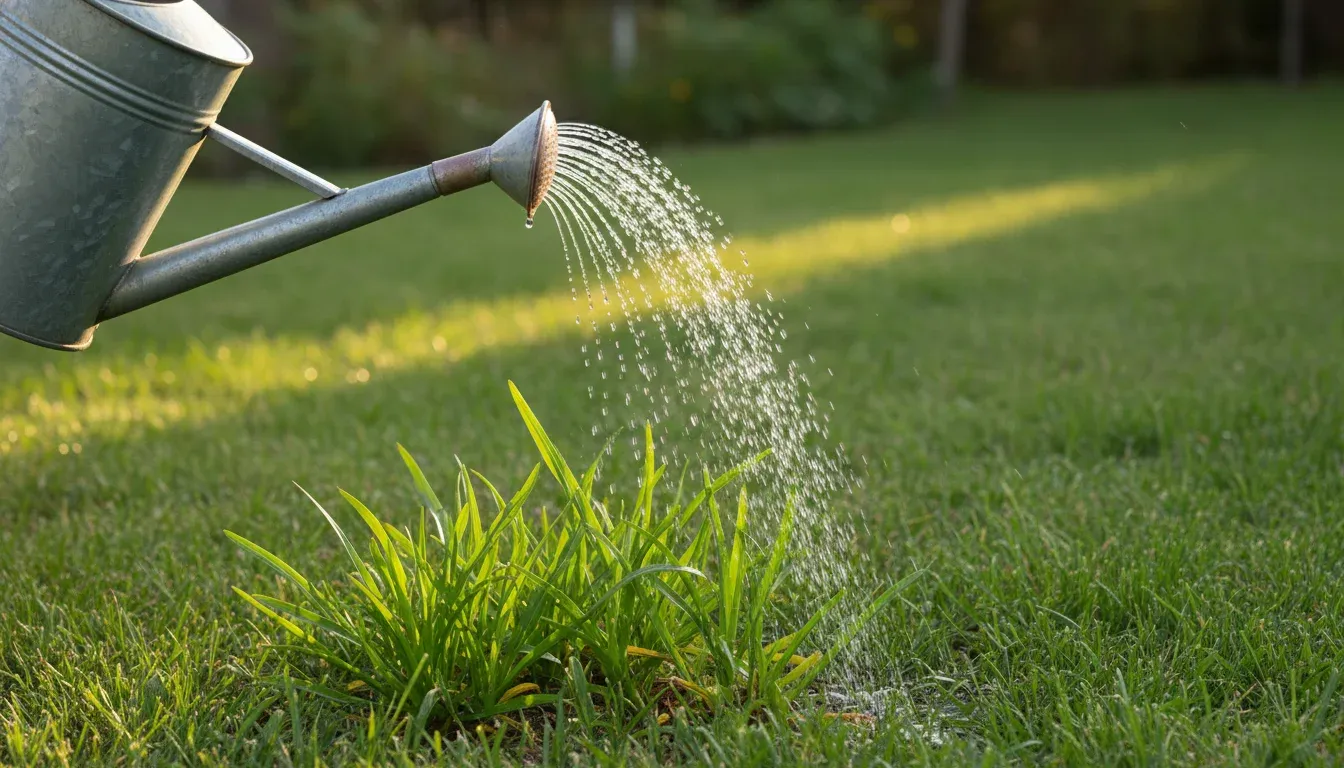
This one exploits nutsedge biology. Mix 4-5 pounds of sugar per 1,000 square feet, dissolve it in water, and spray it on the nutsedge in late spring when plants are actively growing.
The sugar spurs rapid growth that forces the plants to deplete their tuber reserves faster than they can replenish them. Hit the same area every 3 weeks for 2-3 applications. The plants exhaust themselves and die.
This doesn’t work instantly and it feeds soil microbes (which can temporarily yellow your grass), but it’s chemical-free and actually works if you’re patient.
5. Selective Herbicide Spot Treatment
If you want fast results, use a selective post-emergent herbicide containing halosulfuron or sulfentrazone. These target nutsedge specifically without killing grass.
Apply when nutsedge is actively growing (6-8 inches tall, not stressed by heat or drought). You’ll need 2-3 applications spaced 6-8 weeks apart because the first application kills the plant but not all the tubers. Follow-up treatments hit the new shoots that emerge.
Read the label. Some formulations damage certain grass types (especially St. Augustine). And spot-treat, don’t broadcast – you don’t need herbicide where there’s no nutsedge.
6. Improve Lawn Density and Vigor
Nutsedge loves thin, weak lawns with poor competition. Thick grass crowds it out by blocking light and hogging nutrients. Overseed bare spots, fertilize appropriately for your grass type, and water deeply but infrequently (1 inch per week).
Nutsedge tolerates compacted, poorly drained soil that grass hates. If water pools after rain, address drainage issues with aeration or grading. Healthy grass on well-drained soil makes nutsedge work harder to establish.
This is prevention more than cure, but long-term it matters more than any single treatment.
7. Mow High and Often
Nutsedge grows faster than grass, so frequent mowing (every 5-7 days during peak season) stresses it by constantly removing its photosynthetic tissue. Set your mower to the highest recommended height for your grass type – 3 to 4 inches for most cool-season grasses.
Tall grass shades the soil and makes conditions less favorable for nutsedge germination. Short grass invites it in. You can’t mow nutsedge to death, but you can weaken it enough that other methods finish it off.
Bag clippings if you’re mowing heavily infested areas. You don’t want to spread seeds or tuber fragments.
8. Amend Soil with Compost
Nutsedge thrives in compacted, low-organic-matter soil. Top-dressing with a half-inch of compost in early fall improves soil structure, increases microbial activity, and creates conditions grass prefers.
Better soil doesn’t kill existing nutsedge, but it shifts the competitive balance toward your lawn. Combine this with overseeding for best results.
Avoid peat-based amendments – they retain too much moisture and nutsedge loves consistently wet soil.
9. Mulch Landscape Beds Heavily
If nutsedge is popping up in garden beds, a thick mulch layer (3-4 inches) blocks light and prevents new shoots from breaking through. Use wood chips or shredded bark, not straw (which breaks down too fast).
Pull any nutsedge that makes it through the mulch immediately, before it produces tubers. Check weekly during growing season.
Landscape fabric under mulch helps but isn’t foolproof – nutsedge can punch through low-quality fabric.
10. Prevent Seed Spread
Nutsedge produces seeds in late summer. Mow or pull plants before they go to seed (look for seed heads forming at the top). Seeds are less of a problem than tubers, but they add thousands of new potential plants to your soil seed bank.
If you’re removing nutsedge manually, do it before mid-July in most climates to avoid seed production.
Nutsedge is beatable but it takes persistence. No single method wipes it out completely – you need a combination approach that kills existing plants, exhausts tubers, and creates conditions where your grass outcompetes new growth. Start with the method that fits your situation (manual for small patches, herbicide for heavy infestations, smothering for organic approaches), then follow up with lawn care practices that prevent reestablishment. The tubers can sit dormant for years, so keep watch even after you think you’ve won.