Table of Contents
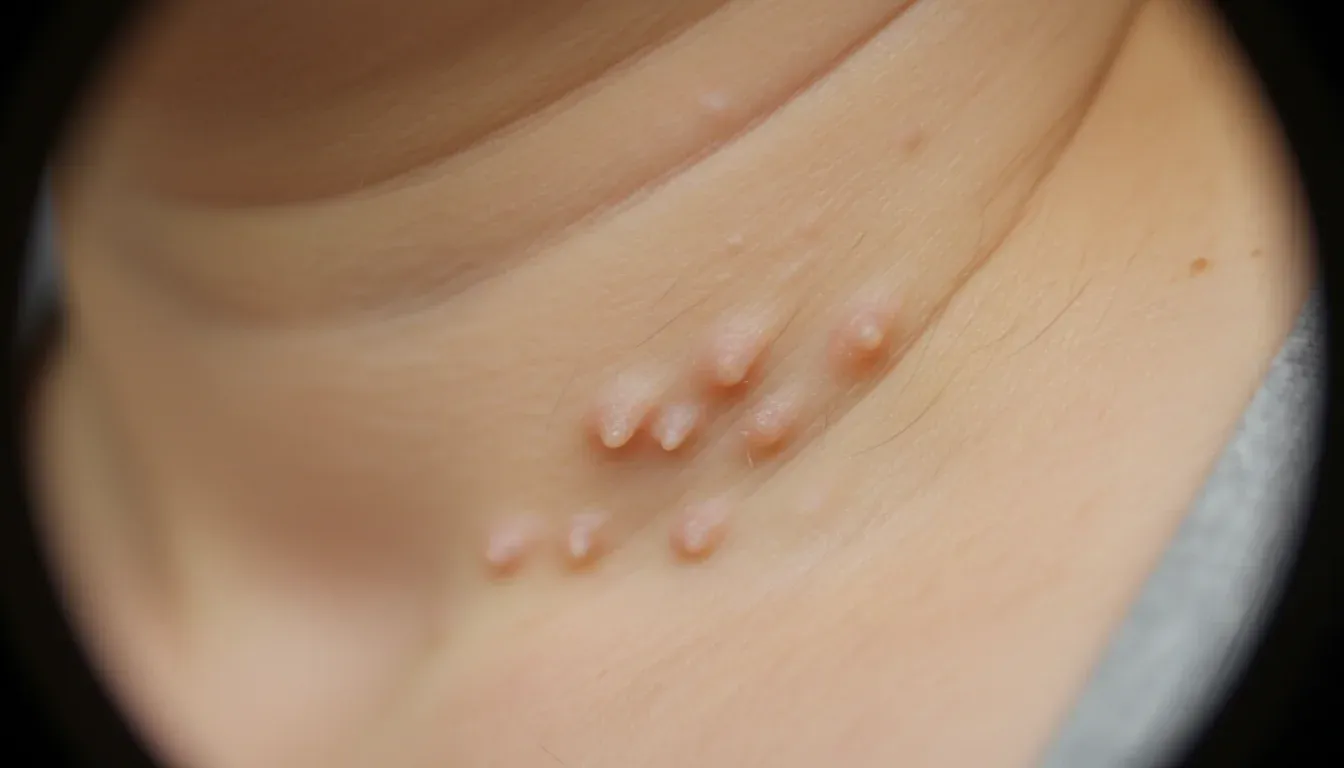
Skin tags. Those little flaps of skin that show up on your neck, armpits, or groin and refuse to leave. They’re harmless but annoying, especially if they catch on clothing or jewelry.
They’re not dangerous, but that doesn’t mean you want them hanging around (literally). Cosmetically, they’re a nuisance. Here’s how to get rid of them.
1. String or Dental Floss Ligation
Cut off the blood supply and the tag dies. Tie unwaxed dental floss or thread tightly around the base of the skin tag. Keep it tight. The tag will darken over 7-10 days as it loses circulation, then fall off on its own.
This works best on small to medium tags with a narrow stalk. Clean the area first with rubbing alcohol. If the floss keeps slipping off, the base might be too thick for this method.
2. Apple Cider Vinegar Soak
Soak a cotton ball in apple cider vinegar, tape it over the skin tag with a bandage, and leave it overnight. The acid breaks down the tissue gradually. Repeat nightly for 2-3 weeks.
The tag will darken, dry up, and eventually fall off. This takes patience. If your skin gets irritated, skip a night or two. Works on any size tag but slower on larger ones.
3. Tea Tree Oil
Dab undiluted tea tree oil on the tag 2-3 times daily. The oil dries out the tissue over time. Soak a cotton swab, hold it against the tag for a few minutes, let it air dry.
Takes 2-4 weeks depending on size. Less aggressive than vinegar, which means gentler but slower. Good option if you have sensitive skin or the tag is on your eyelid where vinegar would sting.

4. Skin Tag Removal Bands
Elastic bands designed specifically for cutting off circulation to skin tags. You slip the band over the tag using an included applicator cone. Same principle as dental floss but purpose-built.
The bands are tighter and stay in place better than improvised thread. Tags fall off in 3-7 days typically. Sold at drugstores, usually come in a kit with different sized cones for various tag sizes.
5. Iodine Solution
Paint the tag with iodine tincture twice daily. The iodine dries and shrinks the tissue. Cover with a bandage after applying to avoid staining clothes.
Takes 1-3 weeks. The tag will shrivel and drop off. Don’t use this on your face or anywhere near mucous membranes. If you’re allergic to iodine or have thyroid issues, skip this one.
6. Clear Nail Polish Suffocation
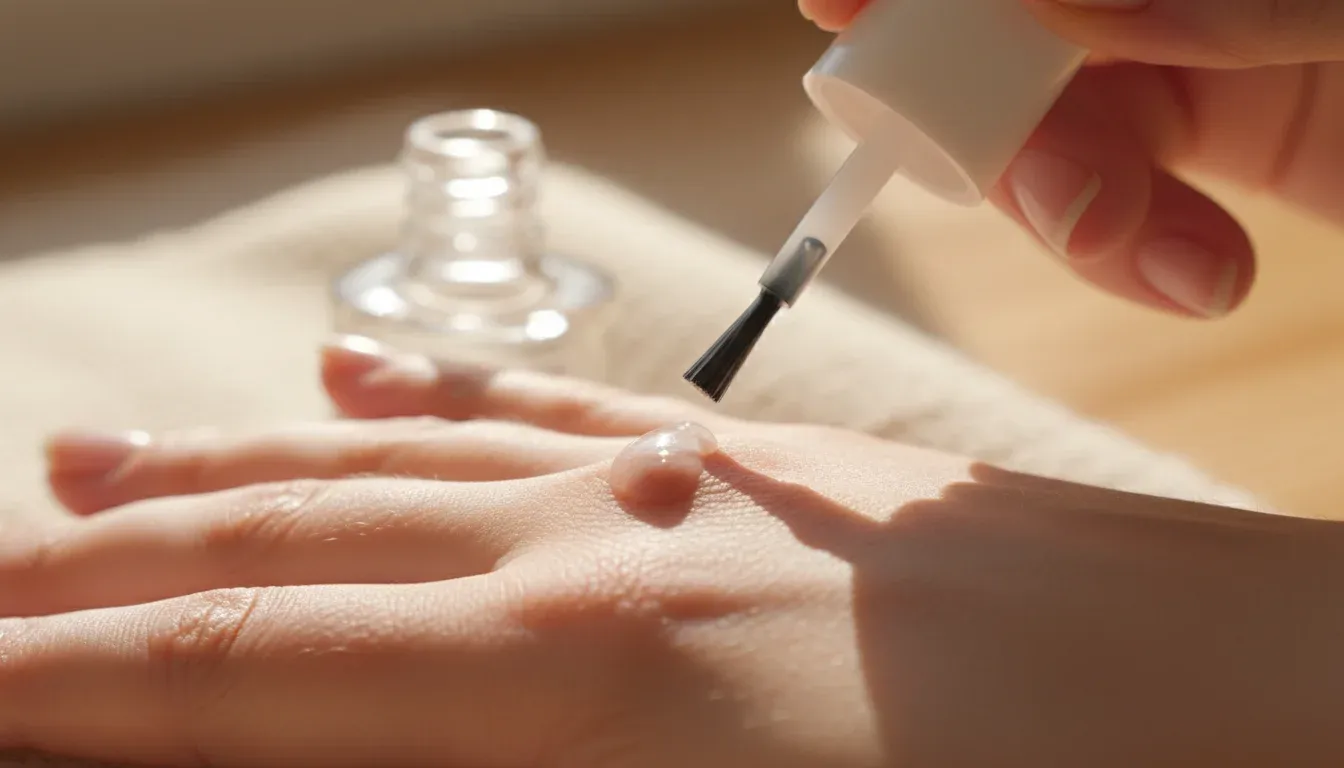
Coat the entire tag with clear nail polish. Let it dry completely, reapply 2-3 times daily. The polish suffocates the tag by blocking oxygen to the tissue.
Cheap and works surprisingly well for small tags. Takes 1-2 weeks of consistent application. The tag will dry out and fall off. Not elegant but effective.
7. Surgical Snipping (Professional)
A doctor numbs the area, snips the tag off with surgical scissors or a scalpel, done. Takes 5 minutes. They might apply an antibiotic ointment or cauterize the base to prevent bleeding.
This is the fastest method. You walk in with a skin tag, walk out without it. Insurance usually won’t cover it since it’s cosmetic, so expect to pay out of pocket. Costs vary but typically $100-300 depending on number and location.
8. Cryosurgery/Freezing with Liquid Nitrogen (Professional)
The doctor freezes the tag with liquid nitrogen. The extreme cold destroys the tissue. The tag darkens, dies, and falls off within 7-10 days.
More precise than home remedies, less immediate than surgical removal. May take two sessions for larger tags. Same deal with insurance, it’s cosmetic so you’re likely paying cash.
9. Electrocauterization (Professional)
The doctor uses an electrical current to burn through the tag’s base. Heat destroys the tissue and seals the blood vessels simultaneously, which prevents bleeding.
One and done. The tag is gone immediately. There might be a small scab that heals over the next week. Best for larger tags where you want clean removal without leaving a wound that needs stitches.
Don’t try DIY removal with scissors or nail clippers unless you enjoy bleeding and potential infection. Small tags might seem cuttable, but you’ll regret it when they bleed more than expected and potentially get infected.
If a tag changes color spontaneously (not from treatment), grows rapidly, bleeds on its own, or looks different from other tags, get it checked. Probably still just a tag, but better safe than misdiagnosed.