Table of Contents
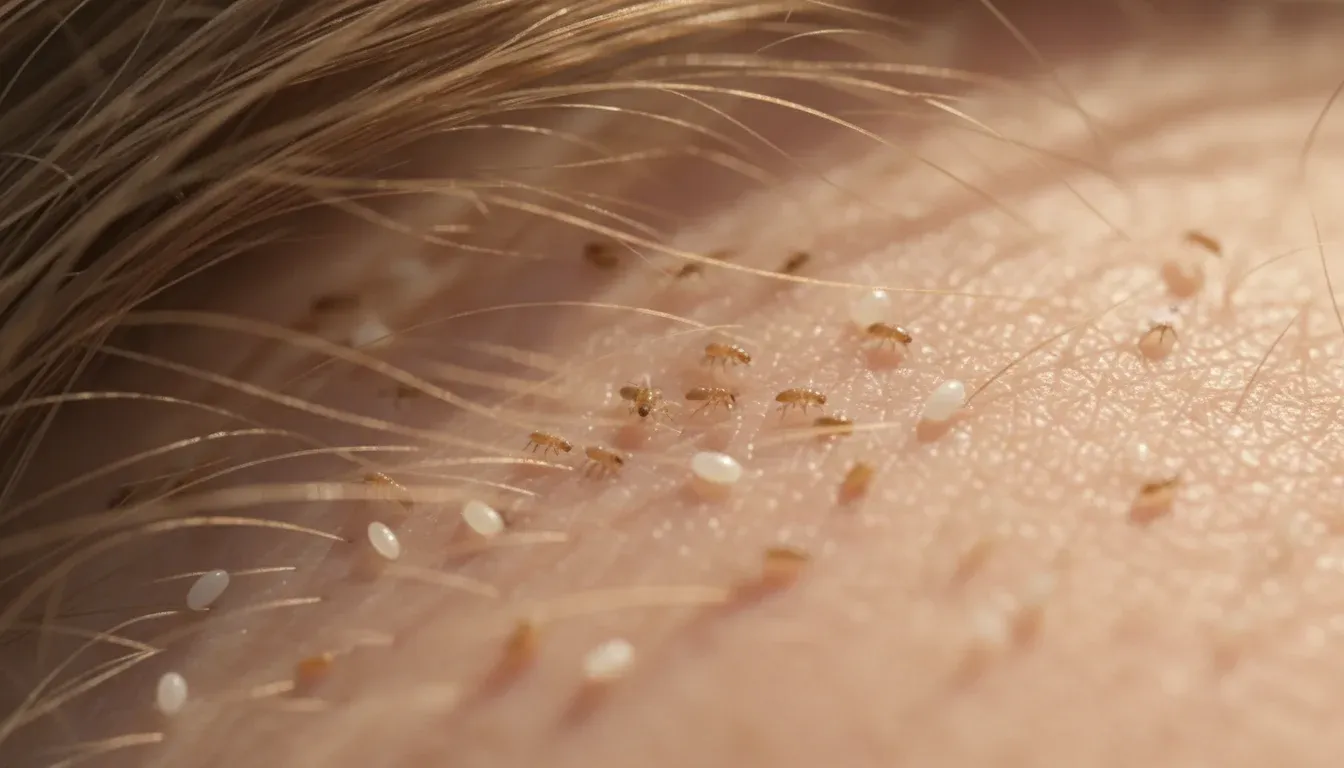
Head lice are tiny parasites that live on your scalp and feed on blood. They’re most common in kids but adults get them too. They don’t jump or fly, they crawl, and they spread through direct head-to-head contact.
You can’t wish them away. You need a systematic approach to kill the live bugs and remove the eggs (nits) they’ve glued to your hair shafts.
1. Wet Combing
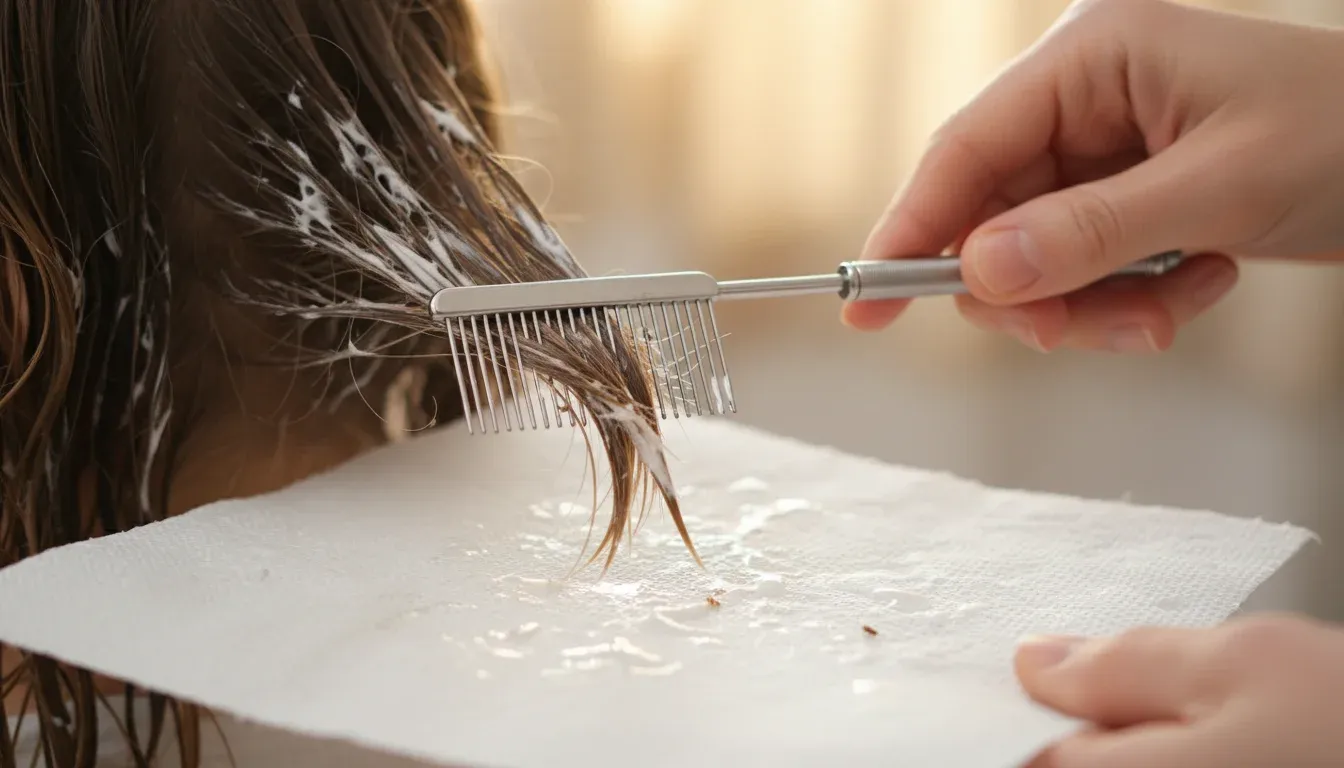
The mechanical approach. Wet hair stretches and slows the lice down, making them easier to catch.
Soak hair with conditioner (makes the comb glide), then work through small sections with a fine-toothed metal nit comb. Wipe the comb on a white paper towel after each stroke so you can see what you’re catching. Do this every few days for two weeks.
The advantage is zero chemicals. The disadvantage is it’s tedious and you need good lighting and patience.
2. Over-the-Counter Treatments
Products with permethrin (like Nix) or pyrethrin kill live lice. Follow the package directions exactly. Most require a second application 7-10 days later to catch any bugs that hatched after the first treatment.
These work best when you also comb out the dead lice and nits afterward. The chemicals don’t dissolve the glue holding nits to your hair.
Some lice populations have developed resistance to these ingredients. If you treat twice correctly and still see live bugs, move to another method.
3. Prescription Options
If OTC products fail, a doctor can prescribe stronger treatments like ivermectin lotion or spinosad suspension. These target lice that have developed resistance to permethrin.
Prescription treatments typically cost more but may work in fewer applications. You still need to comb out the dead nits.
4. Suffocation Methods
Products like dimethicone (like NYDA or LiceMD) work by coating lice and blocking their breathing holes. They’re less toxic than pesticide-based treatments and lice can’t develop resistance to suffocation.
Apply to dry hair, saturate completely, leave on for the recommended time (often several hours or overnight), then wash out and comb. Repeat in 7-10 days.
5. Essential Oil Treatments
Tea tree oil, neem oil, and lavender oil get mentioned in forums as natural alternatives. The research is thin. Some small studies show promise but they’re not as reliable as proven treatments.
If you try this route, dilute the oils in a carrier oil (coconut or olive) because undiluted essential oils can irritate skin. Leave on for several hours, then shampoo and comb thoroughly.
Don’t count on oils alone. Combine with wet combing.
6. Heat Treatment
Lice die at temperatures above 130°F (54°C). Professional heat devices like the AirAllé blow heated air onto the scalp to dehydrate lice and eggs. Some salons offer this service.
A regular hair dryer won’t do it. You need sustained heat at a specific temperature that only specialized devices provide.
Cleaning Your Environment
Lice can’t survive off a human head for more than 24-48 hours. You don’t need to fumigate your house.
Wash bedding, hats, and recently worn clothes in hot water (130°F+) and dry on high heat for at least 20 minutes. Vacuum furniture and car seats. Put items you can’t wash (like stuffed animals) in a sealed plastic bag for 2 weeks.
Don’t spray pesticides around your home. They won’t help and they add chemical exposure for no benefit.
Checking Everyone
If one person in your household has lice, check everyone’s head. Look for nits close to the scalp (they’re tan or white and stuck tight, not like dandruff that flakes off easily).
Live lice are tan or gray, move fast, and hide from light. They’re hard to spot. Nits are easier to find.
Treat everyone who has live bugs or nits. You don’t need to treat people as "prevention" if you don’t see evidence of infestation.
What Doesn’t Work
Mayonnaise, petroleum jelly, vinegar rinses, and other home remedies circulate endlessly online. They’re popular because they’re cheap. They’re not effective because lice can hold their breath for hours.
Vinegar may help loosen nit glue slightly but it won’t kill lice. You still need to comb.
When They Come Back
Reinfestation usually means someone your kid has contact with still has lice. Schools can notify families but they can’t force treatment.
Some people keep a nit comb on hand and check weekly during outbreaks. Catching a reinfestation early (when there are only a few bugs) makes it easier to stop.
Check with your school’s policy on nits. Some schools have "no nit" policies that keep kids home until every egg is removed, others allow kids back after treatment even if dead nits remain. Dead nits don’t hatch but they take weeks to grow out with the hair.