Table of Contents
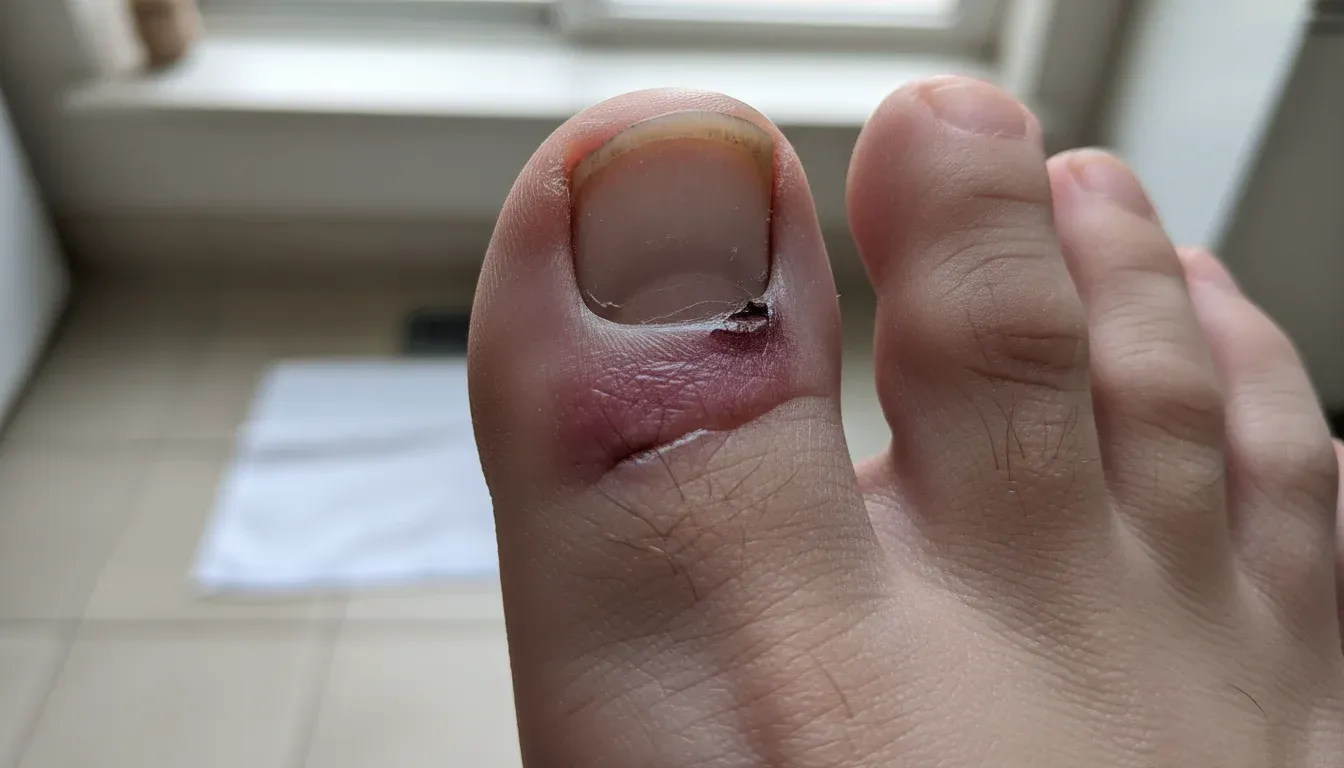
Ingrown toenails hurt. That corner of your nail digging into the skin isn’t just annoying, it makes wearing shoes miserable and turns every step into a reminder that your toe hates you.
You’ve got options that don’t involve a podiatrist appointment. Most ingrown toenails respond to home treatment if you catch them early enough (before the redness spreads or you see pus). Here’s what actually works.
1. Soak and lift the nail edge
Warm water softens everything and makes the nail easier to work with.
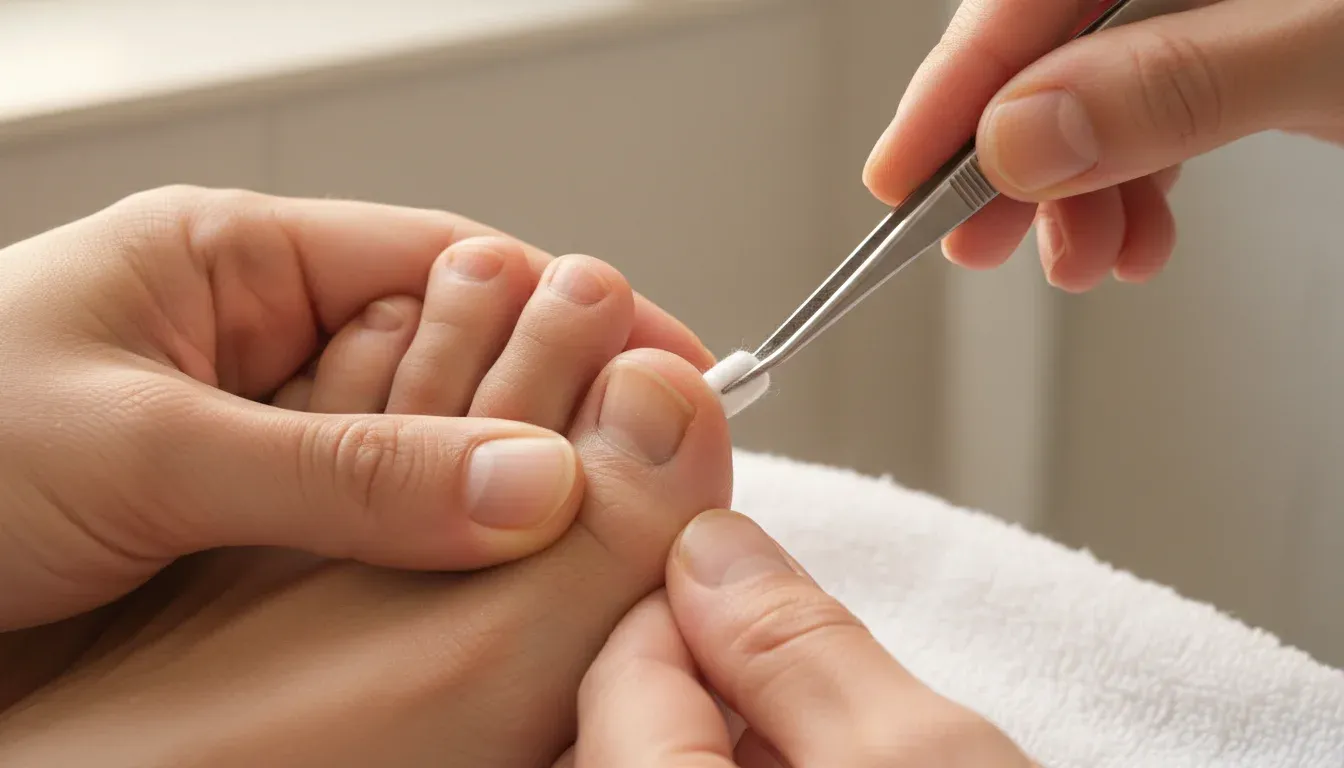
Fill a basin with warm water and soak your foot for 15-20 minutes, three times a day. After soaking, dry your foot completely. Take a small piece of cotton (dental floss works too, but cotton’s gentler), roll it into a tiny wick, and carefully slide it under the ingrown edge. You’re creating a barrier so the nail grows over the skin instead of into it.
Replace the cotton daily after each soak. This isn’t a one-and-done fix. You’ll need to keep at it for a week or two as the nail grows out.
2. Change how you cut your nails
Most ingrown toenails happen because we cut them wrong.
Cut straight across. Not rounded, not angled at the corners. The nail edge should extend slightly past where it meets the skin. If you cut too short or curve the edges, you’re basically inviting the nail to grow sideways into your toe instead of forward.
Use proper nail clippers, not scissors. And for the love of comfort, don’t tear or rip your nails. Clean cuts only.
3. Wear shoes that fit
Tight shoes squeeze your toes together and push the nail into the skin. If your shoes are cramping your toes, your toenails will punish you for it.
Switch to shoes with a wider toe box. Give your toes room to exist without constant pressure. This matters more than you’d think. Even if you’re doing everything else right, tight shoes will undo all that progress.
4. Apply antibiotic ointment
If the skin around your ingrown toenail is red or tender, antibiotic ointment helps prevent infection while you work on fixing the nail itself.
Dab a small amount on the affected area after each soak and cotton placement. Cover it with a bandage to keep it clean. This won’t fix the ingrown nail, but it keeps things from getting worse while the nail grows out.
5. Try toe protectors or splints
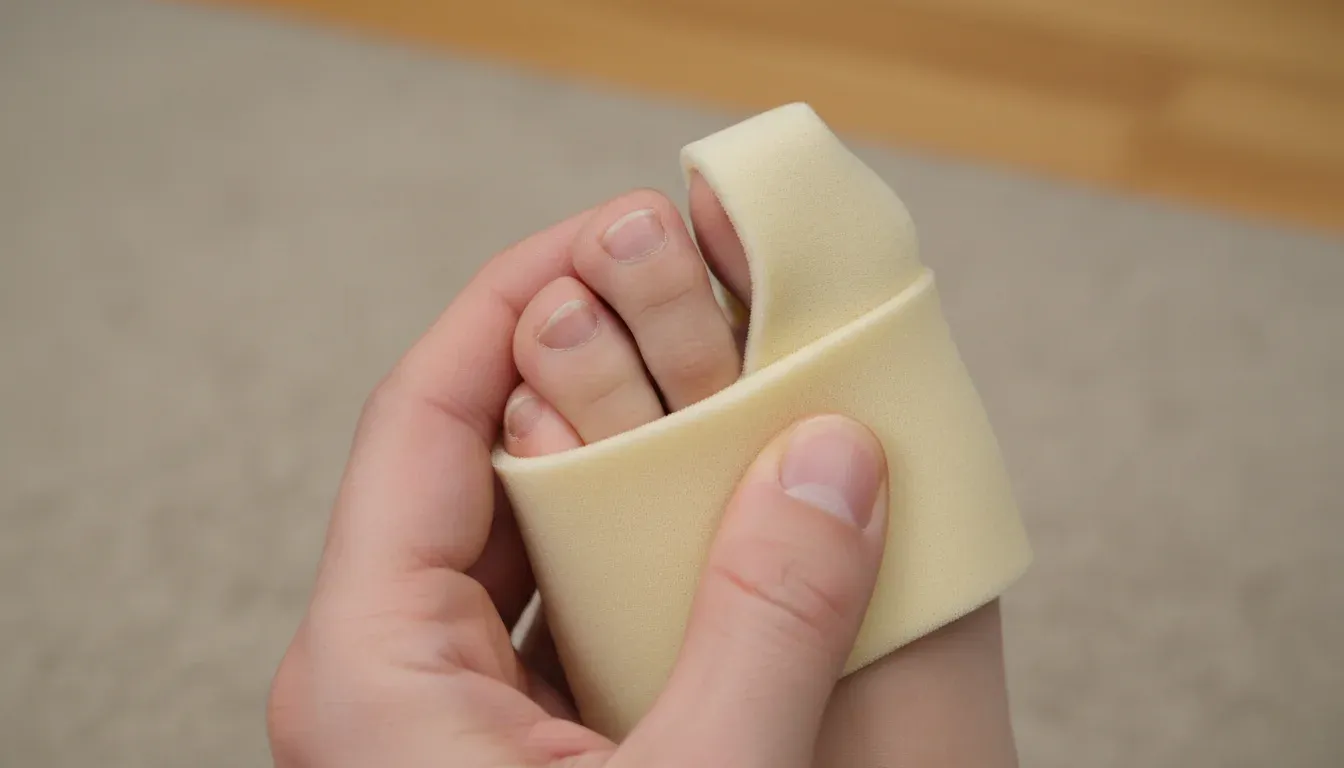
Pharmacies sell foam pads and toe splints designed specifically for ingrown toenails. They cushion the area and some types physically hold the skin away from the nail edge.
Slip them on like a tiny tube over your toe. They won’t cure the problem, but they make walking bearable while you’re treating it. Worth the few dollars if you’re on your feet all day.
When to stop treating this yourself: if you see pus, if the redness spreads, if you have diabetes or circulation issues, or if home treatment hasn’t helped after two weeks. At that point you need actual medical treatment, not internet advice.