Table of Contents
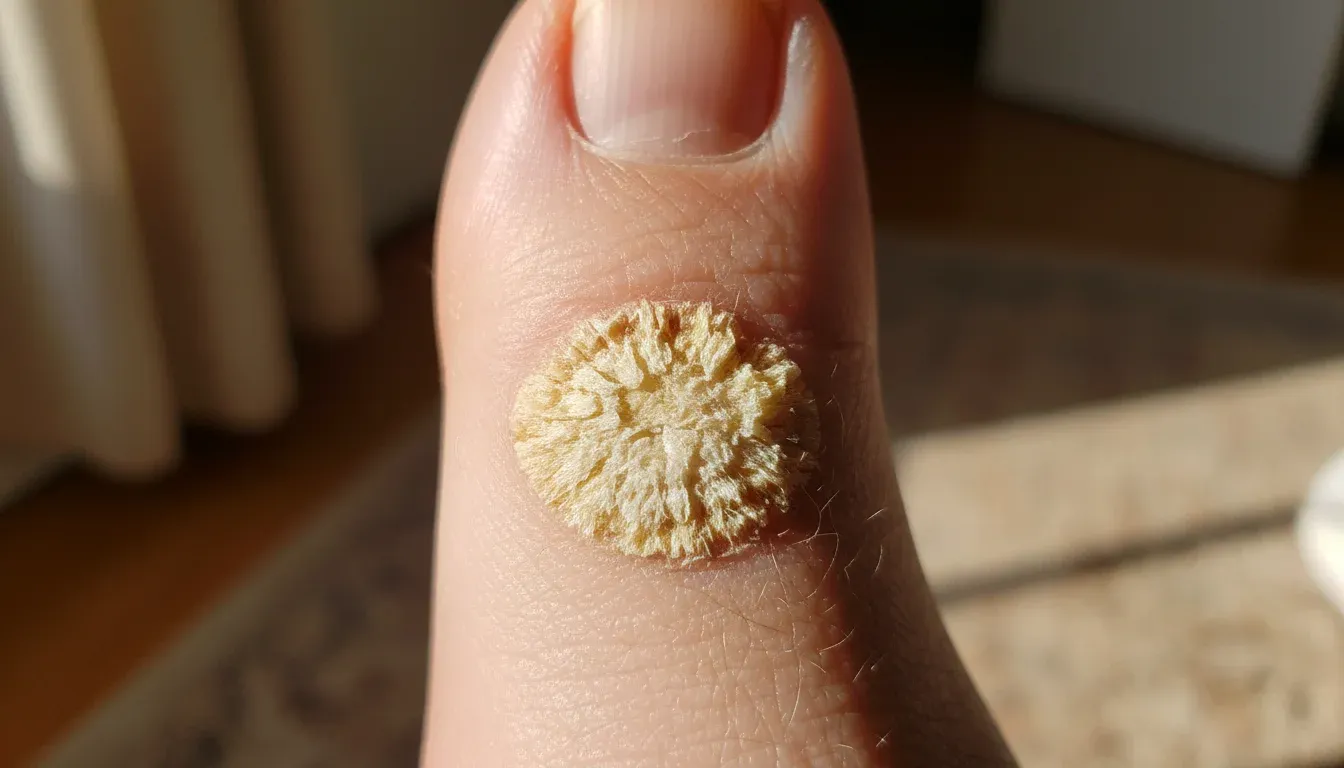
Corns are basically your skin’s passive-aggressive way of telling you your shoes don’t fit. They’re thick, hardened spots that form where there’s repeated pressure or friction, usually on your toes or the balls of your feet. Not quite as dramatic as bunions, but still annoying enough to make you wince every time you walk.
The good news is most corns respond well to home treatment. The bad news is they’ll keep coming back if you don’t fix whatever’s causing them in the first place.
1. Soak and file them down
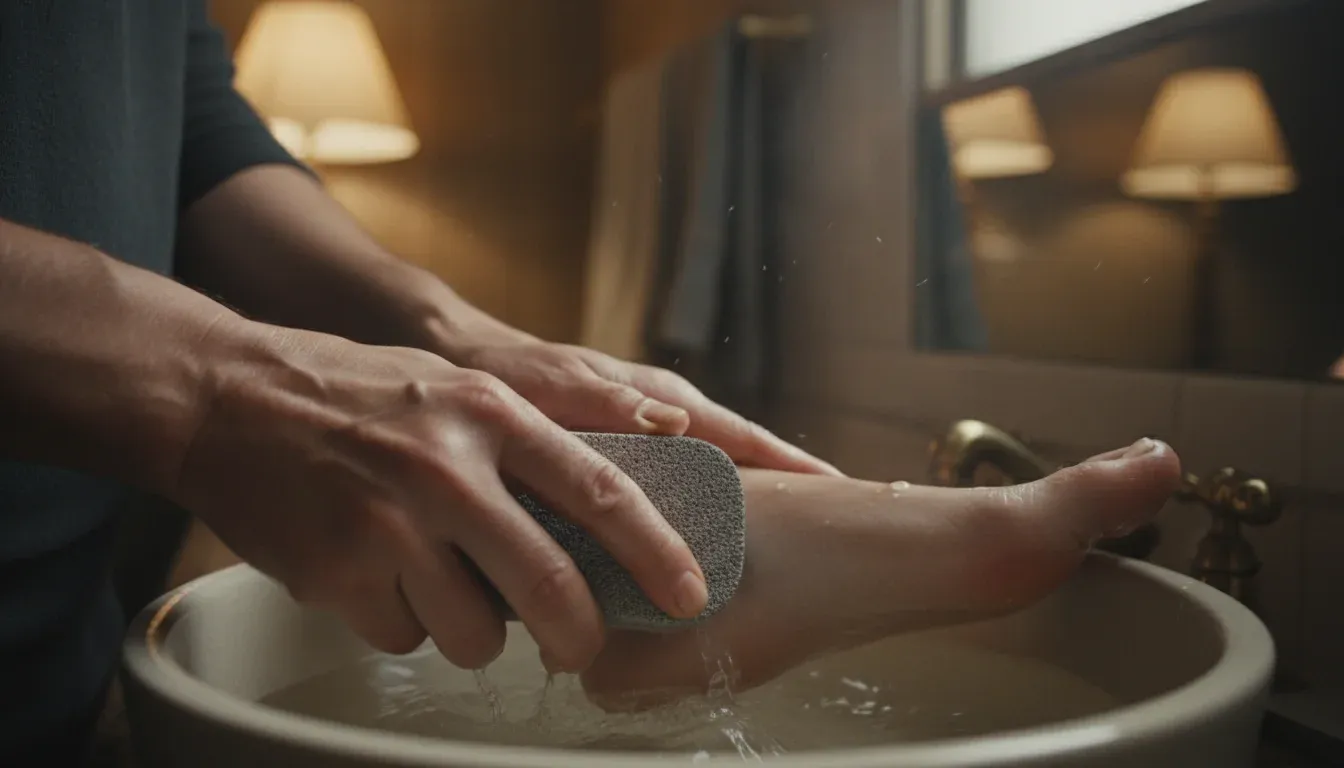
Start simple. Soak your feet in warm water for 10-15 minutes to soften the dead skin, then use a pumice stone or foot file to gently work away at the corn. Key word: gently. You’re not sanding furniture here.
Do this every few days and you’ll gradually reduce the thickness. Don’t try to remove the whole thing in one aggressive session. That’s how you end up with raw, painful skin that’s worse than the corn.
2. Use salicylic acid pads
These are the medicated corn pads you see at the pharmacy. Salicylic acid breaks down the thick skin gradually, making it easier to remove. Follow the package directions (usually you wear them for a day or two, then soak and file).
Don’t use these if you’re diabetic or have poor circulation. The acid can cause irritation that becomes a bigger problem than the corn itself.
3. Wear properly fitted shoes
This is the part nobody wants to hear, but it’s the most important one. If your shoes are too tight, too loose, or shaped wrong for your feet, you’ll keep getting corns no matter what else you do.
Go get your feet measured properly. Not the size you wore five years ago, the size you are now. Feet change. And if a shoe pinches or rubs, don’t buy it hoping it’ll break in. It won’t. Your foot will break first.
4. Apply moisturizer religiously
Thick, dry skin is more likely to form corns. Keep your feet moisturized with a good foot cream or even just plain petroleum jelly. Apply it at night, put on socks, and let it soak in while you sleep.
Won’t get rid of existing corns by itself, but it helps prevent new ones and makes the ones you have easier to manage.
5. Get padding or orthotics
If you have foot shape issues (high arches, hammertoes, bunions), you’re more prone to corns because your feet hit your shoes in weird spots. Foam padding, silicone toe sleeves, or custom orthotics can redistribute pressure and keep corns from forming.
You can find basic padding at any pharmacy. If that doesn’t work, a podiatrist can fit you for proper orthotics.
6. See a podiatrist for removal
If home treatment isn’t working, or if the corn is painful enough that you’re limping around, get it professionally removed. A podiatrist can trim it down properly with a scalpel (sounds scary, but it’s quick and not as bad as you’d think), or in some cases inject it with cortisone to reduce inflammation.
They can also figure out what’s causing it and fix the underlying problem. Sometimes it’s as simple as "stop wearing those shoes." Sometimes it’s more complicated.
Don’t try to cut corns off yourself with scissors or a razor blade. That’s a good way to end up with an infection and a much worse problem than you started with.