Table of Contents
PMS (premenstrual syndrome) hits anytime between ovulation and menstruation, during what’s called your luteal phase. The usual lineup is bloating, intense hunger, acne, anxiety, mood swings. The root cause is typically excess estrogen paired with low progesterone and some key micronutrient gaps.
Diet changes are the most effective way to manage PMS long-term. Add these five foods to your regular rotation for three months and you’ll likely see a real difference. These aren’t quick fixes, they’re hormone-rebalancing staples that work over time.
1. Leafy Greens
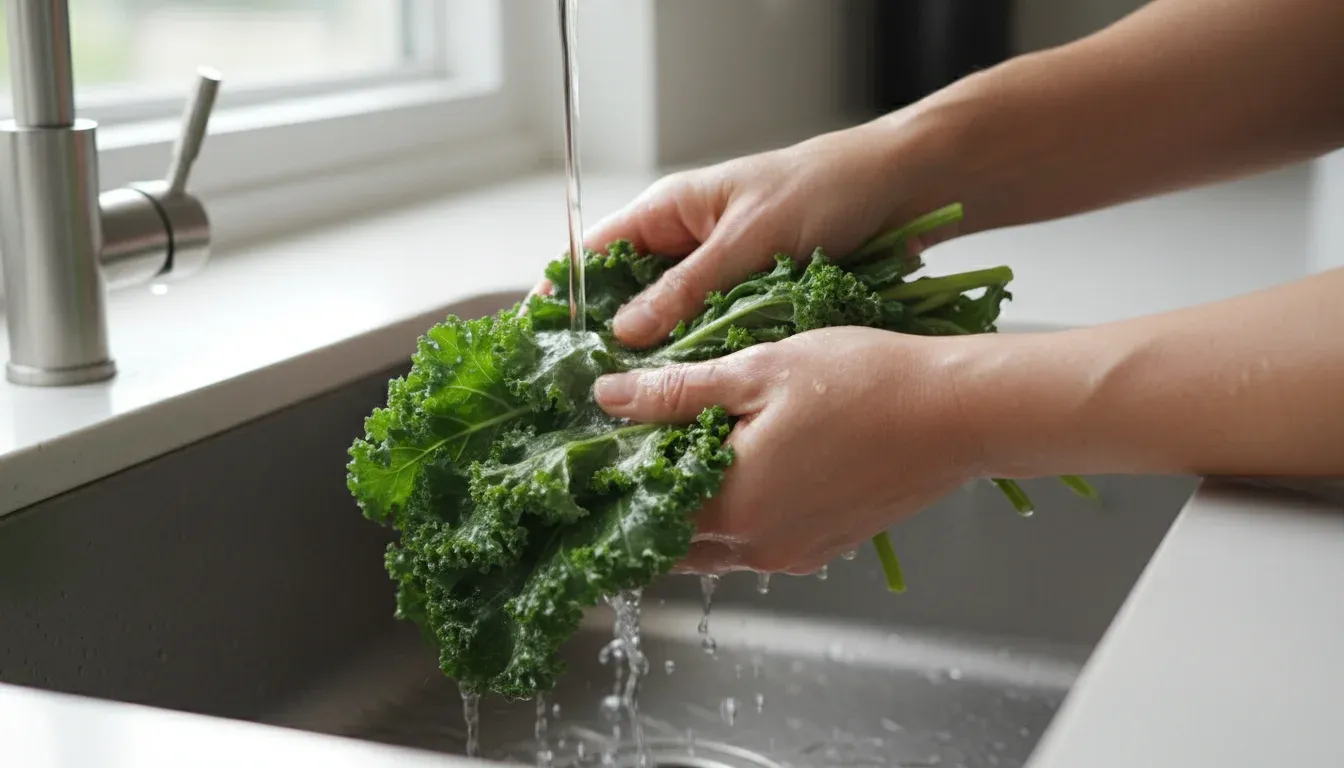
Kale, spinach, swiss chard. They’re loaded with magnesium, which most people are deficient in anyway. Magnesium helps reduce cramps, stabilizes mood, and counteracts bloating. Aim for at least one big serving daily during your luteal phase (or just eat them all month).
Add them to smoothies if you can’t face another salad. Sauté a bunch with garlic. Whatever gets them in.
2. Sweet Potatoes
Complex carbs that don’t spike your blood sugar. Sweet potatoes give you steady energy and help your body produce serotonin, which keeps mood swings in check. They’re also packed with B6, which supports progesterone production.
Roast a batch at the start of the week. Eat them with everything.
3. Coconut Yogurt
Dairy can worsen PMS symptoms for some people because it may interfere with magnesium absorption. Coconut yogurt gives you probiotics (good for estrogen metabolism) without the dairy drawbacks. Look for unsweetened versions to avoid blood sugar spikes.
Add berries and a handful of pumpkin seeds for extra magnesium and zinc.
4. Chickpeas
High in B6 and fiber. The fiber helps your body clear out excess estrogen through your digestive system (you need regular bowel movements for this to work properly). The B6 supports neurotransmitter production, which means better mood regulation.
Roast them crispy for snacking or mash them into hummus. Easy to add to basically any meal.
5. Bone Broth
Rich in glycine and other amino acids that support liver function. Your liver processes and clears excess estrogen, so keeping it functioning well matters. Bone broth also provides minerals in an easily absorbable form.
Sip a mug in the evening or use it as a soup base. Homemade is best but store-bought works if it’s actually made from bones (not just "broth-flavored water").
The key is consistency. Eating these foods once won’t fix PMS. But build them into your regular diet and you’re giving your body the raw materials it needs to balance hormones naturally. Most people see noticeable improvement within two to three cycles.