Table of Contents
Chronic pain is the uninvited guest that never leaves. It affects your sleep, your mood, your ability to do basic things without wincing. And people who don’t have it rarely understand why you can’t just push through.
This is YMYL territory, so we’re not diagnosing anything or replacing your doctor. What we’re covering here are practical, non-medical approaches to managing daily discomfort and the social fallout that comes with it.
1. Heat Therapy
Warmth increases blood flow and relaxes tight muscles. Use a heating pad, hot water bottle, or take a warm bath (not scalding hot).
Best for: dull, achy pain in muscles and joints. Less effective for sharp or nerve pain.
Time it: 15-20 minutes at a time, multiple times a day if needed. Don’t fall asleep with heat on – burns happen.
2. Cold Therapy
Ice reduces inflammation and numbs sharp pain. Wrap ice packs in a thin towel (never directly on skin) and apply to the problem area.
Best for: acute flare-ups, swelling, or inflammatory pain. Not great for stiff joints that need loosening.
Alternate: Some people swear by alternating heat and cold. Three minutes hot, one minute cold, repeat. Your mileage will vary.
3. Gentle Movement
Counterintuitive when everything hurts, but total rest usually makes things worse. Gentle stretching, slow walks, or swimming (water supports your body weight) can prevent stiffness without aggravating pain.
Start small: Five minutes of movement is better than zero. Add a minute each day if you can tolerate it.
The catch: There’s a line between helpful movement and overdoing it. You’ll need to find yours through trial and error.
4. Sleep Positioning
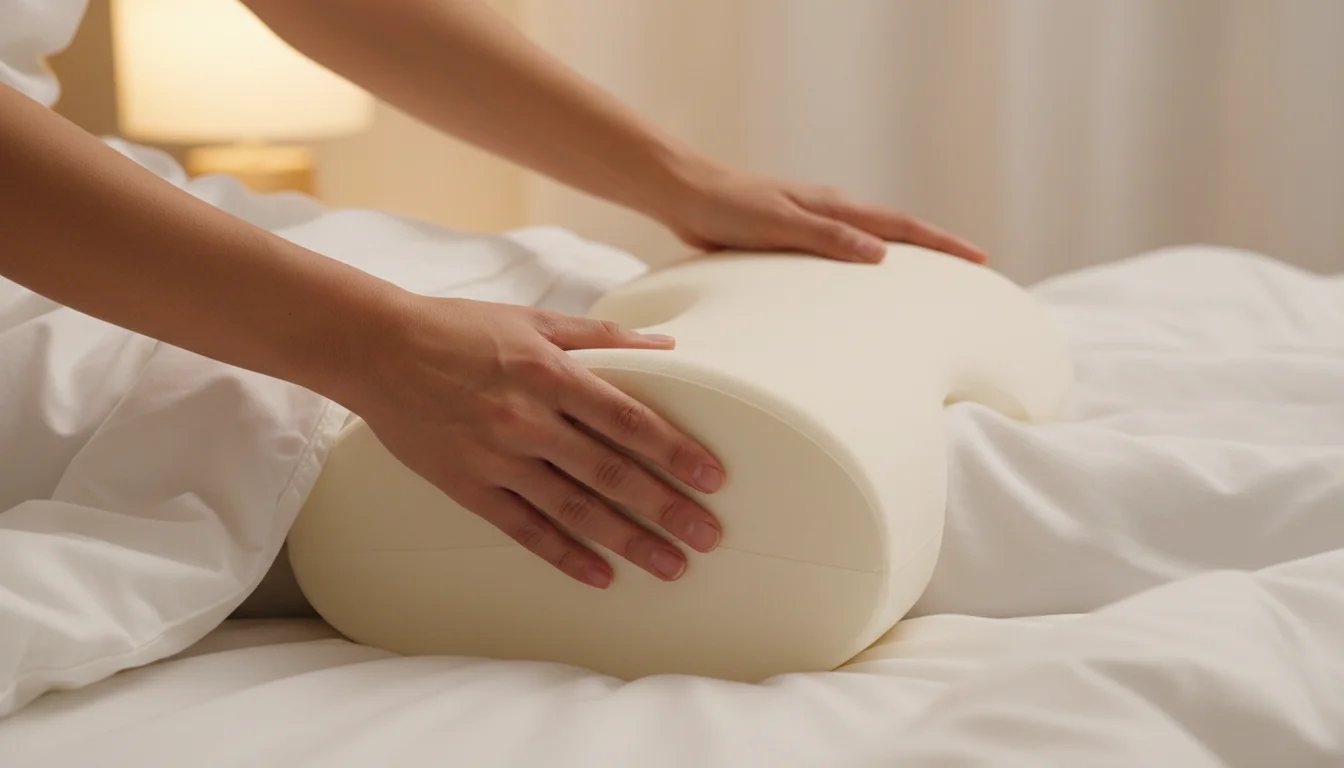
Bad sleep position multiplies pain. Back sleepers should put a pillow under their knees. Side sleepers need one between their knees. Stomach sleeping is generally terrible for neck and back pain but if that’s your only position, slip a pillow under your hips.
Pillow quality matters: A flat, dead pillow does nothing. Invest in something that actually supports your neck.
5. Stress Management
Stress tightens muscles and amplifies pain perception. This isn’t woo-woo nonsense – it’s documented physiology. When you’re stressed, your pain threshold drops.
What actually works: Deep breathing (slow inhale through nose, longer exhale through mouth), progressive muscle relaxation (tense and release each muscle group), or just doing something that genuinely distracts you.
What doesn’t: Telling yourself to stop being stressed. That’s not how brains work.
6. Topical Treatments
Creams with menthol, capsaicin, or lidocaine create a local numbing or warming effect. They’re not going to cure anything, but they can take the edge off for a few hours.
Application matters: Clean, dry skin. Rub it in completely. Wash your hands after or you’ll regret touching your face.

7. Social Strategies
This is the part no one talks about. Chronic pain makes you cancel plans, decline invitations, and eventually people stop asking. That isolation makes everything worse.
Be direct: "I can’t commit to a full day but I can do two hours" beats "maybe" and then bailing. People appreciate knowing where they stand.
Find your people: Online communities of others dealing with chronic pain understand what you’re going through. That validation helps more than you’d think.
Set boundaries: You don’t owe everyone an explanation of your pain levels. "I’m not up for that today" is a complete sentence.
The goal isn’t to make pain disappear (if only). It’s to reduce it from unbearable to manageable, and to prevent it from destroying your entire life in the process.