Table of Contents
Those pincers look terrifying, but earwigs are mostly harmless. They don’t bite (well, rarely), they don’t spread disease, and they won’t damage your home. What they will do is show up in your bathroom at 2 AM and make you question every life choice that led to this moment. If you’re figuring out how to get rid of earwigs, the key fact is this: they need moisture and darkness. Remove those two things and they have no reason to stick around. Here are 13 methods that work, from quick kills to long-term prevention. (Many of these overlap with other moisture-loving pests – see our guides for silverfish and cockroaches if you’re dealing with those too.)
1. Vacuum Them Up
The fastest way to deal with visible earwigs. Grab a handheld vacuum and suck them up from baseboards, bathroom corners, and wherever they’re clustering. Empty the vacuum into a sealed bag immediately and toss it in the outdoor trash. Don’t leave dead earwigs in the vacuum – they’ll attract other pests. This is a triage move, not a solution. It handles what you can see while the methods below handle what you can’t.
2. Soapy Water Bucket
Mix a few squirts of dish soap into a gallon (3.8 L) of water in a bucket. Place it near where you’ve seen earwigs at night. They’re drawn to moisture, crawl in, and the soap breaks the water’s surface tension so they sink and drown. Check it in the morning. This works better outdoors than indoors (nobody wants a bucket of soapy bug water in their hallway). Refresh every couple days.
3. Oil Trap (Soy Sauce + Oil)
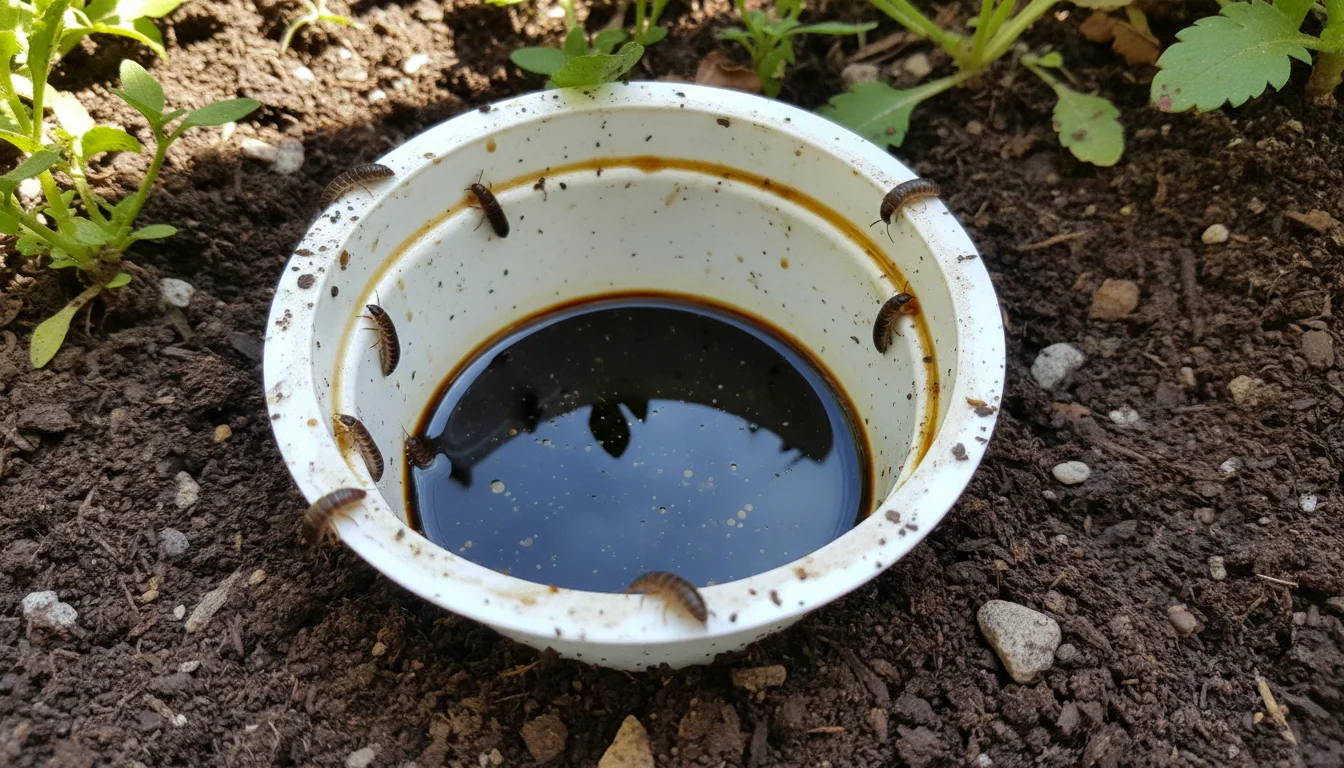
Take an old yogurt tub, pour in half an inch of soy sauce, add a tablespoon of vegetable oil on top. Earwigs are drawn to the soy sauce smell, climb in, and the oil layer traps them. Bury the container so the rim sits level with the soil near your foundation or garden beds. Check every morning and dump it. More targeted than the soapy water method and weirdly satisfying.
4. Garden Trap (Bamboo or Hose Sections)
Cut old garden hose or bamboo stakes into 6-8 inch (15-20 cm) sections. Scatter them around garden beds and near the foundation. Earwigs crawl inside at dawn looking for a dark, damp hiding spot. In the morning, pick up the sections and shake the earwigs into soapy water. Reset the traps. Costs nothing and works as long as you’re consistent about checking them daily.
5. Apply Diatomaceous Earth
Food-grade diatomaceous earth (DE) is a fine powder made from fossilized algae. Under a microscope it looks like broken glass. Earwigs walk through it, the particles shred their waxy exoskeletons, and they dehydrate within 48 hours. Dust it into cracks, along baseboards, around garden bed edges, and anywhere earwigs travel. Reapply after rain. Buy food-grade only – pool-grade is heat-treated and dangerous to breathe. Even with food-grade, wear a dust mask during application.
6. Seal Entry Points
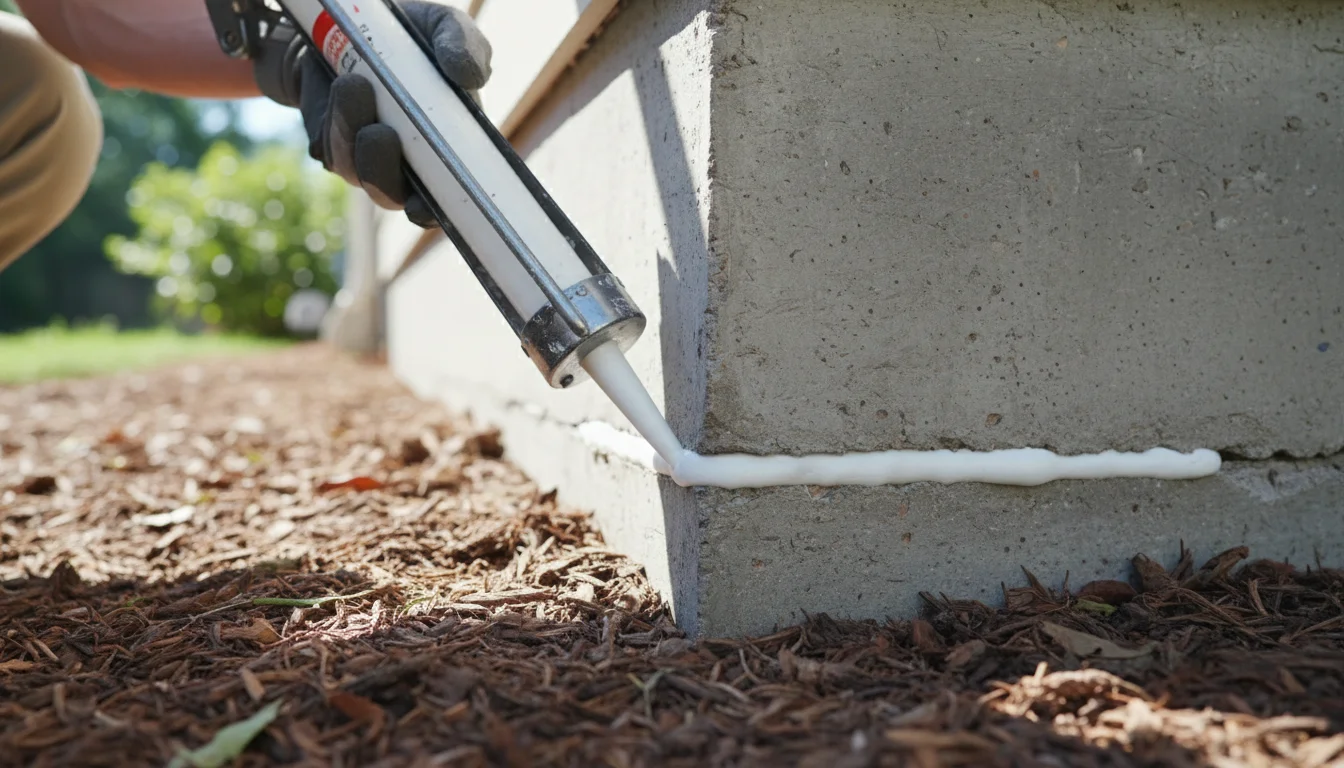
Earwigs squeeze through surprisingly small gaps. Inspect windows, doors, utility penetrations, and where siding meets trim. Seal cracks with silicone caulk, add weatherstripping to doors and windows, and use foam sealant for larger gaps around pipes and cables. Check the foundation especially. That hairline crack you’ve been ignoring is an earwig highway. This doesn’t kill the ones already inside, but it stops the resupply.
7. Fix Leaks and Eliminate Moisture
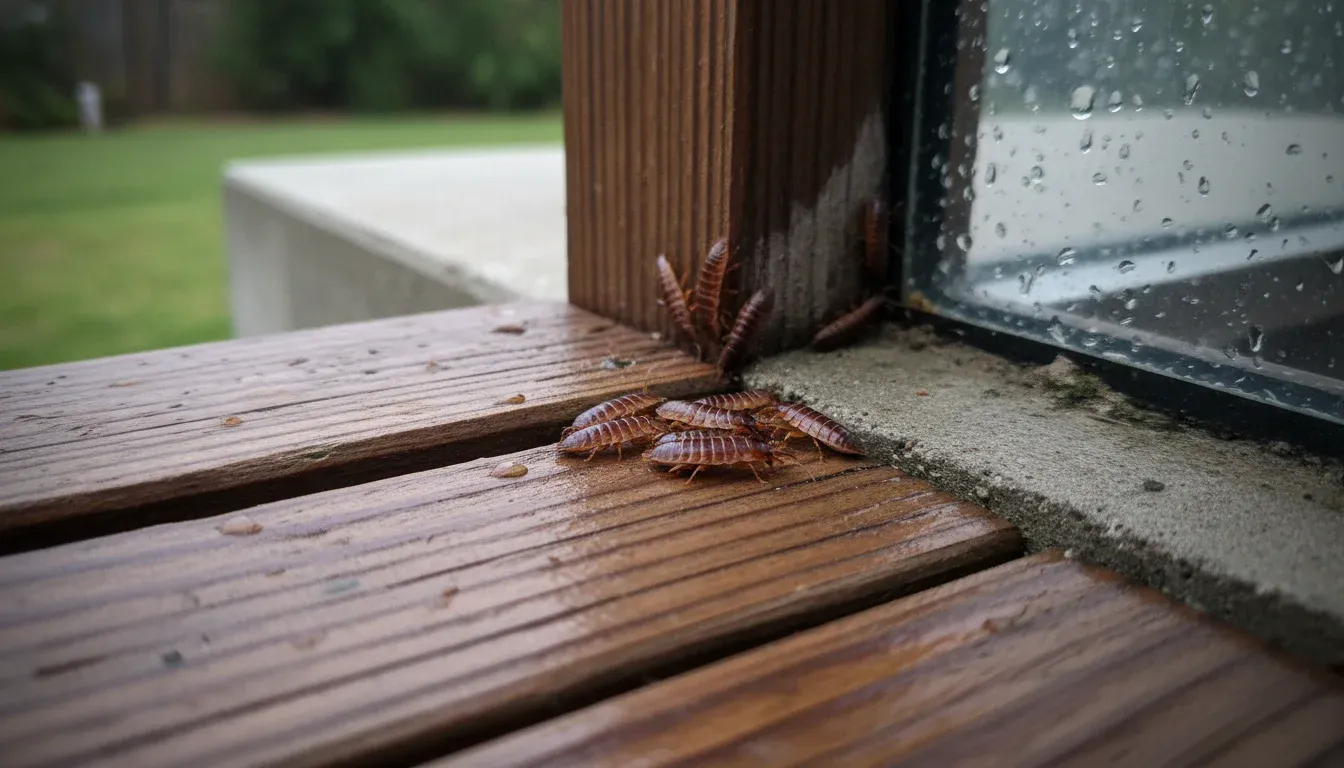
Earwigs need moisture to survive. A dripping faucet, a slow pipe leak under the sink, condensation around windows – all of it is an invitation. Fix leaks immediately. Run a dehumidifier in damp basements. Improve ventilation in bathrooms. Wipe up standing water around the dishwasher. Eliminating moisture removes half the reason earwigs target your home in the first place.
8. Pull Back Mulch and Debris from the Foundation
Wood mulch retains moisture and gives earwigs a perfect habitat right next to your house. Create a 12-inch (30 cm) bare zone between mulch and your foundation. Stone or gravel works better than wood chips for landscaping near the house. Stack firewood at least 20 ft (6 m) away and off the ground. Leaf piles, grass clippings, and yard debris near the foundation create nesting sites that migrate indoors when conditions change.
9. Clear Out Dark Hiding Spots
Earwigs love dark, damp cover. Wood piles against the house, stacked pots, old logs, landscape timbers, anything that creates a cool shady pocket near your foundation. Move it all away or get rid of it. Check for cracks in pathways and patch them. Earwigs camp out in those cracks during the day and raid your house at night. Less real estate for them means fewer earwigs period.
10. Attract Natural Predators
Birds eat earwigs. So do toads and ground beetles. Set up a bird bath and a feeding station in your garden. You’ll attract birds that handle the earwig problem for free. A single wren can eat hundreds of insects per day. Leaving a shallow dish of water in a shady garden corner attracts toads, another earwig predator. This is slow but compounds over time with zero effort.
11. Apply Bifenthrin Spray
Bifenthrin is a synthetic pyrethroid that kills earwigs on contact and creates a residual barrier lasting weeks. Spray around door frames, window casings, foundation cracks, and other entry points. Also works in crawl spaces and along baseboards for active indoor infestations. Follow label dilution rates. One application usually handles it, but reapply if new activity appears after three weeks. Don’t spray on edible plants. Wear gloves and keep pets away until dry.
12. Use Boric Acid Dust
Less harsh than synthetic sprays but still effective. Dust boric acid in cracks, behind appliances, along baseboards, and anywhere earwigs travel indoors. It sticks to their bodies and poisons them when they groom. Slower than spray insecticides (days instead of hours) but safer around kids and pets. Apply a light dusting only – thick piles just get tracked around. Keep it dry or it clumps and stops working.
13. General Insecticide Spray
If you’re dealing with a serious infestation and don’t want to pick specific chemicals, a general insecticide labeled for crawling insects works. Spray around entry points, along baseboards, and wherever you’ve seen earwigs. Read the label and follow it – some sprays create a residual barrier that lasts weeks with one application. Keep the house clean alongside treatment: vacuum weekly, wipe down counters, don’t let clutter pile up. Earwigs want the same conditions indoors that they want outdoors. Deny them that and the spray does the rest.
What Causes Earwig Infestations
Moisture. That’s the short answer. Earwigs need damp environments to survive, and they’ll follow moisture gradients straight into your home through foundation cracks, door gaps, and utility penetrations. Outside, they nest under mulch, rocks, logs, and anything that stays cool and wet. They don’t eat your house or your food (they prefer decaying organic matter and occasionally nibble on plant leaves). If you’re seeing earwigs indoors, it almost always means you have a moisture problem, a gap problem, or both.
Prevention
Keep a dry perimeter. Fix leaks the day you notice them. Run a dehumidifier in the basement. Pull mulch back from the foundation. Seal every crack you can find. Check under sinks and around toilets monthly for hidden moisture. These small maintenance habits are worth more than any spray.
Frequently Asked Questions
How do I get rid of earwigs permanently?
Seal entry points, eliminate moisture sources, and maintain a bare zone around your foundation. There’s no one-time fix since new earwigs can always wander in from outdoors. But consistent prevention keeps them from establishing.
Why shouldn’t you kill earwigs?
Earwigs are actually beneficial in gardens. They eat aphids, mites, and decaying organic matter. If they’re only in your garden and not your house, they’re doing more good than harm.
What are earwigs a warning of?
Moisture problems. If earwigs are showing up indoors, you likely have a leak, poor drainage, or excessive humidity somewhere. Fix that and the earwigs leave on their own.
What makes earwigs stay away?
Dry conditions and sealed entry points. They also dislike cedar oil, which can be sprayed around entry points as a repellent.