Table of Contents
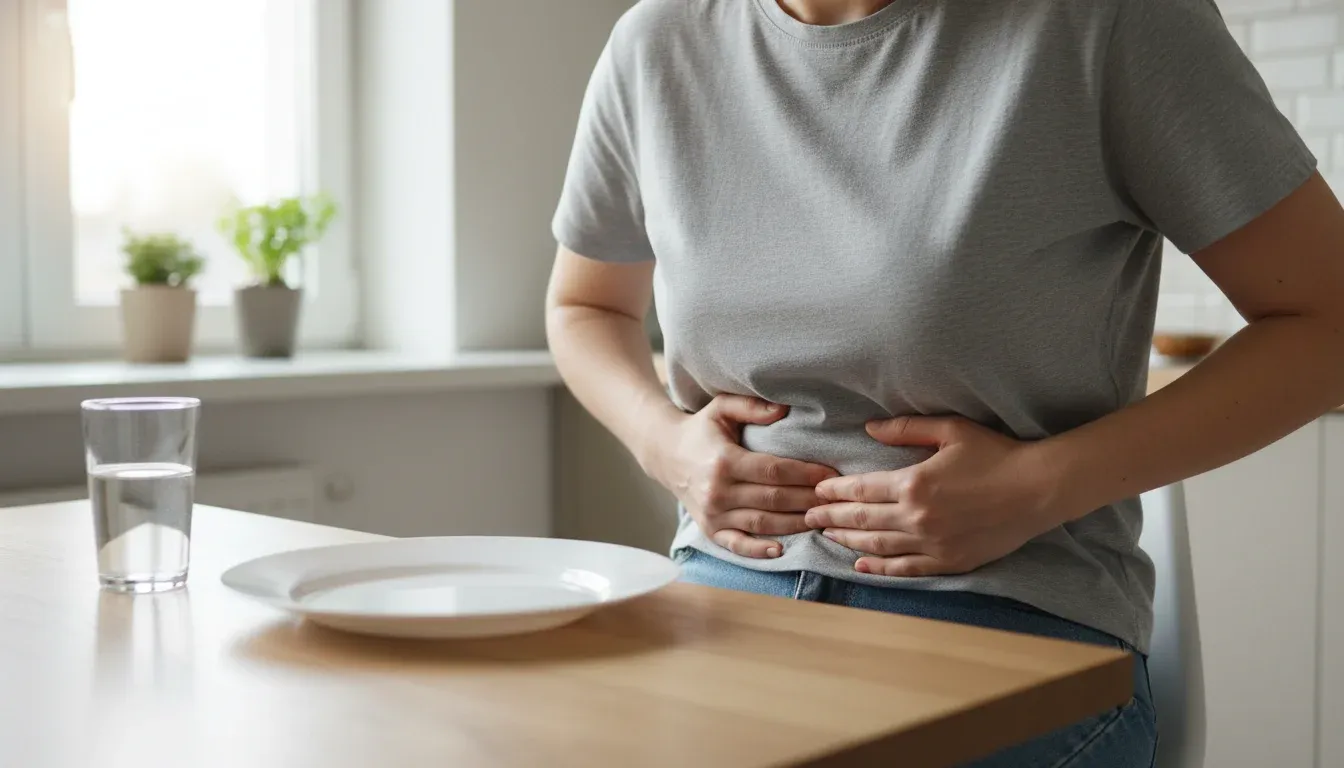
Gas is awkward at best and painful at worst. The bloated feeling in your gut ranges from mildly uncomfortable to legitimately cramping. You can either deal with the cause or just treat the symptoms.
1. Diet
What you eat directly controls how much gas you produce. Dairy (milk, cheese, yogurt) is the biggest culprit for most people. Beans are a close second. Some vegetables (broccoli, Brussels sprouts, cabbage) also trigger it.
Track what you eat for a week and note when you get bloated. The pattern will show up fast. Cut back on the foods that consistently cause problems.
Also skip carbonated drinks and anything fatty. High-fiber foods can help digestion long-term but might cause gas initially as your gut adjusts.
2. Mobilizing

Walking after meals moves things along. A 10-15 minute walk at normal pace helps your digestive system process food instead of letting it sit there fermenting.
Don’t lie down right after eating. That makes it worse.
3. Over-the-Counter Products
Gas-X and Beano work. You can grab them at any pharmacy or grocery store. Gas-X breaks up gas bubbles already in your system. Beano prevents gas from forming in the first place (take it before eating trigger foods).
Follow the directions on the label. These are fast fixes when you need relief now.
4. Routine Check-up
Persistent gas (especially if it’s painful or comes with other symptoms) might signal something bigger. See your doctor if changing your diet and moving more doesn’t help within a couple weeks.
Regular checkups every 6-12 months catch problems before they get worse.