Table of Contents
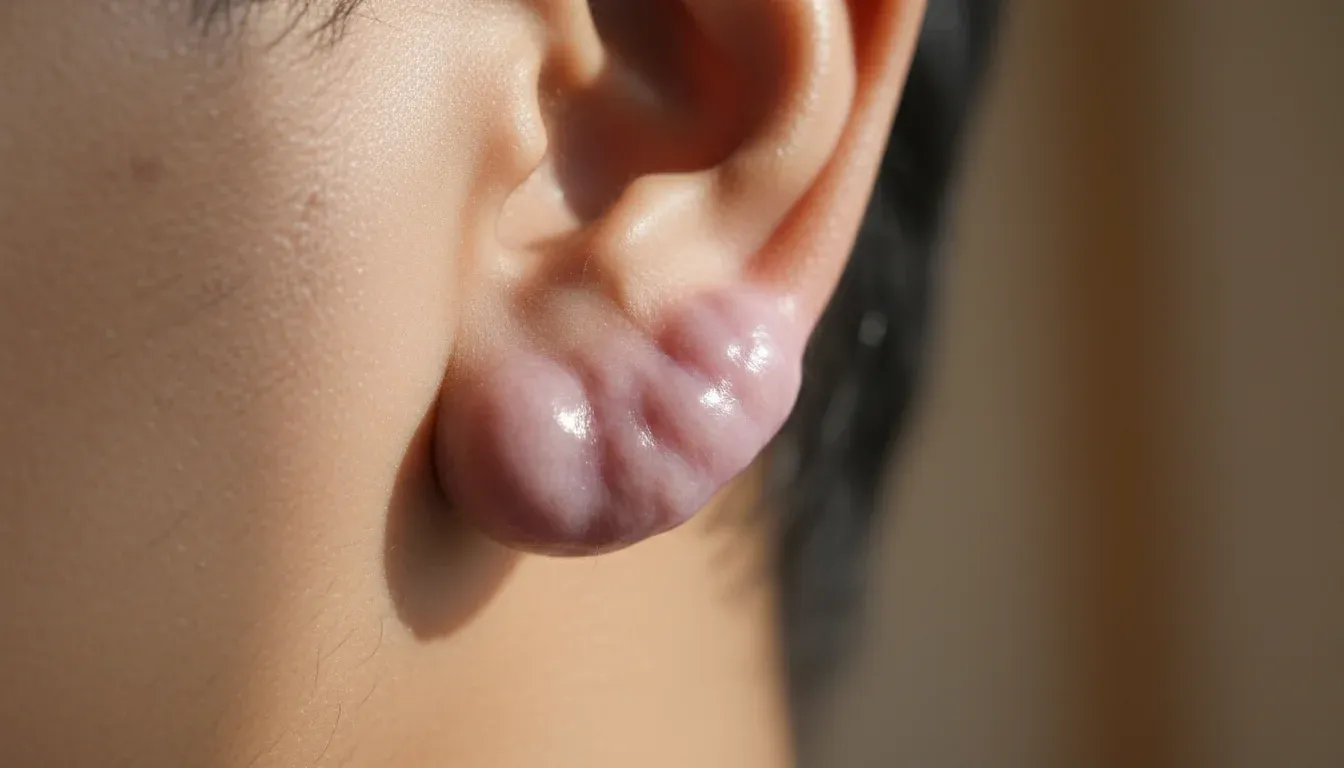
Keloids are raised scars that grow beyond the original wound site. They’re not dangerous, but they’re stubborn and visible, which is why people want them gone.
You can’t fix keloids with home remedies alone. The scar tissue is too dense and organized for lemon juice or tea tree oil to make a dent. But there are legitimate options that range from "worth trying" to "requires a dermatologist."
1. Silicone Gel Sheets
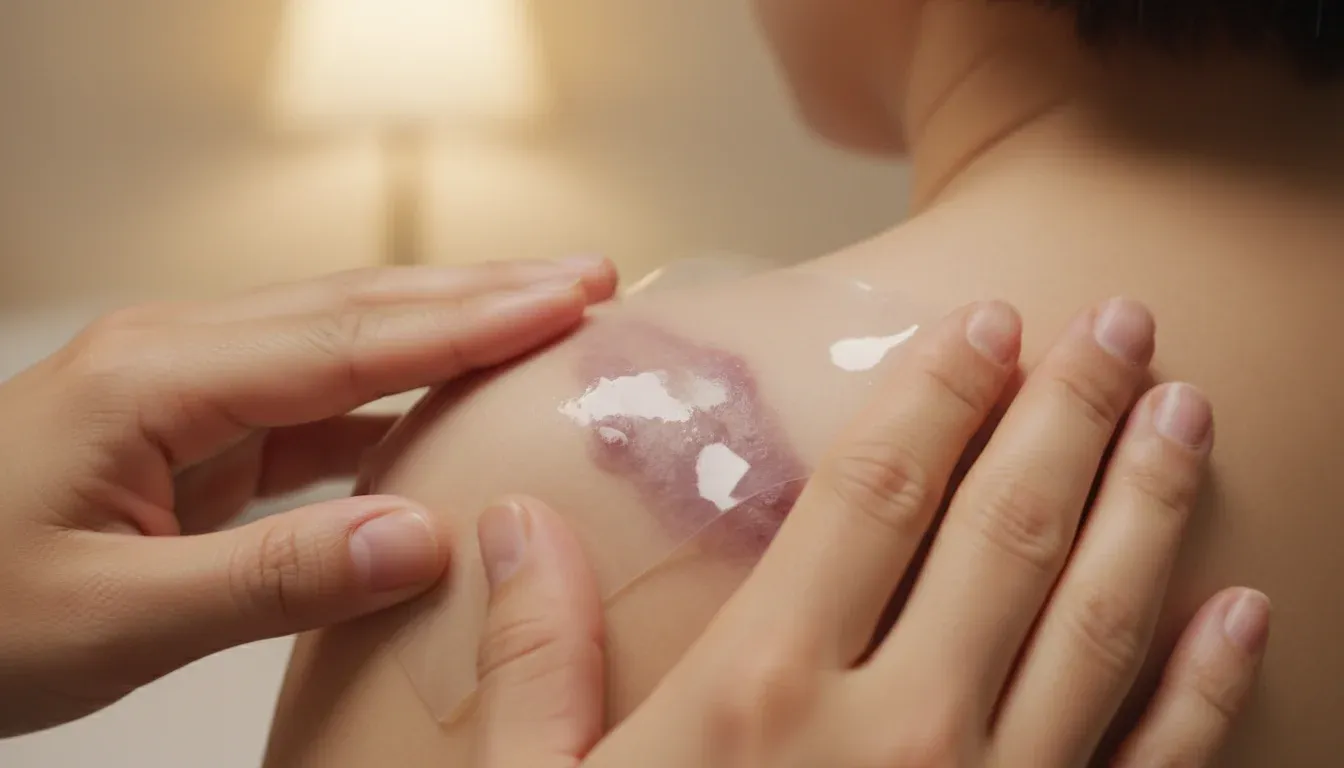
Press-and-stick silicone sheets flatten keloids over time by keeping the scar hydrated and applying gentle pressure. Wear them 12-23 hours daily for at least 2-3 months. They work best on newer keloids (under a year old).
This won’t erase the keloid, but it can shrink it and make it less noticeable. Cheap enough to try first.
2. Pressure Earrings or Compression
If the keloid is on your earlobe from a piercing, special pressure earrings can compress the tissue and prevent further growth. You wear them continuously for months.
Same principle as silicone sheets, different delivery method. Works best when the keloid is still forming.
3. Onion Extract Gel (Mederma)
Over-the-counter scar gels containing onion extract might soften keloid tissue with consistent use. Apply 3-4 times daily for several months.
Evidence is mixed. Some people see improvement, others see nothing. But it’s low-risk if you’ve got patience.
4. Steroid Injections (Dermatologist)
Corticosteroid injections flatten keloids by reducing inflammation and breaking down excess collagen. Requires multiple sessions spaced 4-6 weeks apart.
This actually works. The keloid softens and shrinks, though it rarely disappears completely. Side effects can include skin thinning or lightening at the injection site.
5. Cryotherapy (Dermatologist)
Freezing the keloid with liquid nitrogen destroys excess tissue. Multiple sessions needed. Works better on smaller keloids.
Can cause temporary blistering and color changes. Often combined with steroid injections for better results.
6. Laser Therapy (Dermatologist)
Pulsed-dye lasers reduce redness and flatten keloids by targeting blood vessels. Requires several treatments over months.
Expensive and not always covered by insurance, but effective for visible keloids on the face or chest.
7. Surgical Removal (Dermatologist)
Cutting out the keloid is an option, but there’s a 50-90% chance it’ll grow back even larger unless you follow up with steroid injections or radiation therapy.
Surgery alone is risky. Only consider it paired with preventive treatment.
Skip the Home Remedy Garbage
Apple cider vinegar, tea tree oil, aspirin paste, baking soda scrubs – none of these will do anything to a keloid except irritate your skin. Keloids are dense collagen formations. You need medical intervention, not kitchen ingredients.
If you’re prone to keloids, avoid unnecessary piercings and tattoos. The trauma triggers keloid formation in susceptible people, and once you’ve got one, you’re likely to form more.