Table of Contents
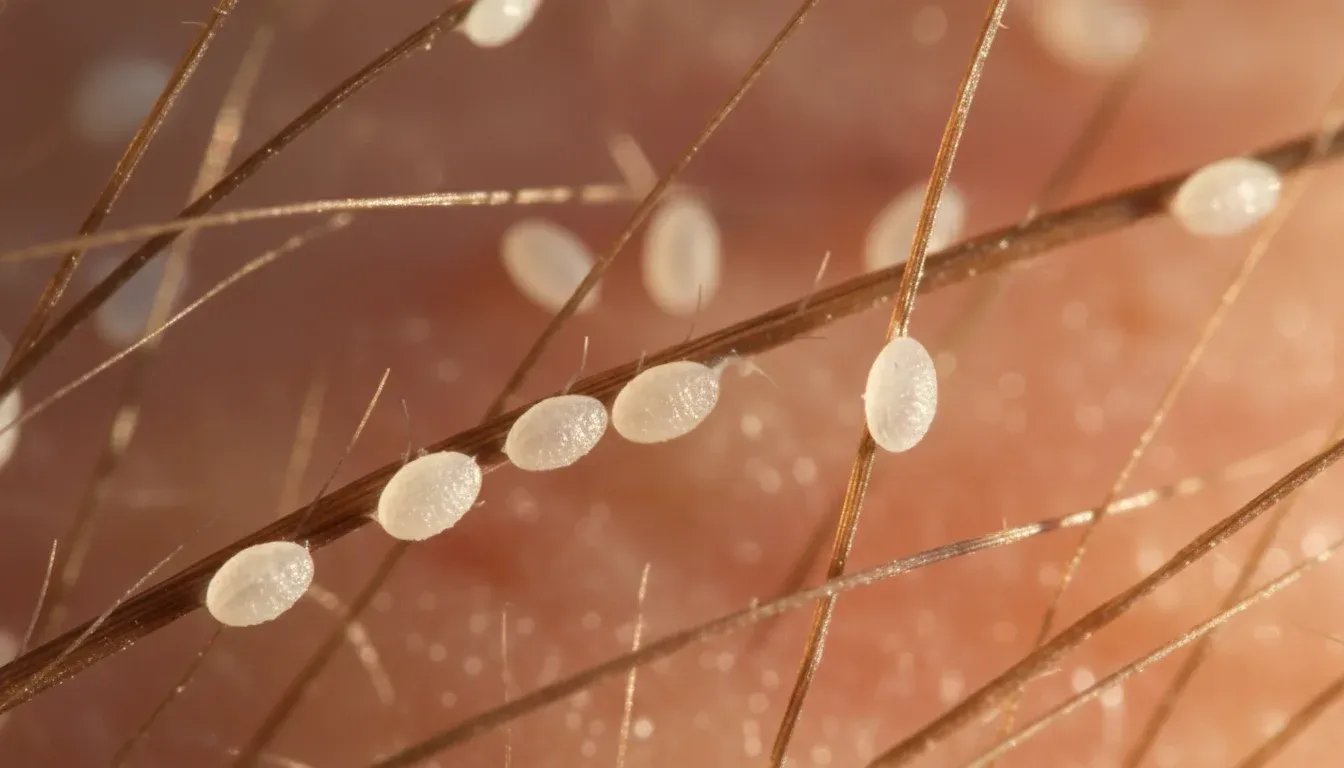
Nits are the eggs that head lice glue to individual hair strands, usually close to the scalp where it’s warm. They’re tiny, oval, and stubbornly attached. Killing adult lice is one thing, but if you don’t get rid of the nits, you’re just hitting pause on the infestation. The eggs hatch in about a week, and suddenly you’re back where you started.
Getting nits out takes patience. You can’t just shampoo and hope. You need a strategy that combines mechanical removal (pulling them off the hair shaft) with treatments that either kill the eggs outright or make them easier to remove. Here’s what actually works.
1. Nit Combing with Fine-Tooth Comb
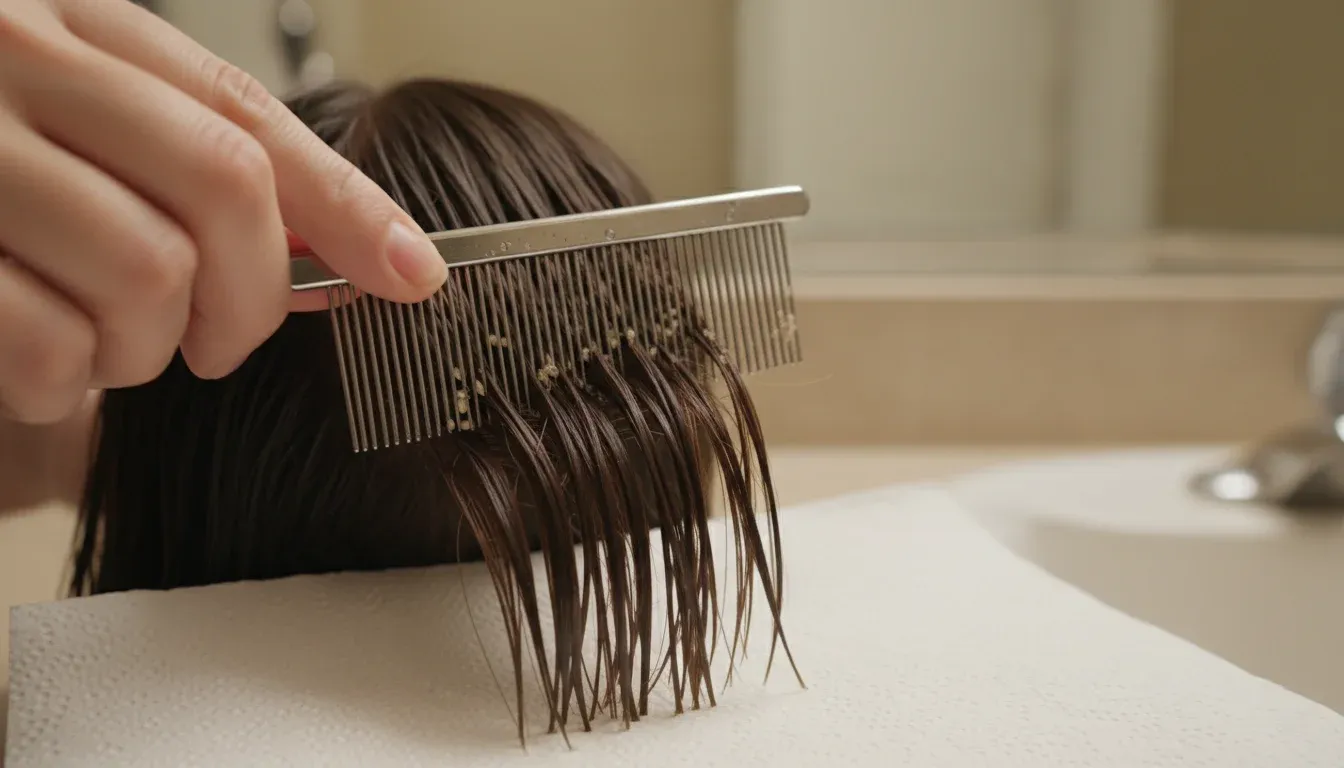
This is the foundation of every nit removal plan. A metal fine-tooth comb designed for lice has teeth spaced tightly enough to catch nits as you pull it through hair. It’s tedious, but nothing removes nits more reliably than physically dragging them off the hair shaft.
Section the hair. Work in small sections under good light. Wipe the comb on a white paper towel after every stroke so you can see what you’re catching. It takes 20-40 minutes depending on hair length and thickness, and you’ll need to repeat every few days for at least two weeks.
2. Wet Combing with Conditioner
Coat the hair in cheap conditioner before combing. The conditioner doesn’t kill nits, but it makes the comb glide through hair more easily and temporarily immobilizes live lice so they’re easier to catch.
Apply enough conditioner to saturate the hair completely. Comb through with the fine-tooth comb, rinsing the comb between strokes. Do this every three to four days for two weeks. It’s a lower-chemical option that works if you’re persistent.
3. OTC Pediculicide Shampoo
Over-the-counter lice shampoos (permethrin or pyrethrin-based) kill live lice and sometimes weaken the glue that holds nits to hair. They don’t reliably kill nits inside the egg, but they make combing more effective afterward.
Follow the package directions exactly. Most require a second application seven to nine days later to catch any lice that hatched from surviving nits. You still need to comb. The shampoo isn’t a substitute for mechanical removal, it’s a supplement.
4. Smothering Treatments
Some people swear by coating the scalp and hair in olive oil, mayonnaise, or petroleum jelly overnight under a shower cap. The theory is that it suffocates lice and loosens nit glue. The evidence is weak, but it’s harmless and might make combing easier.
If you try it, use enough to completely saturate the hair. Leave it on for at least eight hours. Wash it out with dish soap (regular shampoo won’t cut through the oil). Then comb thoroughly. Don’t skip the combing step thinking the smothering did the job. It didn’t.
5. Repeat Treatments Every 2-3 Days
Nits hatch in seven to ten days. Any treatment needs to be repeated consistently for at least two weeks to catch newly hatched lice before they mature and start laying more eggs.
Schedule your combing or treatment sessions like appointments. Mark them on a calendar. If you skip a few days, you’ll miss the window and end up restarting the cycle. Consistency is what breaks the infestation.
6. Hot Air Desiccation Machine
Specialized devices like the AirAllé blow controlled hot air through hair to dehydrate lice and nits. A single 30-minute session kills most lice and a significant percentage of eggs. It’s not available at home, you have to find a lice treatment clinic that offers it.
It’s expensive (usually $150-200), but it’s faster than weeks of combing. If you’ve got multiple kids with thick hair and you’re losing your mind, it’s worth considering.
7. Prescription Ivermectin Lotion
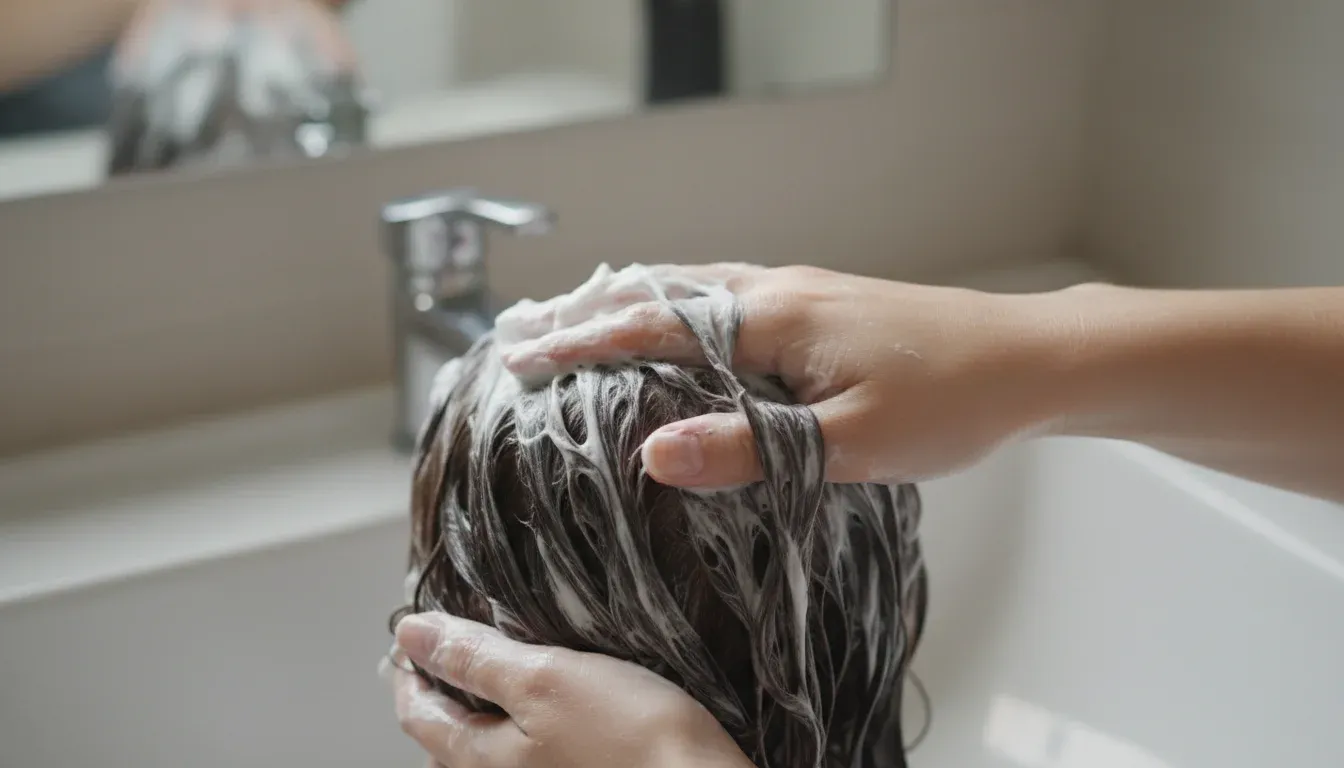
If over-the-counter treatments fail, a doctor can prescribe ivermectin lotion. You apply it to dry hair, leave it on for ten minutes, then rinse. It kills lice and has some effect on nits, though you still need to comb afterward.
It’s a single application for most people, with a possible second dose if needed. It’s stronger than OTC options but requires a prescription and costs more. Save it for resistant cases.
8. Prescription Spinosad Treatment
Spinosad (Natroba) is another prescription treatment that kills both lice and nits. You apply it to dry hair, leave it on for ten minutes, then rinse. One treatment is usually enough, though a second application a week later might be recommended.
It works on lice that have developed resistance to permethrin. It’s effective but expensive (around $200-300 without insurance). Again, you still need to comb. No treatment replaces combing.