Table of Contents
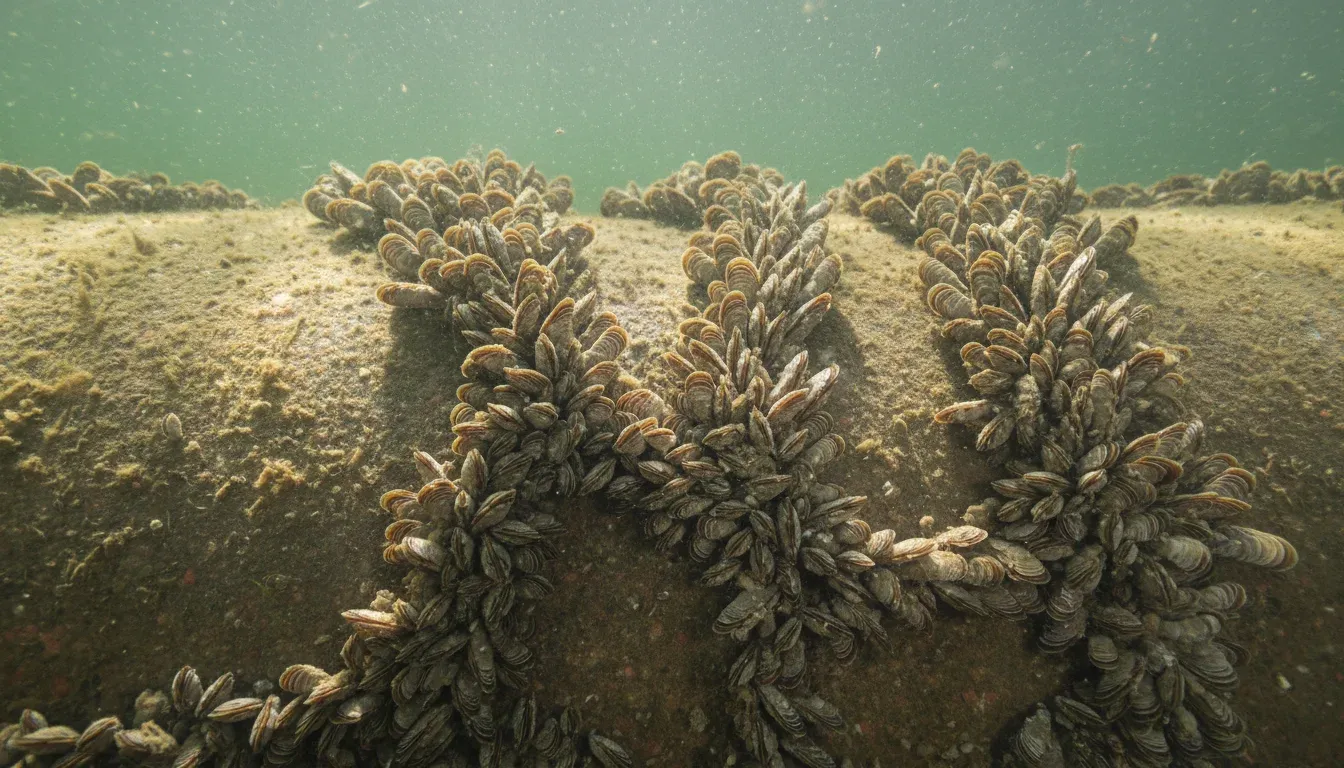
Quagga mussels are wrecking the Snake River ecosystem. They clog water intake pipes, destroy native species, and turn boat hulls into barnacle nightmares. The Snake River Basin has been fighting these invaders since they hitchhiked in from the Great Lakes, and getting rid of them takes serious chemical firepower, physical removal, or preventive action before they establish.
Large-scale control usually means chemical treatment or drawdowns coordinated by water districts. If you manage a section of river, own waterfront property, or operate boats in mussel-infested zones, here’s what actually works.
1. Niclosamide Treatment (Bayluscide)
The EPA-approved molluscicide that kills quagga mussels without nuking everything else. Water agencies apply it directly to infested zones at concentrations between 2-10 mg/L, depending on water temperature and flow rate.
It works by disrupting cellular respiration in mollusks. Fish tolerate it, aquatic plants mostly shrug it off, but mussels die within 24-48 hours. You need a permit and professional applicators for anything beyond small ponds. The stuff isn’t cheap (around $200-400 per gallon of concentrate), and you’ll need multiple treatments in flowing water like the Snake.
Works best when water temps are above 15°C and flow rates are predictable. Don’t bother in spring runoff when dilution makes dosing impossible.
2. Potassium Chloride Applications
Less toxic than niclosamide but still effective for enclosed water systems or slow-moving stretches. Applied as granules (Biobullets) or dissolved potash at concentrations around 100-200 mg/L.
The potassium disrupts mussel osmoregulation (their ability to balance salt and water). Takes 48-72 hours to kill adults. Cheaper than niclosamide per treatment, but you need higher concentrations, which makes it impractical for large river sections.
Best use case: localized infestations around intake pipes, docks, or marina infrastructure where you can control the treatment zone. Not viable for open river management.
3. Copper-Based Molluscicides
EarthtecQZ and Cutrine Ultra are chelated copper formulations that kill mussels by disrupting enzyme function. Old-school copper sulfate works too but has higher environmental risk.
Chelated copper sticks around longer in the water column and targets mussels more precisely than raw copper sulfate. Dosing runs 1-5 mg/L depending on alkalinity and organic content. High-calcium water (which the Snake River is) reduces effectiveness, so you’ll need water quality testing before dosing.
Copper treatments are falling out of favor because they accumulate in sediment and can harm non-target invertebrates. Use this only when niclosamide or potassium options aren’t feasible.
4. Zequanox (Biological Control)
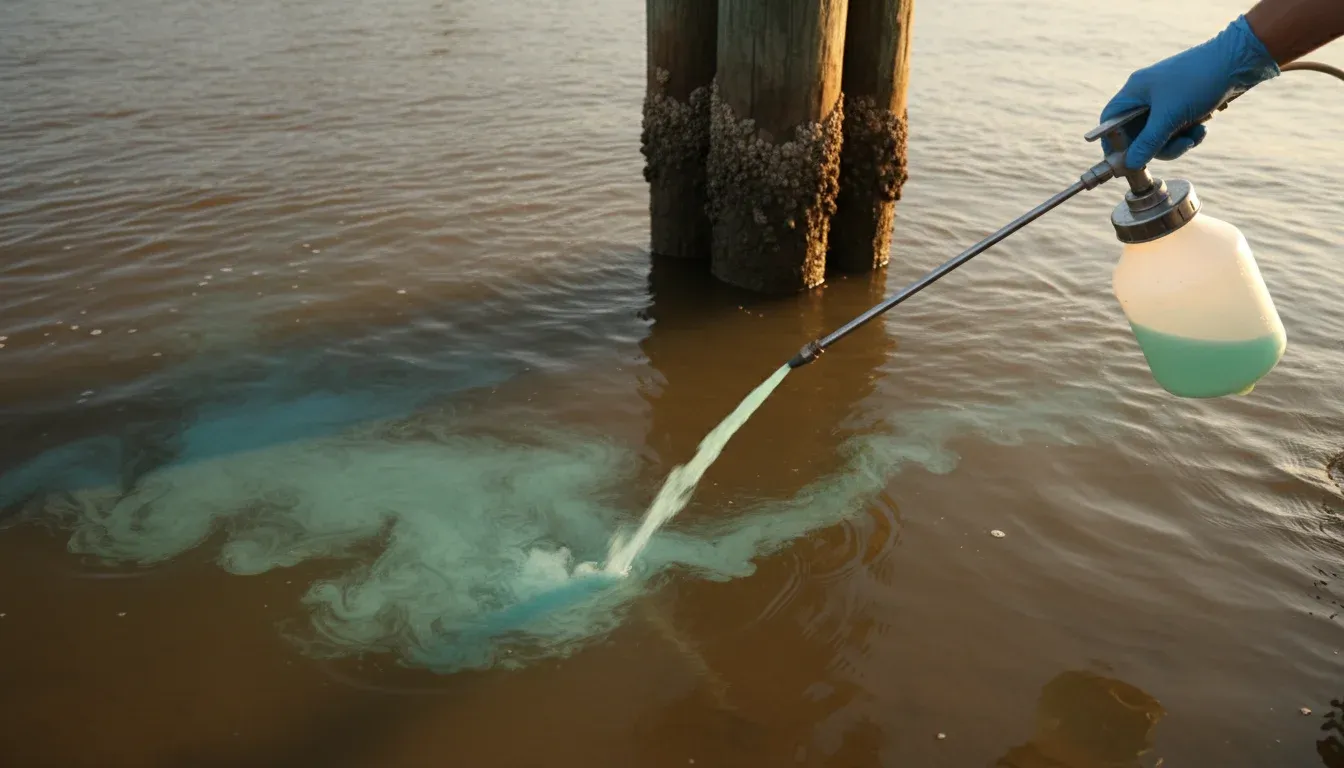
A dead bacterial strain (Pseudomonas fluorescens) that only kills zebra and quagga mussels. It’s basically mussel-specific poison disguised as organic matter.
The bacteria coat the mussel’s filtering system, get ingested, and break down digestive tissue. Death takes 2-10 days depending on dosage and temperature. EPA-approved, low environmental risk, but expensive (around $1,500-3,000 per acre-foot treated).
Snake River applications are rare because flowing water dilutes it too fast. Works better in reservoirs, ponds, or slow eddies where the stuff can linger. If you’re treating a backwater channel or oxbow, this is a solid choice.
5. Water Drawdown Strategy
Drain the reservoir or river section low enough to expose mussel colonies to freezing air (in winter) or desiccation (in summer). Mussels die when exposed to air for more than 24-48 hours in cold weather, or 6-12 hours in hot, dry conditions.
Requires coordination with dam operators and downstream users. The Snake River system has limited drawdown capacity because of irrigation and power generation commitments, but targeted drawdowns in side channels or reservoirs can work.
Winter drawdowns are more effective because freeze-thaw cycles kill veligers (larvae) in sediment too. Summer drawdowns only kill adults on exposed surfaces.
6. Manual Removal and Scraping
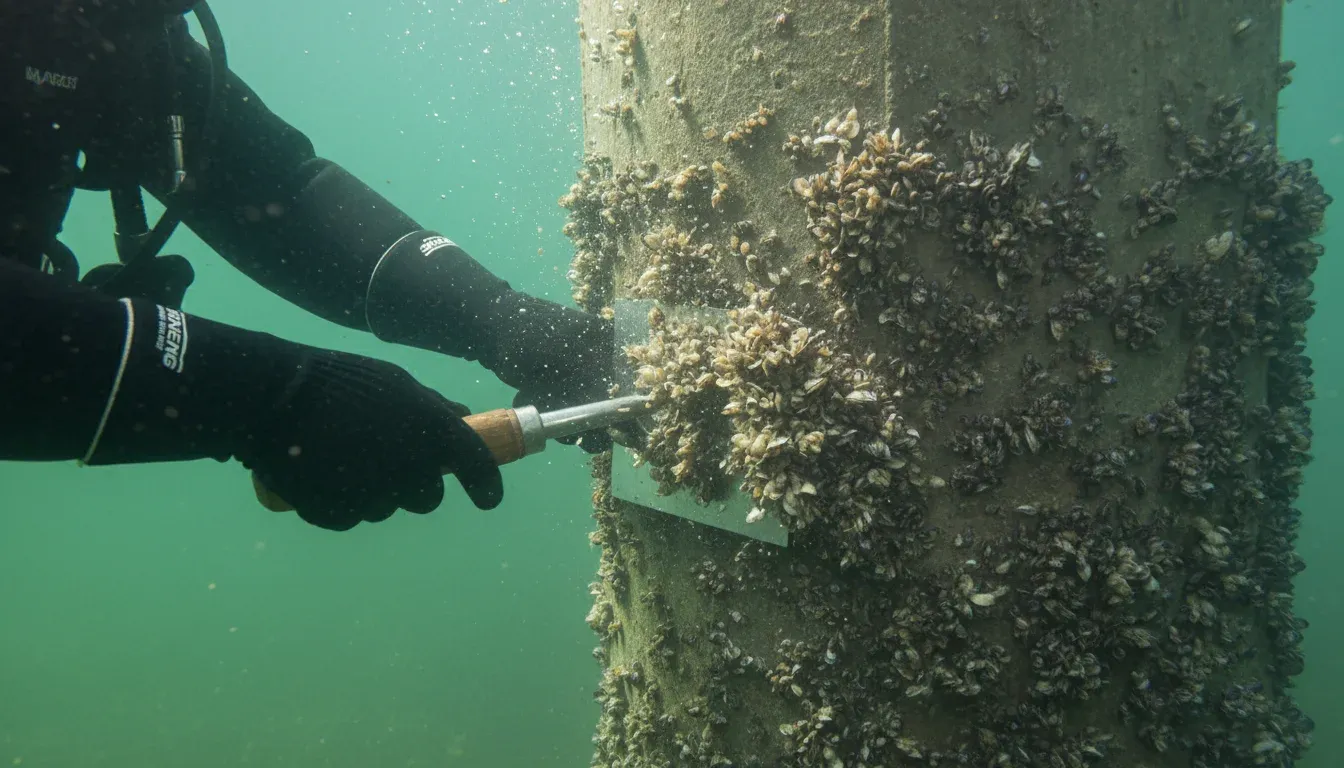
The brute-force method. Divers scrape mussels off structures, or you haul out docks and hulls for power washing. Labor-intensive, never gets them all, but sometimes it’s the only legal option in protected waterways.
Commercial scraping crews charge $50-150 per hour depending on depth and access. You’ll need disposal permits because dumping mussel biomass on shore can spread veligers if they’re still wet.
Only worth it for small-scale problems (your personal dock, a boat launch ramp) or as a supplement to chemical treatment. Don’t bother trying to hand-scrape a river infestation.
7. Benthic Mat Smothering
Weighted tarps or geotextile mats placed over mussel beds to cut off oxygen and food. Takes 30-90 days to kill a colony depending on water temperature and mat type.
Works in shallow, slow-moving water where you can anchor mats securely. Useless in the Snake’s main channel where current will rip them loose. Good for marina basins, irrigation canals, or isolated coves.
Mats cost $2-5 per square foot and you’ll need SCUBA crews to install them properly. After treatment, you still have to remove the dead mussel mass or it’ll foul the bottom.
8. Boat and Equipment Decontamination (Prevention)
Mussels spread on boat hulls, trailers, and fishing gear. Mandatory Clean, Drain, Dry protocols at every launch ramp slow the spread but don’t eliminate established populations.
Hot water spray (140°F for 10 seconds) kills veligers on contact. Dry time of 7-30 days (depending on humidity) also works. Bilge water is the worst offender because veligers survive in it for days.
Idaho and Oregon have inspection stations on the Snake. If you’re launching a boat, budget 15-30 minutes for decontamination or you’ll get turned away (and possibly fined $300-1,000).
9. UV and Ozone Treatment for Intake Pipes
Industrial water users install UV or ozone injection systems upstream of intake pipes to kill veligers before they settle. Won’t affect established adults but prevents new recruitment.
UV doses around 30-50 mJ/cm² kill 99% of veligers. Ozone at 0.5-1.0 mg/L does the same. Both methods are maintenance-heavy (bulb replacement, ozone generator upkeep) and won’t help with mussels already cemented to your infrastructure.
Only worth it if you’re protecting high-value assets like power plant cooling systems or municipal water intakes.
10. Heat Treatment for Closed Systems
Raise water temperature to 60°C (140°F) for 10-15 minutes to kill all life stages. Only practical in closed-loop systems like recirculating canals, fish hatcheries, or industrial cooling ponds.
You can’t heat-treat an open river, but if you manage a bypass canal or irrigation siphon that can be isolated, this works. Portable heaters and boilers are available for rent (around $500-2,000 per day depending on volume).
Kills everything in the water, not just mussels, so only use it when you can repopulate afterward.
Snake River mussel control is expensive, politically complicated, and never a one-and-done solution. Chemical treatments buy you time. Physical removal is temporary. Prevention slows the spread but doesn’t reverse it. The state agencies are doing the heavy lifting with coordinated treatments, but if you own infrastructure in the river, expect to budget for ongoing maintenance or your pipes will clog and your docks will turn into mussel reefs.