Table of Contents
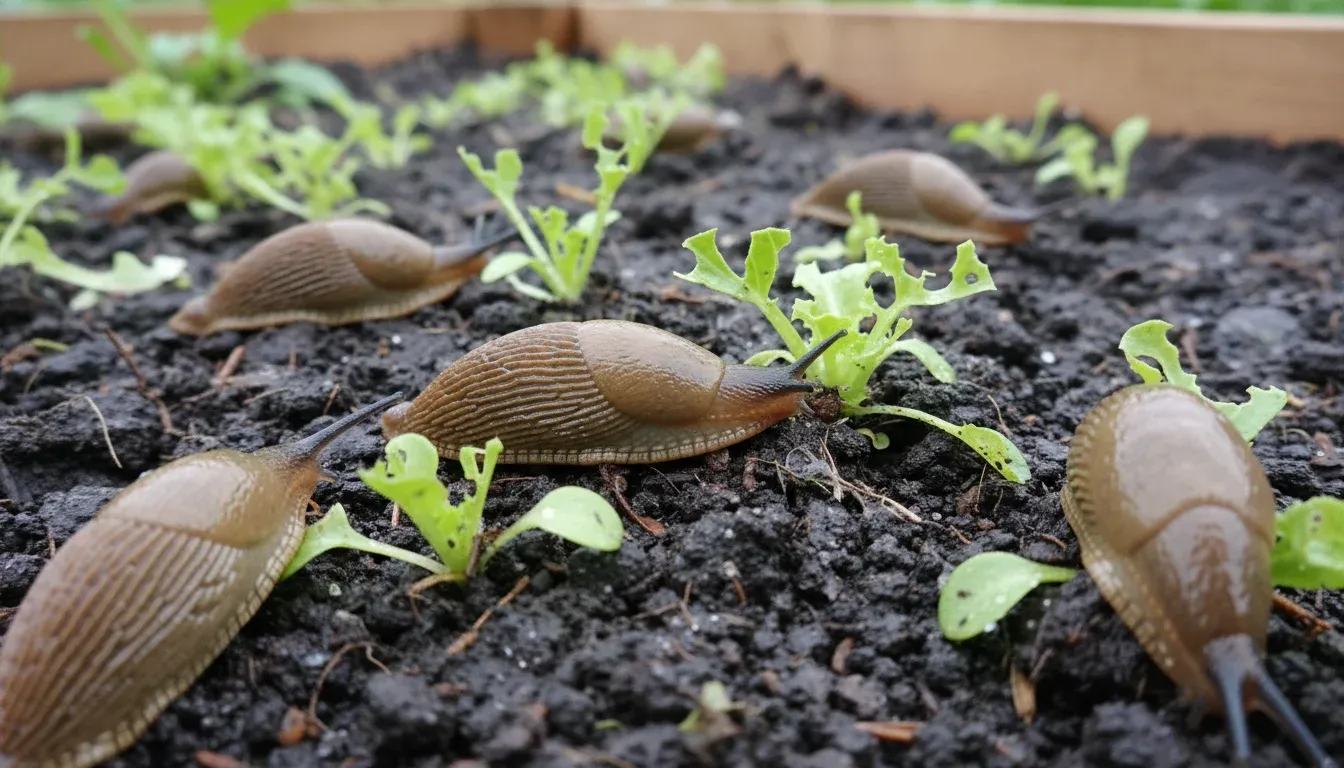
Slugs will wreck your garden overnight. They’re especially brutal on young, tender plants in cool, wet climates. They lay eggs in soil and dark corners, baby slugs hatch out in the evening, and everything you planted gets munched to stumps.
They’ll eat anything green. They’re hermaphrodites, so any two can breed. One slug can lay up to 30 eggs. Get rid of them before that happens.
Most active after rain when the ground’s moist. Pay attention after storms, especially when plants are young.
1. Slug Predators
Frogs and toads will handle some of your slug problem for you.
2. Grow Slug-Resistant Plants
Some plants are naturally slug-proof. Lavender, rosemary, sage, fennel, and most other herbs with strong scents get ignored. Slugs also avoid fuzzy-leaved plants (lamb’s ear, borage), tough ornamental grasses, and anything with leathery leaves like ferns or succulents.
Plant these around your vulnerable stuff as a living barrier. Or accept that hostas and daylilies are slug magnets and grow something else instead.
3. Water Early in Day
Slugs need moisture to move. Water your garden in the morning so the soil surface dries out by evening. Dry ground at night means slugs stay hidden and can’t reach your plants.
Late afternoon or evening watering creates perfect slug conditions all night. Don’t do that.
4. Clean Up Fall Vegetation
Dead leaves, plant debris, and rotting stuff give slugs warm, moist hiding spots to overwinter and lay eggs. Clean up your garden beds in fall. Bag the debris or hot-compost it (cold compost piles are slug hotels).
Skip this and you’re giving next year’s slug population free housing and a breeding ground.
5. Slug Weaknesses
They only come out at night. Take advantage. Remove clutter from the garden (anything not essential for growing). Less junk means fewer hiding spots and less area to patrol.
6. Blocking the Slug
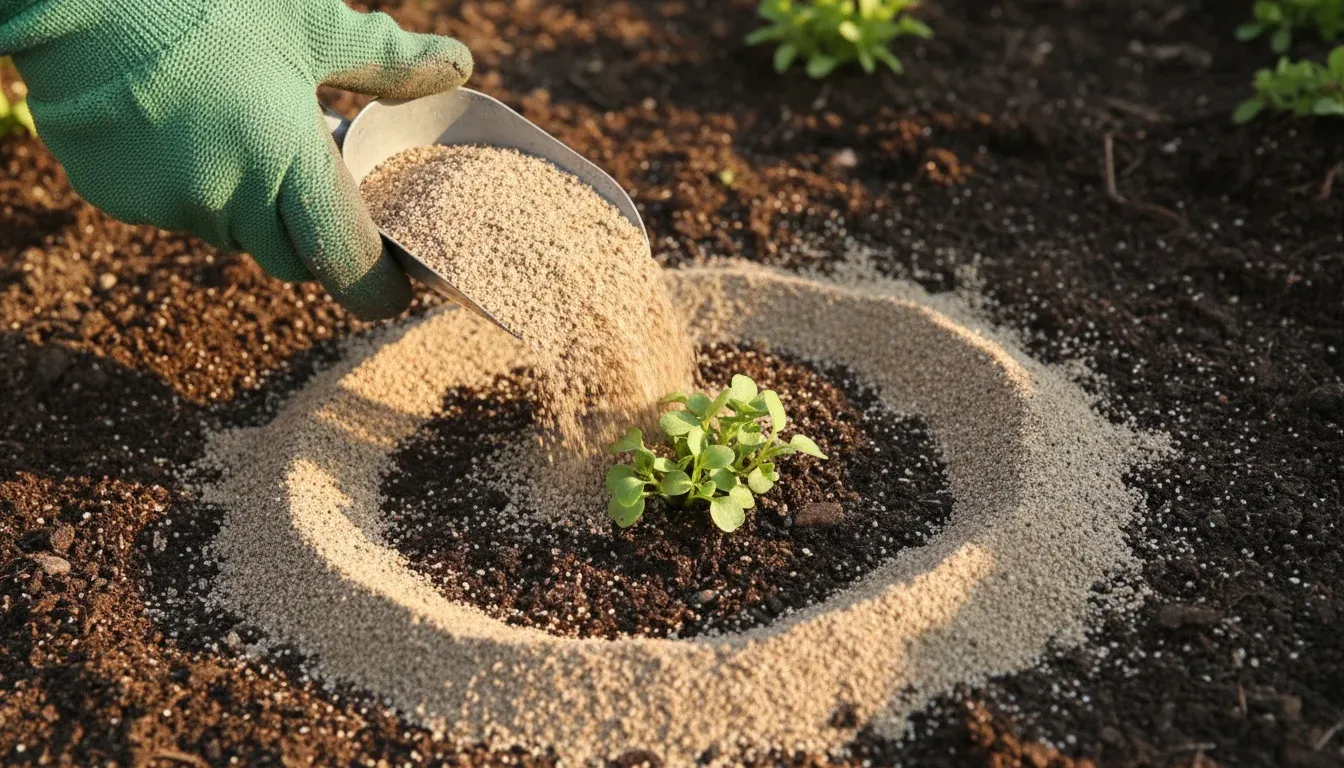
Slugs won’t slide on sand. Make a 2-3 inch barrier of sharp sand or gravel around your plants.
7. Slug Balls
Perlite stops them cold. Add a half inch (1-2 cm) layer above the surface of your substrate as backup.
I tested a slug’s ability to cross perlite. Within a second it was covered in the white volcanic rocks and couldn’t move (looked like a snowball with a slug centre). Their response is defensive: secrete mucous and roll into a ball. Works against some predators. On perlite this sticky goo leaves them stuck. Know your enemy.
8. Diatomaceous Earth
Food-grade diatomaceous earth is fossilized algae ground into microscopic sharp particles. Spread a line of it around plants or garden bed perimeters. When slugs crawl over it, the sharp edges cut through their mucous coating and they dehydrate.
Reapply after rain since it stops working when wet. Wear a mask when spreading it (fine dust irritates lungs). Works on snails too.
9. Copper Tape Barriers
Copper reacts with slug mucous and gives them a mild electric shock. Wrap copper tape around pot rims, raised bed edges, or individual plant stems. They won’t cross it.
Use actual copper tape (from garden centres), not copper-plated stuff. The real thing lasts years. One roll protects dozens of pots.
10. Propagation Dome
Put a propagation dome over your plant while it hardens off (if you’re germinating indoors under lights or on a windowsill). Leave it on until the plant’s strong enough to handle slug attacks. A cloche like this also maintains high humidity and temps, which reduces shock and helps the plant root faster. I use propagation domes that fit snugly on the pot with a vent for gradual hardening off. Remove the dome when leaves hit the top and sides.
11. Cardboard Traps
Wet a piece of cardboard and lay it flat on the soil where slugs are active. Check it every morning. Slugs hide underneath during the day. Lift the cardboard, scrape them off into a bucket of soapy water, and reuse the cardboard.
Free, simple, no chemicals. Works best if you water the area first to attract more slugs overnight.
12. A Slug Trap
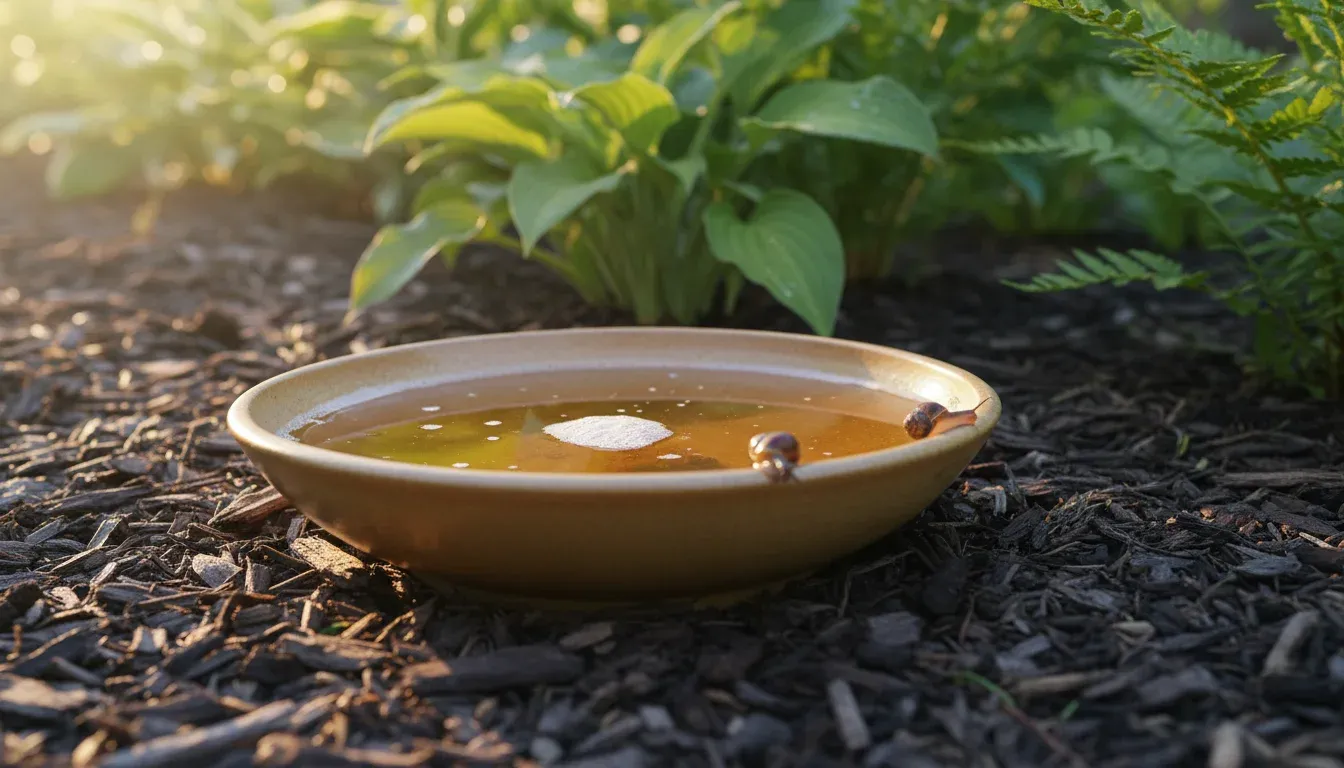
Put a shallow dish of beer where slugs are active. They can’t resist the smell. I use organic but they don’t care. One gulp kills them. They tumble into the dish and drown.
A fitting end for anything bent on destroying your garden. And a reminder about the slippery slope of alcohol abuse.
13. Iron Phosphate Bait
Iron phosphate pellets (sold as Sluggo or similar brands) are the only slug bait safe around pets, kids, and wildlife. Scatter them around affected plants. Slugs eat the pellets, stop feeding immediately, and die within a few days.
Breaks down into fertilizer after use. Reapply every 2-3 weeks during slug season. More effective than beer traps if you’re dealing with heavy infestations.
14. Night Watch
Hang out in your garden at dusk or after dark with a flashlight. Pick them off while they’re eating your plants.