Table of Contents
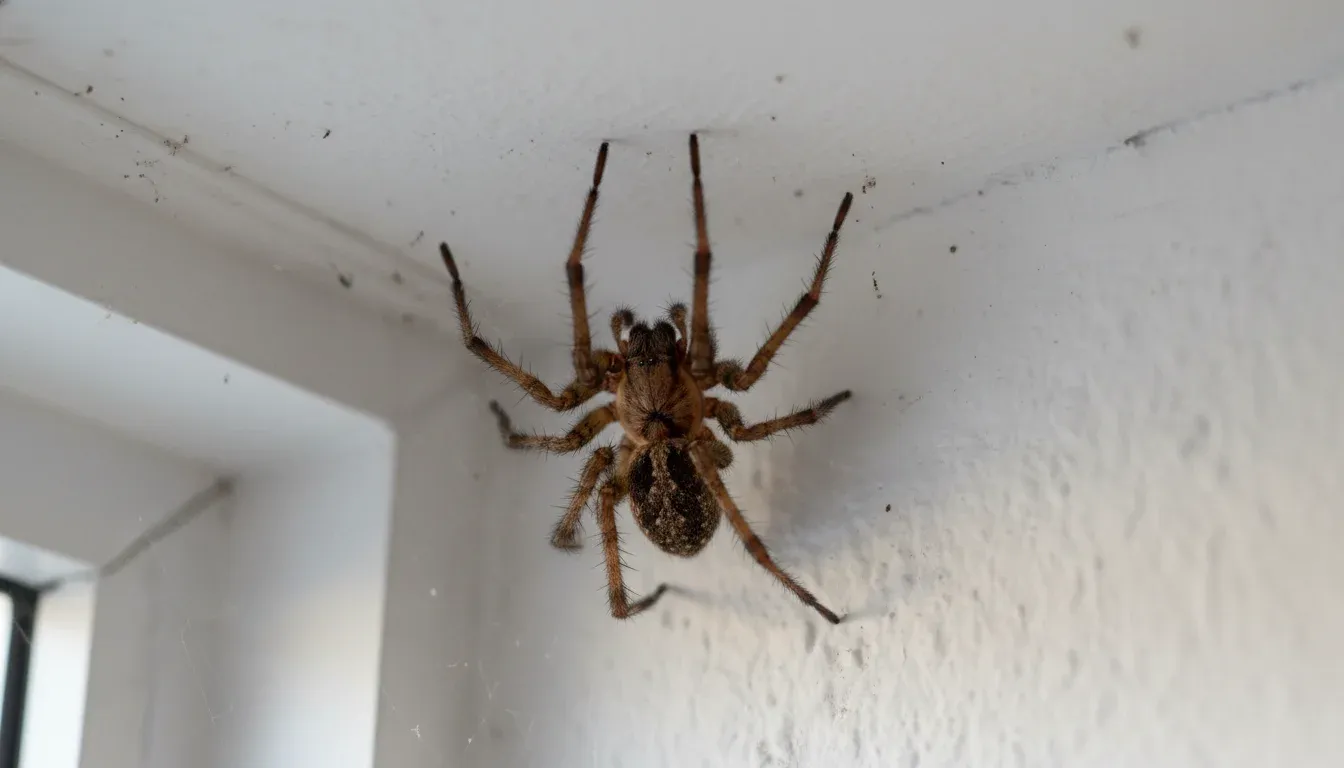
Spiders freak people out. Eight legs, unpredictable movements, the fact that they can drop from the ceiling onto your head. You don’t need a full-blown phobia to want them out of your house. Here’s how to make that happen.
1. If The Shoe Fits….
Most spiders are fragile enough that a napkin does the job. Bigger ones get the shoe treatment. Wipe your sole clean afterward.
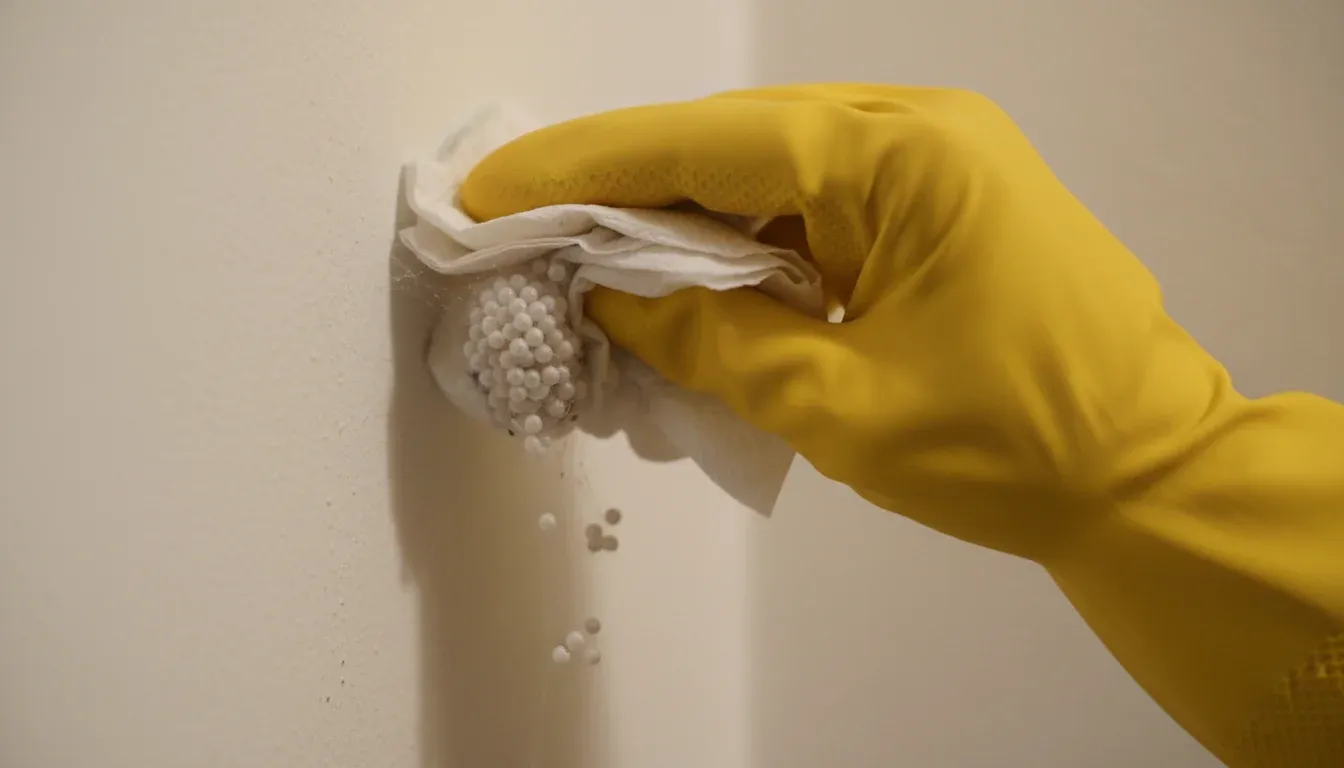
Check room corners for egg sacs (they’re white, clustered balls). Put on rubber gloves, scrape them into a plastic bag with a paper towel, and trash it immediately. Clear out any webs while you’re at it. One spider might be dead but if you leave the eggs, you’ll have fifty more next week.
2. When There’s Light, There Are Spiders
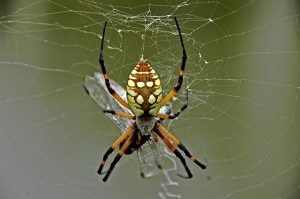 Spiders eat other insects. Porch lights and exterior lights attract moths, flies, and gnats. Spiders show up because you’re serving them a buffet.
Turn off your porch light and any ground lights unless you’re actively using them. If you have motion detection, switch to that mode instead of leaving them on all night.
3. Cut Off The Food Source
Crumbs and poorly sealed food containers attract ants, roaches, and fruit flies. Spiders follow those insects. You’re not feeding the spiders directly, but you’re feeding their prey, which is the same problem with extra steps.
Clean up after meals. Wash your dishes, wipe down counters, sweep up crumbs. Seal food in airtight containers. No food debris means fewer insects means fewer spiders.
4. Clutter-free Is The Way To Be
Dust attracts mites and other tiny insects. Spiders eat those too.
Vacuum weekly. Wipe down furniture, windows, and countertops. Pull stuff out from under beds so spiders can’t hide there. Replace cardboard storage boxes with plastic bins (spiders love nesting in cardboard). Don’t leave piles of clothes, papers, or junk sitting around. Clutter is spider real estate.
5. Seal Cracks And Gaps
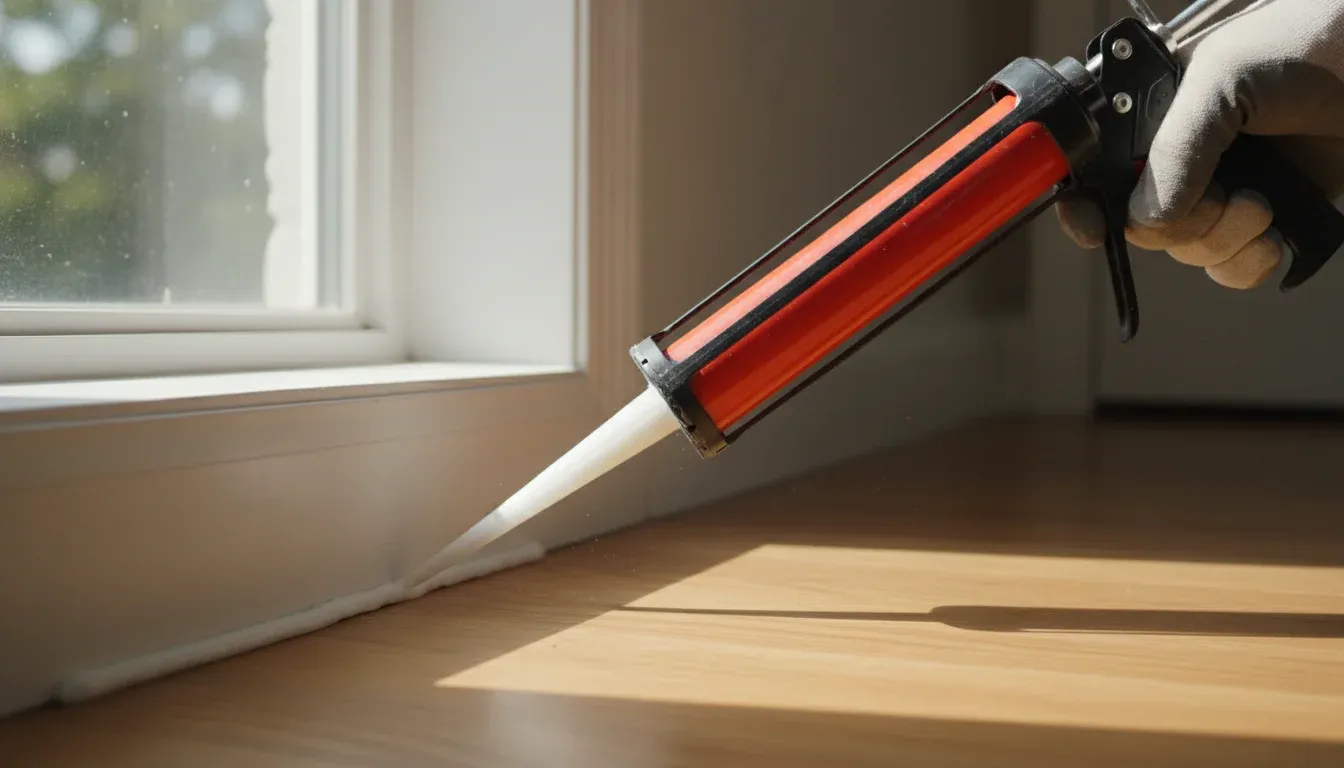
Spiders walk in through the same gaps you thought were too small to matter. Check the foundation, window frames, door frames, and anywhere pipes or wires come through walls. Even a crack the width of a credit card is enough.
Use caulk for stationary gaps (foundation cracks, gaps around windows). Use weatherstripping tape for moving parts (door bottoms, sliding windows). Check basement windows especially because those are usually older and have bigger gaps. Do this once and you stop most spiders before they even get inside.
6. Clear Yard Debris
Wood piles, leaf piles, overgrown shrubs, and junk piled against the house give spiders somewhere to live right next to your entry points. They build webs, lay eggs, and wait for the next time you open a door.
Move firewood at least 20 feet from the house. Rake up leaves. Trim bushes back so they’re not touching the exterior walls. If you have garden tools, old furniture, or random stuff leaning against the house, move it. The more clear space you create between your house and spider habitats, the fewer make the trip inside.
7. Eliminate Standing Water
Spiders don’t drink much but they eat insects that do. Standing water (buckets, clogged gutters, birdbaths, tarps holding rainwater) attracts mosquitoes, flies, and gnats. Spiders follow.
Empty anything holding water. Clean your gutters twice a year minimum. If you have a birdbath, change the water every few days. Fix leaky outdoor faucets. Walk your yard after it rains and dump out whatever collected water. Fewer insects means fewer spiders.
8. Keep Doors And Windows Shut
Open windows and propped-open doors are an invitation. Spiders don’t need much space. If air can get through, they can too.
Install tight-fitting screens on all windows you plan to open. Check for tears and patch them with screen repair tape. Use door sweeps on exterior doors (the rubber strip that seals the gap at the bottom). If you leave windows or doors open for ventilation, make sure the screens are intact. No screen means you’re letting everything in.
9. Use Peppermint Oil Spray
Spiders hate peppermint. Mix 15-20 drops of peppermint essential oil with water in a spray bottle and apply it around entry points, window sills, door frames, and baseboards. The strong smell repels them without harming them.
Reapply every week or two because the scent fades. This won’t kill existing spiders but it discourages new ones from crossing the threshold. For a stronger version, add a few drops of dish soap to help the oil stick to surfaces longer. Other scents that work: tea tree oil, eucalyptus, and lavender.
10. Vacuum Webs and Egg Sacs Regularly
Even if you don’t see the spider, leaving their webs signals that your house is a good place to live. Other spiders will move into abandoned webs. Egg sacs hidden in corners hatch dozens of babies.
Use the hose attachment to suck up webs from ceilings, corners, behind furniture, and window frames. Check the vacuum bag or canister afterward and dispose of it outside immediately if you sucked up egg sacs. Do this weekly in spider season (usually late summer and fall when they’re looking for winter shelter) and monthly the rest of the year.
11. Use Sticky Traps to Monitor Entry Points
Place sticky insect traps along baseboards near doors, windows, and in the garage. These catch spiders as they travel along walls and show you exactly where they’re getting in.
Check the traps weekly. If one location is catching more spiders than others, that’s your priority sealing spot. The traps also catch the insects spiders eat, so you’re hitting two problems at once. Replace traps when they’re full or dusty.