How to Get Rid Of Stink Bugs (15 Ways)

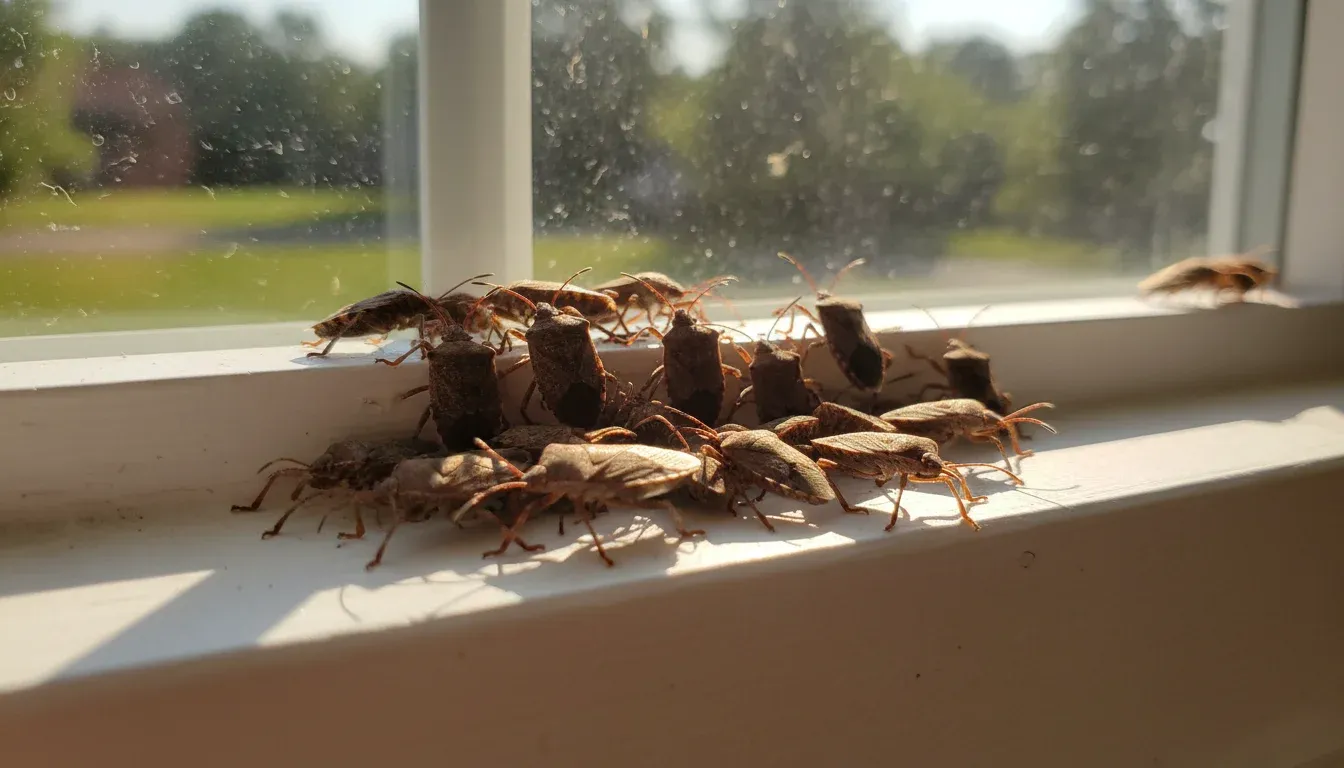
Stink bugs earned their name. When threatened or squashed, they release a smell that’s somewhere between burnt rubber and rotting cilantro. The good news? You don’t need an exterminator to deal with them.

1. Crush Eggs on Leaf Undersides

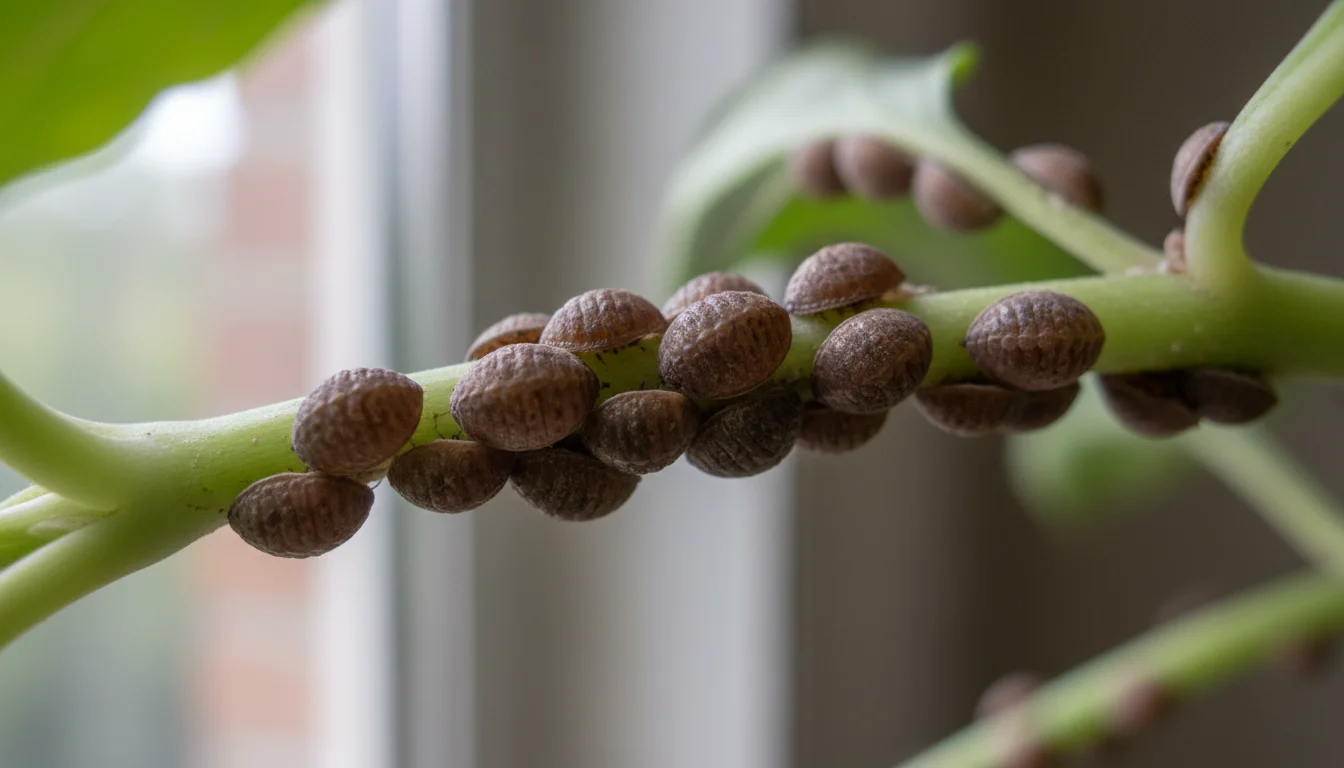
Check the undersides of leaves in your garden weekly during spring and summer. Stink bug eggs appear as light green or white clusters, usually 20-30 eggs arranged in neat rows. They’re laid on tomatoes, beans, peppers, and ornamental plants.

Crush the eggs between your fingers or scrape them off with a butter knife into a container of soapy water. This stops the next generation before it hatches. One female lays multiple egg clusters throughout the season, so consistent checking matters.

Wear gloves if you’re squeamish. The eggs don’t smell and crushing them is easier than dealing with dozens of nymphs later. This method works best combined with regular garden monitoring, not as a one-time fix.

2. Remove Weeds from Garden

Stink bugs feed on weeds before they move to your crops and eventually your house. They particularly love mustard, pigweed, and legume weeds. Clear weeds from garden borders and around your home’s foundation to eliminate their first food source.

A tidy garden perimeter removes their staging ground. They’re less likely to establish populations near your home if there’s nothing to eat. This is preventative maintenance that reduces indoor invasions in fall.

Focus on the 5-meter zone around your house. That’s where stink bugs transition from outdoor feeding to seeking indoor overwintering sites. Pull weeds regularly from late spring through summer.

3. Light Trap with Dish Soap

Fill a shallow pan with water and a squirt of dish soap. Place it under a desk lamp or small light source in a dark room overnight. Stink bugs are attracted to light, especially during fall and winter when they’re looking for warm spots to overwinter. They’ll fly toward the lamp, hit it, and drop into the soapy water below.

The soap breaks the water’s surface tension, so they sink and drown instead of floating. Works best in rooms where you’ve seen clusters of them. You’ll find a pan full of dead bugs by morning.

See also  How to Get Rid Of Bad Dog Breath (3 Ways)

Set this up near windows or in attics where they congregate. One trap can catch dozens in a single night during peak invasion season.

4. Soap Spray Solution

Mix 2 tablespoons of dish soap with 500ml of water in a spray bottle. When you spot a stink bug on a wall or curtain, spray it directly. The soap coats their breathing pores and suffocates them within minutes.

This is your go-to for individual bugs you find during the day. It’s faster than trying to catch and release them, and you don’t trigger the stink defense if you coat them quickly enough. Keep a bottle near windows where they tend to gather.

Use regular dish soap, not the fancy "gentle on hands" stuff. You want something that cuts grease well because it’ll cut through their waxy exoskeleton better.

hand spraying soap solution at stink bug on wall

5. Flush with Tissue

Grab a stink bug with a wad of toilet paper or tissue and flush it immediately. The tissue creates a barrier between your skin and the bug, preventing the smell from transferring to your hands. Speed matters – grab and flush before they release their defense chemicals.

This works for individual bugs spotted on walls or ceilings when you don’t have a spray bottle handy. It’s cleaner than crushing them and doesn’t require setting up traps or buckets. Keep a tissue box in rooms where bugs frequently appear.

The toilet water drowns them before they can escape, and flushing removes them permanently. It’s fast, effective, and uses materials you already have. Some people prefer this to the bucket method for single bugs.

6. Bucket Method with Soapy Water

Keep a bucket of soapy water handy during stink bug season. When you find bugs on walls, ceilings, or curtains, knock them directly into the bucket with a piece of cardboard or a long stick. They drop easily when startled.

This works better than trying to grab them with your bare hands (which triggers the smell) or crushing them (same problem, worse outcome). The soapy water kills them on contact. Dump the bucket outside when you’re done.

You can leave the bucket under known entry points. Some people set up multiple buckets in basements or attics where bugs cluster in fall.

7. Vacuum Removal

Use a shop vac or a vacuum with a bag you can immediately remove and seal. Vacuum up stink bugs you find on walls, around windows, or in corners. The key is removing the bag or canister right away and disposing of it in an outdoor trash bin.

If you leave them in the vacuum, the smell will build up and your vacuum will reek for weeks. Some people dedicate a cheap handheld vacuum just for stink bugs during peak season, then toss the whole thing after.

See also  How to Get Rid of Moths in Home (11 Ways)

This method works well for mass invasions in attics or wall voids. You can clear hundreds of bugs in minutes. Just don’t use your expensive Dyson unless you enjoy the scent of regret.

8. Diatomaceous Earth Barrier

Sprinkle food-grade diatomaceous earth along windowsills, door thresholds, and foundation cracks where stink bugs enter. The microscopic sharp edges cut through their exoskeleton, causing them to dehydrate and die within days.

Apply a thin, visible line – you don’t need thick piles. Reapply after rain or cleaning. It’s non-toxic to humans and pets but lethal to insects with exoskeletons. This creates a physical barrier that lasts weeks if kept dry.

Focus on known entry points rather than treating entire walls. Diatomaceous earth works through contact, not as a repellent, so bugs need to walk through it. It’s most effective as part of a perimeter defense strategy.

vacuuming stink bugs from ceiling corner

9. Botanical Insecticide (Pyganic)

Pyganic contains pyrethrins derived from chrysanthemum flowers. Spray it directly on stink bugs or as a barrier treatment around entry points. It kills on contact by attacking their nervous system, and it breaks down quickly in sunlight, making it safer than synthetic pesticides.

Mix according to label directions and spray in late afternoon when stink bugs are most active. You’ll see results within minutes for direct contact. For perimeter treatment, reapply weekly during peak season.

This is stronger than soap sprays but still organic. Use it when natural methods aren’t cutting it but you’re not ready for synthetic chemicals. Available at garden centers and farm supply stores.

10. Repair Damaged Screens

Check all window and door screens for holes, tears, or gaps along the edges. Stink bugs squeeze through surprisingly small openings. Patch small holes with screen repair tape or replace torn screens entirely.

Inspect the frames too – screens that don’t fit tightly in their frames leave gaps. Add foam weatherstripping to close these spaces. Attic vents and crawl space openings need screening as well, not just windows.

Screen repair is cheap prevention that blocks multiple pest species, not just stink bugs. Do this in late summer before fall migration starts. One small hole can admit dozens of bugs over a season.

11. Seal Entry Points

Stink bugs squeeze through cracks you wouldn’t think possible. They’re looking for warm places to spend winter, and your house is perfect. Caulk around windows, doors, pipes, and any gaps in siding. Add weatherstripping to doors and windows that don’t seal tightly.

See also  How to Get Rid of Aphids (10 Ways)

Pay attention to attic vents and the gaps where utility lines enter your home. These are prime entry routes. Replace damaged window screens and add screen mesh over larger vents.

This won’t help with bugs already inside, but it prevents new waves from joining them. Do this in late summer before the fall invasion starts.

12. Reduce Outdoor Lighting

Stink bugs navigate by light, and your porch lights are basically a "free room and board" sign. Switch to yellow or sodium vapor bulbs, which are less attractive to insects. Better yet, move lights away from entry points.

Instead of lights next to your door, place them on posts several meters away. Bugs will cluster around the light source instead of your doorframe. You can also use motion-sensor lights that only turn on when needed.

This matters most from September through November when stink bugs are actively seeking overwintering sites. Turn off unnecessary outdoor lights during this period.

sealing window gap with caulk to prevent stink bug entry

13. Eliminate Indoor Food Sources

Stink bugs occasionally feed indoors on houseplants and any accessible fruit. Remove or cover fruit bowls during peak invasion months. Check houseplants for feeding damage – yellowed leaves or stippling indicate active feeding.

They’re not primarily indoor feeders, but eliminating food sources makes your home less hospitable. This forces them to venture outside for food, where you can target them with other methods. Combined with entry point sealing, this creates an inhospitable environment.

Clean up spills and crumbs promptly. While stink bugs prefer plant material, they’ll investigate other food sources when desperate. A clean home offers nothing to sustain them through winter.

14. Garlic Spray

Blend 2 cloves of garlic with 500ml of water, strain it, and add to a spray bottle. Spray around window frames, door thresholds, and other entry points. The smell (which humans can tolerate but bugs hate) repels stink bugs without killing them.

Reapply after rain or every few days for best results. This works as a barrier treatment, not a contact killer. It’s most effective when applied before bugs arrive, not after they’re already inside.

Some people add a drop of dish soap to help it stick to surfaces. The garlic scent fades for humans within an hour but lingers for bugs much longer.

15. Neem Oil Spray

Mix 1 tablespoon of neem oil with 1 liter of water and a few drops of dish soap (to help it emulsify). Spray directly on stink bugs or use it as a perimeter treatment around windows and doors.

Neem oil disrupts their feeding and reproduction, though it won’t kill adult bugs instantly. It’s more useful as a deterrent or for treating plants in your garden where stink bugs feed before moving indoors. They’re agricultural pests first, home invaders second.

Buy cold-pressed neem oil, not the heavily processed stuff. It loses effectiveness during processing. You can find it at garden centers or online.

Comments

Leave a Reply

Your email address will not be published. Required fields are marked *