Table of Contents
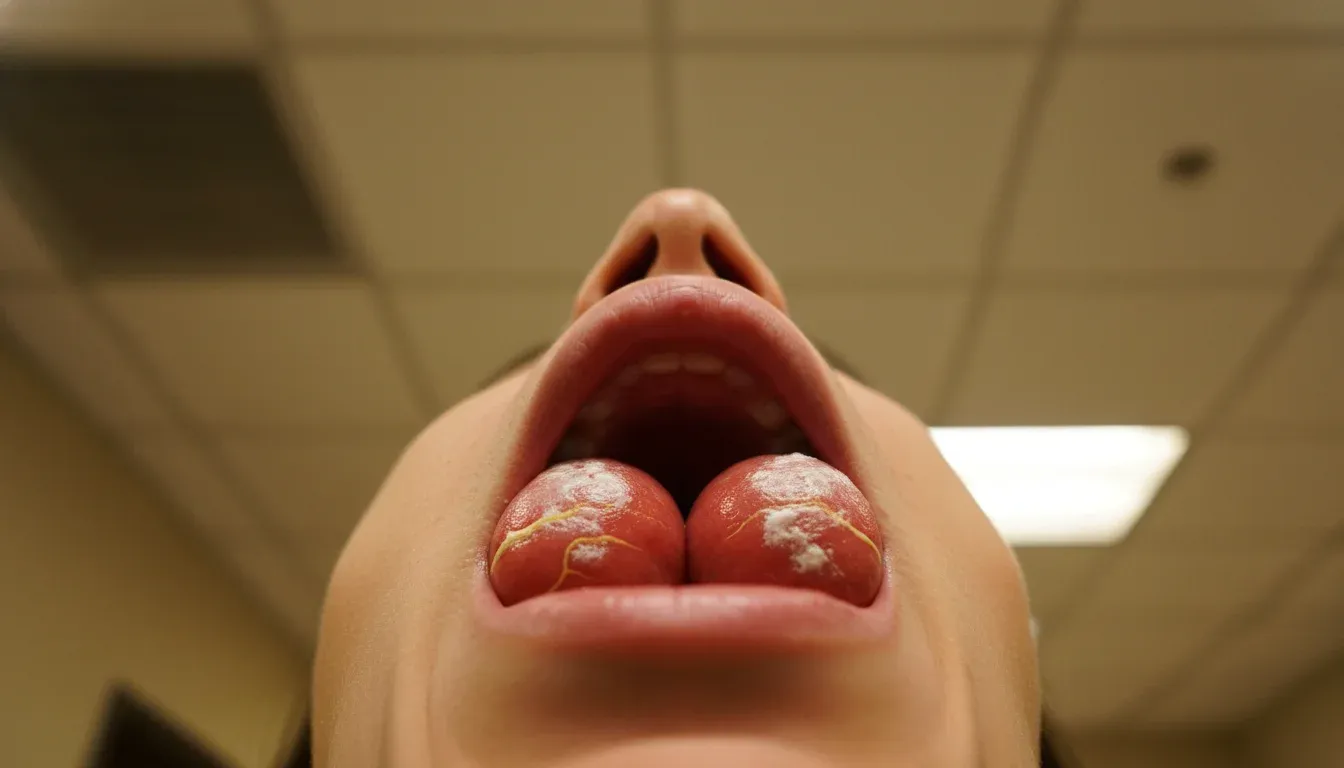
Strep throat is a bacterial infection caused by streptococcal bacteria, and it’s exactly as miserable as it sounds. Your throat feels like sandpaper, swallowing is torture, and your tonsils look like angry red golf balls. The good news: antibiotics knock it out fast. The better news: there’s stuff you can do while those antibiotics work to speed up recovery and stop spreading it to everyone you know.
1. Diagnosis and Prescription
Get to a doctor. Not every sore throat is strep, and taking antibiotics when you don’t need them is pointless (and breeds antibiotic-resistant bacteria, which nobody wants). Your doctor will do a rapid strep test or throat culture. If it’s positive, you’ll walk out with a prescription for antibiotics, usually penicillin or amoxicillin. Take the full course even if you feel better in two days. Stopping early lets the bacteria regroup.
2. Rest
Your body is fighting a bacterial invasion. Let it focus on that instead of dragging yourself to the gym or powering through a workday. Sleep more than usual. Nap if you can. Cancel plans. You’ll recover faster if you actually rest instead of pretending you’re fine.
3. Hydrate, Hydrate, Hydrate
Drink water constantly. 6-8 cups a day minimum. Your throat is already raw and dehydration makes it worse. Hot green tea with honey is a solid alternative because the honey coats your throat and gives temporary relief. Plus warmth feels better than cold when swallowing feels like glass.
4. Vitamin C
Take a vitamin C supplement daily with breakfast. It supports your immune system while it fights off the strep bacteria. One pill, every day, until you’re better. Not a magic cure, but it helps your body do its job more efficiently.
5. Handwashing
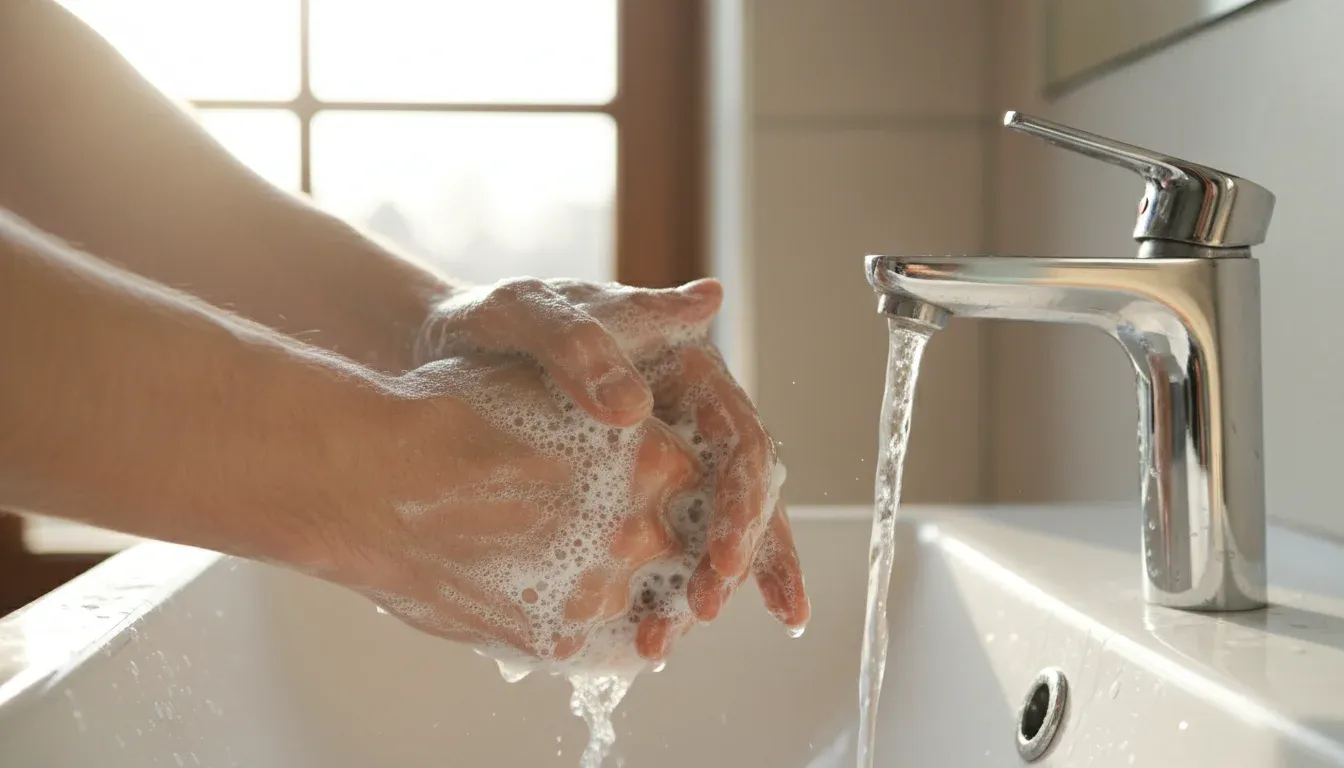
Strep is wildly contagious. Wash your hands with antibacterial soap and warm water after coughing or sneezing. Cough into your elbow or a tissue, not your hands. Throw tissues away immediately and wash your hands after. Without antibiotics, you’re contagious for weeks even after symptoms fade. With antibiotics, you’re no longer contagious after 24 hours.