Table of Contents
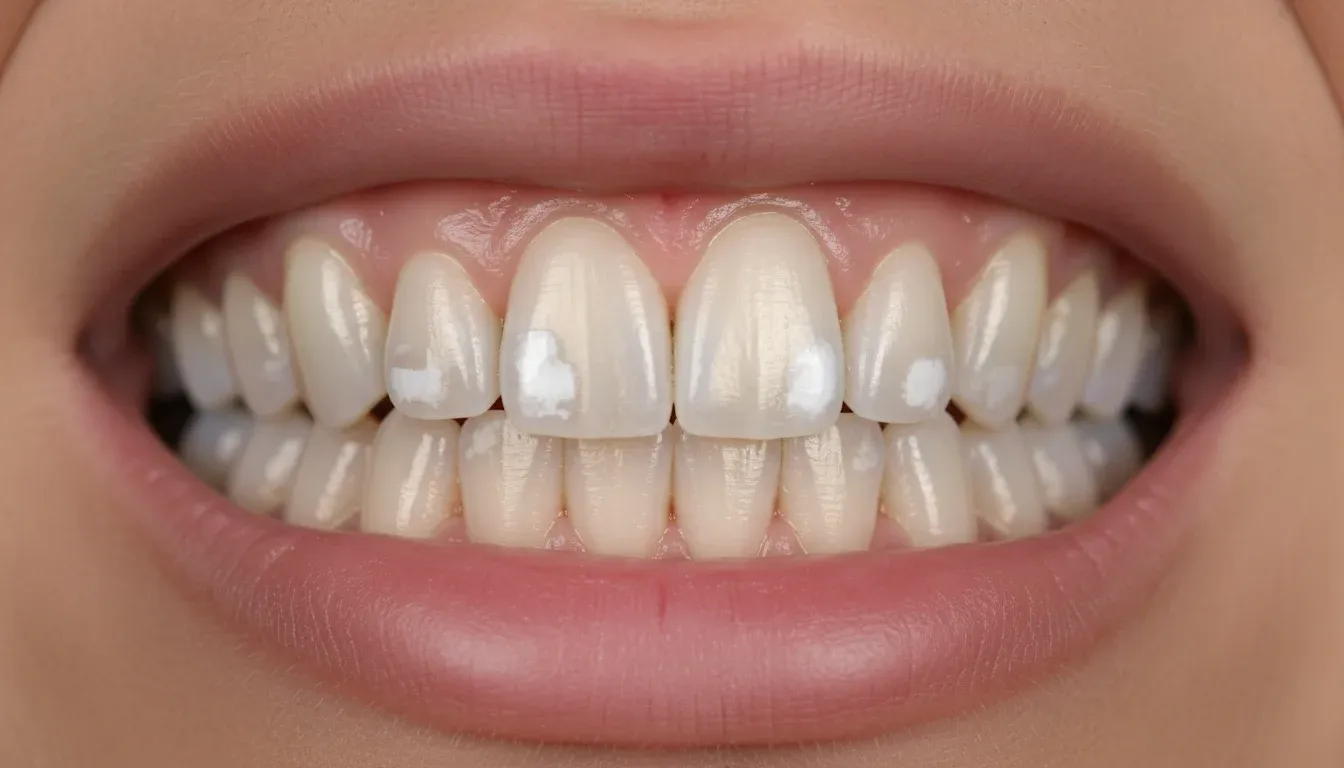
White spots on teeth aren’t just cosmetic. They’re early warning signs that your enamel is breaking down, and if you ignore them, you’re looking at cavities. The spots happen when minerals leach out of the tooth surface, leaving chalky patches that catch the light differently than healthy enamel.
Good news: you can fix them. Some methods work at home, others need a dentist. Here’s what actually works.
1. Consult a Dentist
First step. White spots have multiple causes (fluorosis, early decay, diet issues, braces aftermath), and treating the wrong cause wastes time and money. A dentist can tell you what you’re dealing with and which treatment makes sense.
They’ll also catch spots you can’t see. Early intervention stops decay before it gets expensive.
2. Use Micro-Abrasion
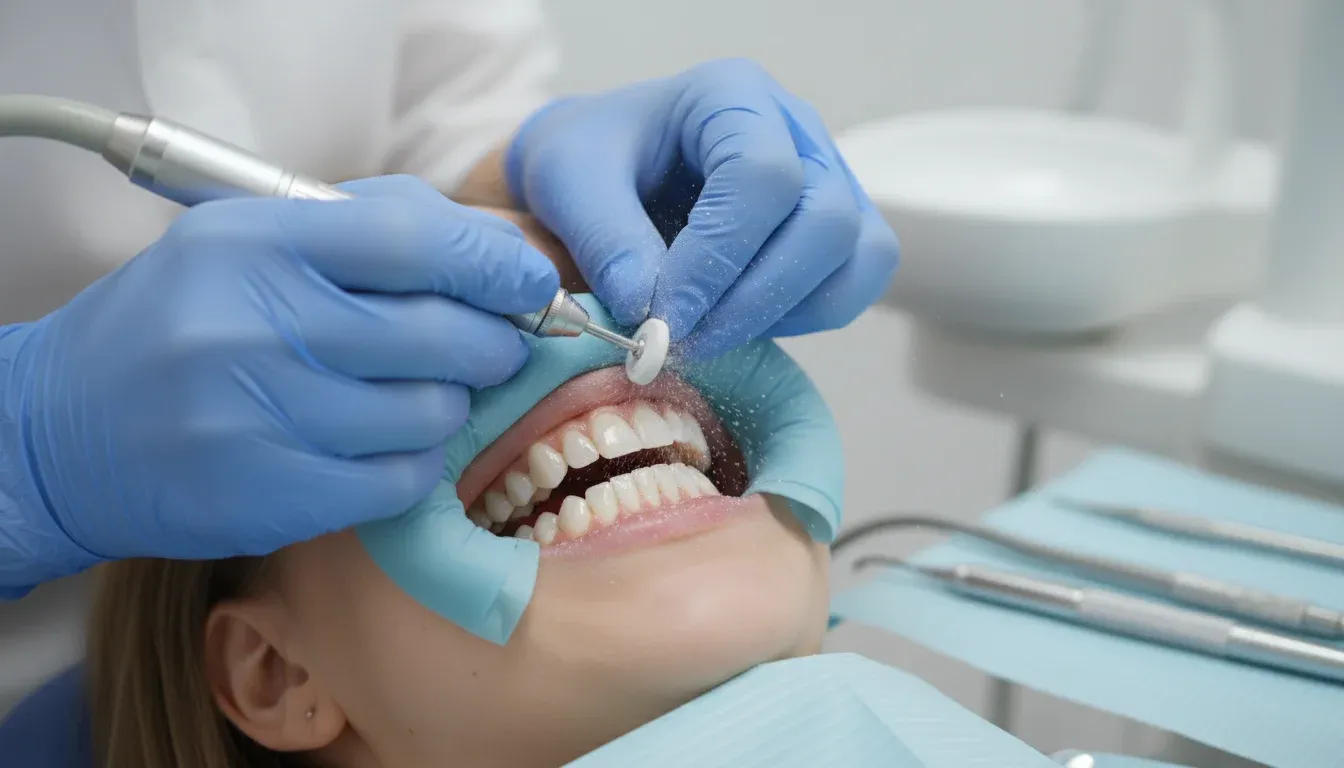
This is the mechanical option. The dentist uses a mildly acidic compound with fine abrasive particles to buff away the outer layer of discolored enamel. It removes the white spot along with a microscopic amount of tooth structure.
Works best for surface-level spots from fluorosis or early demineralization. One or two sessions usually does it. Can’t fix deeper structural issues.
3. Use Bleaching
Professional whitening can blend white spots into the surrounding tooth color by lightening everything to match. The spots don’t disappear, but they stop standing out.
This is a gamble. Sometimes bleaching makes spots more obvious because they don’t absorb the whitening agent the same way healthy enamel does. Ask your dentist to test a small area first.
4. Apply White Filling or Porcelain Veneer
When other methods fail or the spots are too deep, you cover them. White composite filling works for small spots. Porcelain veneers cover the entire front surface and fix everything (shape, color, texture) at once.
Veneers are permanent. You’re filing down your natural tooth to make room, so there’s no going back. Only consider this for severe cosmetic issues.
5. Use Remineralization
This rebuilds lost minerals in the enamel. Prescription fluoride treatments, remineralizing toothpastes with calcium phosphate, and casein phosphopeptide products can slowly fill in the microscopic holes that create white spots.
Takes weeks or months to see results. Works best on early-stage spots that haven’t progressed to cavities yet. Cheaper than in-office procedures but requires consistency.
6. Improve Brushing and Flossing
If poor oral hygiene caused the white spots (plaque buildup around braces is a common culprit), fixing your habits stops new spots from forming. Some existing spots fade over time as saliva naturally remineralizes the enamel, but don’t count on it for anything more than mild improvement.
Brush twice daily, floss once, use fluoride toothpaste. This prevents the problem from getting worse while other treatments work.