Table of Contents
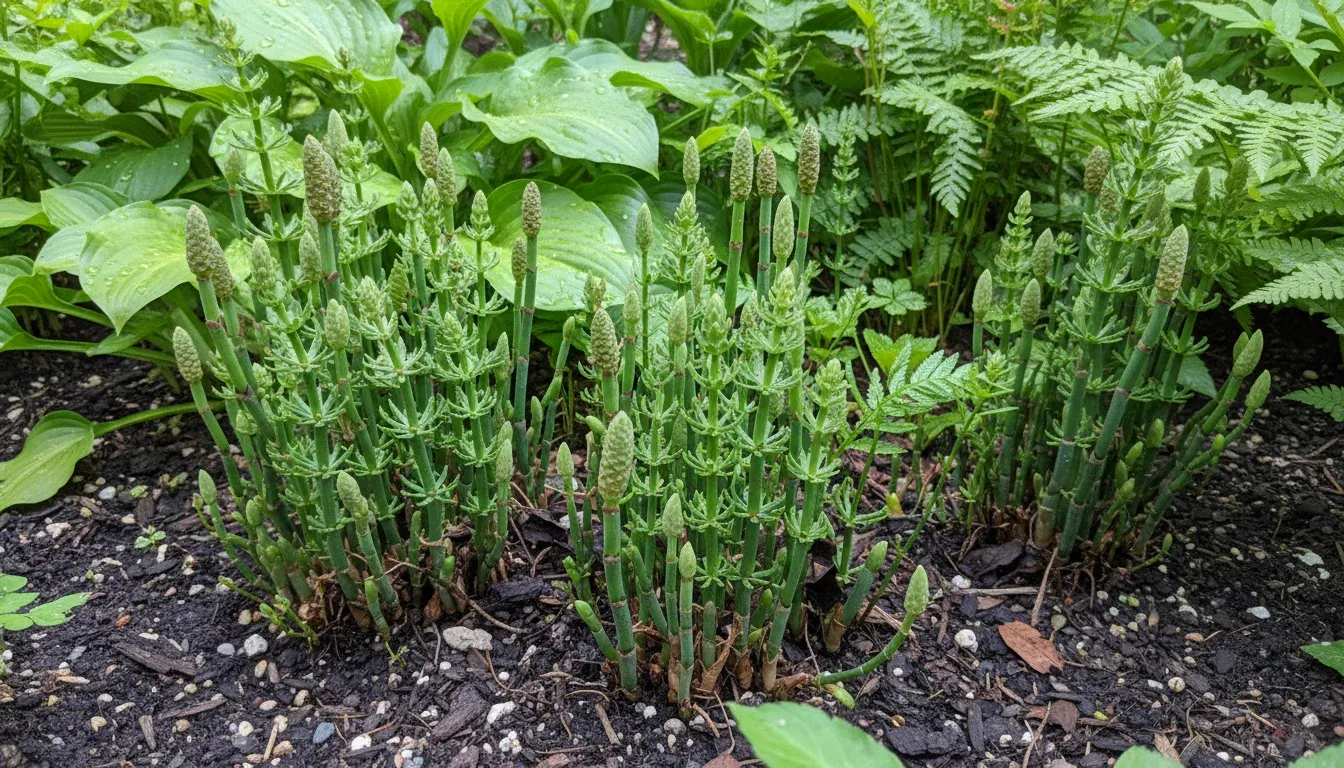
Horsetail weed (Equisetum arvense) has rhizomes that tunnel down 2 meters and spread horizontally faster than most gardeners can keep up with. The stems snap when you pull them, leaving the root system intact to send up more shoots within days. It thrives in compacted, waterlogged soil – exactly the conditions most neglected garden corners provide.
You can’t kill it with one method. But you can exhaust it with the right combination of tactics applied consistently over a growing season. Here’s what actually works.
1. Pull New Shoots Weekly
Grab shoots at the base and twist while pulling. You won’t get the rhizomes, but you’ll starve them by removing their above-ground photosynthesis factory. Set a phone reminder for every Sunday morning through spring and summer. Miss two weeks and you’re back to square one.
2. Use a Weed Burner on Emerging Growth
Flame weeders char horsetail stems before they’re tall enough to photosynthesize efficiently. Pass the flame over each shoot for 2-3 seconds until it wilts. Do this weekly in April and May when new growth is most vulnerable. The rhizomes will keep sending up replacements, but each one costs them stored energy.
3. Dig Out Large Clumps in Dry Soil
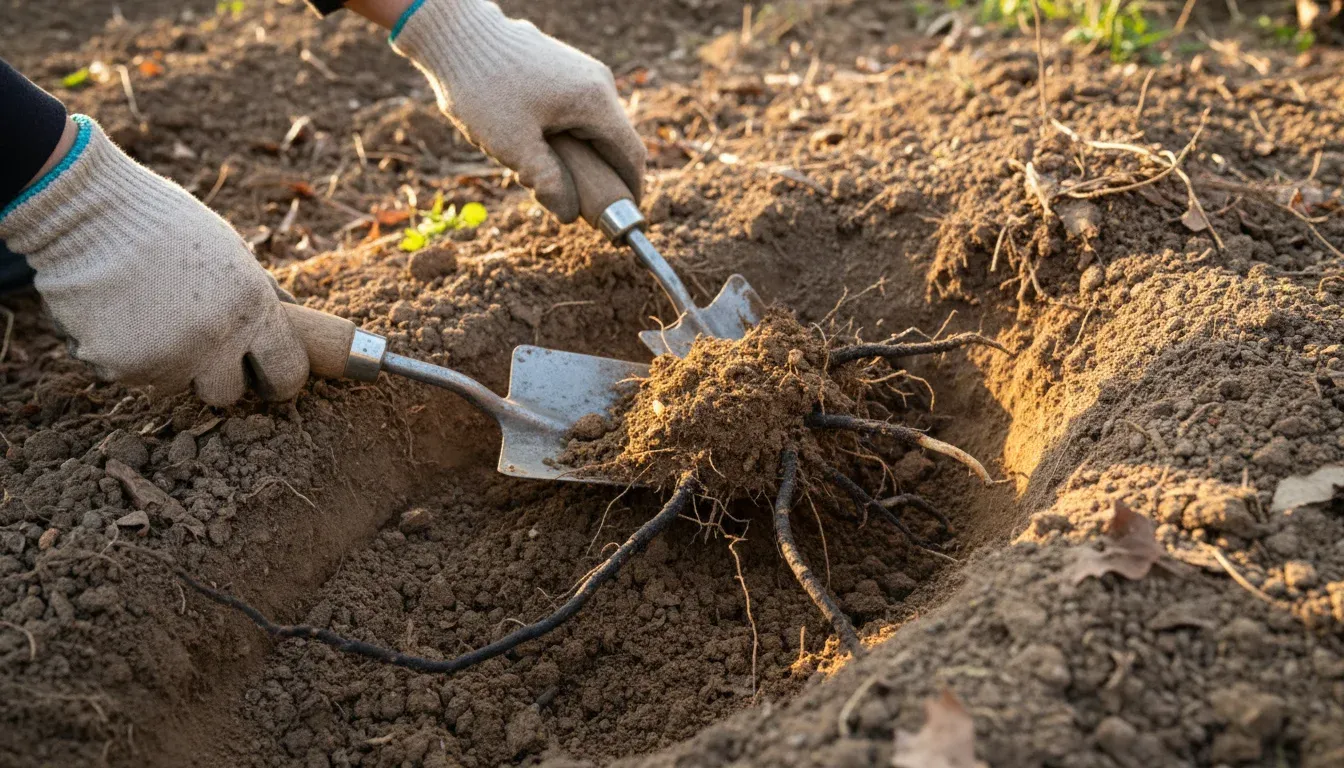
Wait for a two-week dry spell when soil is friable, not waterlogged. Dig a trench 40cm deep around the perimeter of the clump. Remove soil in sections, shaking off loose dirt and picking out every piece of brown rhizome you can see. One missed fragment will resprout. Bag all plant material – don’t compost it.
4. Mow Lawn Areas Every 5 Days
Horsetail hates being cut before it can photosynthesize. Set your mower to 5cm and run it twice a week through May and June. The constant decapitation depletes rhizome reserves faster than they can rebuild. Works best combined with improved drainage so the soil doesn’t compact further.
5. Apply Glyphosate to Bruised Foliage
Horsetail’s waxy coating repels herbicide unless you break the surface first. Walk over dense patches or beat them with a stick to crush the stems. Immediately spray with glyphosate mixed to label strength. Do this in late summer when the plant is pulling nutrients down into rhizomes for winter – the herbicide follows the same path. You’ll need three applications, 10 days apart.
6. Cover with Weed-Resistant Matting and 15cm of Mulch
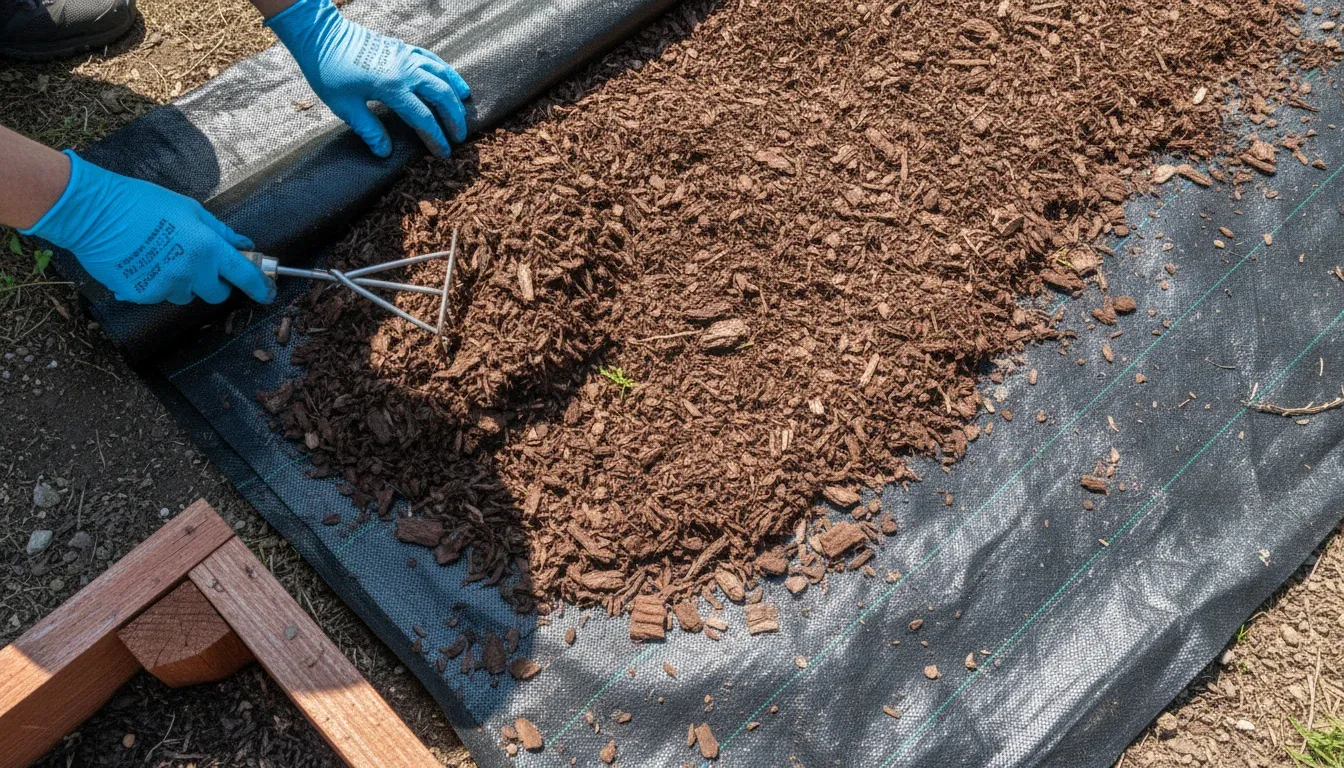
Landscape fabric alone won’t stop horsetail – the shoots punch through. Layer fabric, then bark mulch at least 15cm deep. Check monthly and pull any shoots that break through before they can photosynthesize. Leave this in place for 18 months minimum. The rhizomes will eventually deplete their energy reserves in the dark.
7. Cut All Stems in Spring to Prevent Spore Spread
Horsetail releases spores from cone-like structures at stem tips in April. Cut every stem you can reach before those cones open. This won’t kill the plant, but it stops it spreading to new areas of your garden via spores. The rhizomes spread horizontally on their own – you don’t need spores making the problem worse.
8. Improve Soil Drainage to Weaken Growth
Horsetail thrives in compacted, anaerobic soil that most other plants hate. Mix sharp sand and compost into the top 30cm of affected areas. Install drainage channels if water pools after rain. Better-drained soil won’t kill horsetail, but it allows competitive plants (grass, ground covers) to establish and crowd it out over time.
9. Solarize Soil During Summer Months
Clear the area completely and water the soil until saturated. Cover with clear plastic sheeting, weighted at the edges with soil or bricks. Leave in place for 8 weeks during June, July, and August. Soil temperatures under the plastic will reach 50°C, cooking rhizomes in the top 15cm. This works best combined with shallow digging afterward to expose deeper rhizomes to the next round of heat treatment.
You won’t eliminate horsetail in one season, but twelve months of weekly shoot removal combined with one or two of the aggressive methods (mulch barrier, solarization, herbicide) will reduce it from a takeover to scattered survivors you can manage with a Sunday morning hand-pull. The key is consistency. Stop for a month and you’ve given the rhizomes time to rebuild their reserves.